Marco, Victoria’s Pomeranian, and the Year 1888
Queen Victoria and her Pomeranian named Marco transformed the breed in 1888 from working farm dogs into royal companions.
Is this the right one for you?
Origins and temperament, size and coat, what living with one is actually like, and how it compares to the breeds people weigh against it.
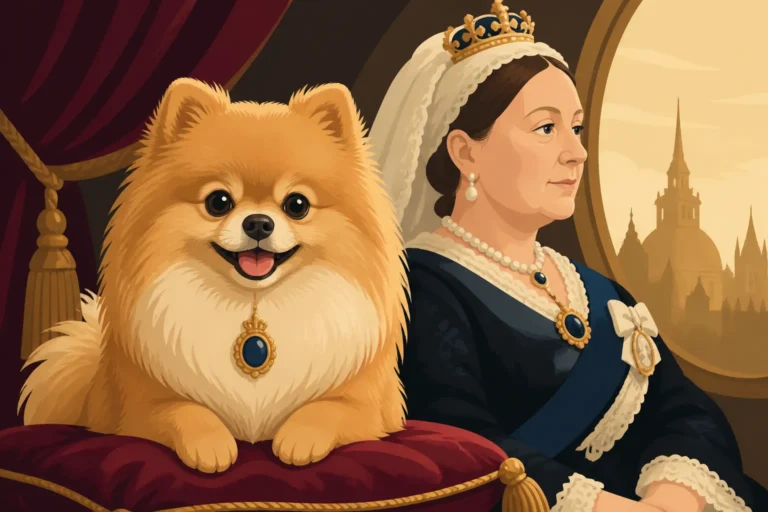
Queen Victoria and her Pomeranian named Marco transformed the breed in 1888 from working farm dogs into royal companions.
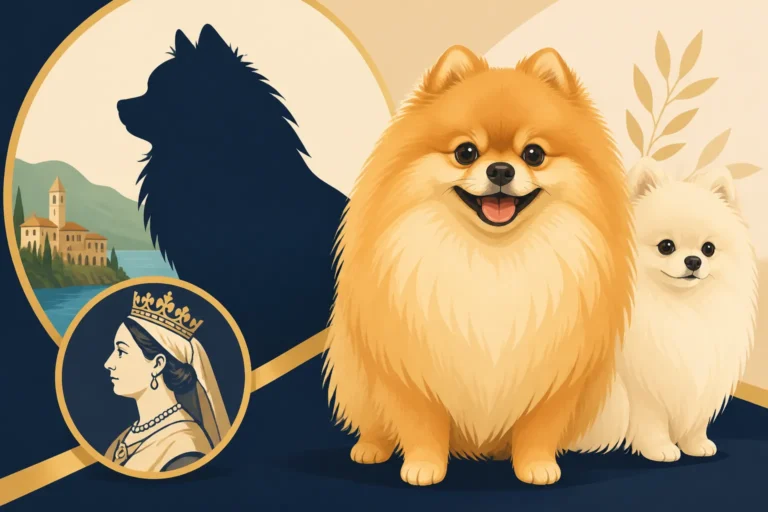
Queen Victoria and the Italian Spitz shaped the history of Pomeranians, changing the larger working dogs into tiny pets.

The relationship between Pomeranian and Keeshond dogs involves shared ancestry, distinct German Spitz family origins, and different sizes.

The Zwergspitz and Pomeranian relationship is explained through the German Spitz family tree and size classifications.
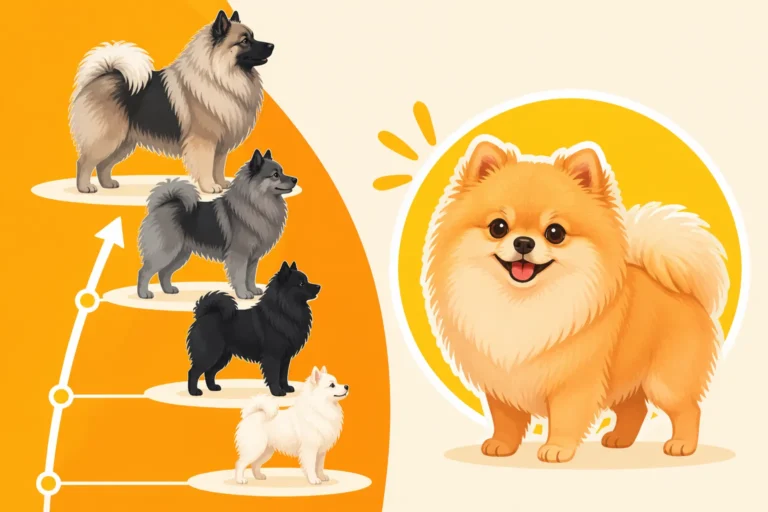
The German Spitz family includes five distinct size varieties, ranging from the Pomeranian up to the Wolfspitz.
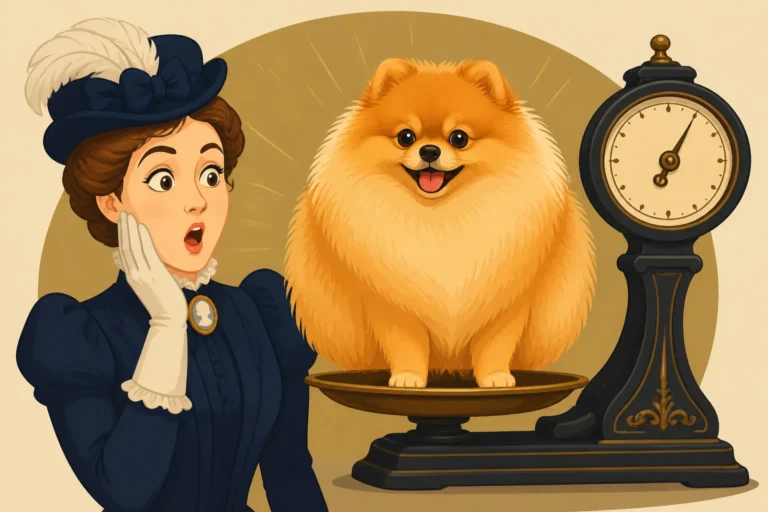
The history of the Pomeranian explains how these twenty five pound 1800s working dogs transformed into modern pets.

Pomeranian history reveals how twenty to thirty pound Spitz ancestors worked as farm watchdogs rather than herding sheep.

Pomeranian ancestry traces back through ancient Arctic sled dogs and the German Spitz family to explain the history of the breed.
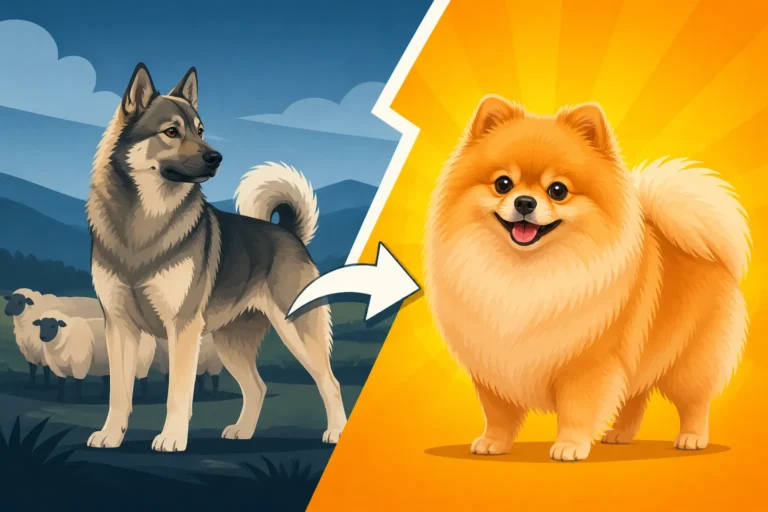
The Pomeranian descends from sturdy Arctic Spitz dogs originating in Northern Europe, Siberia, and North America.
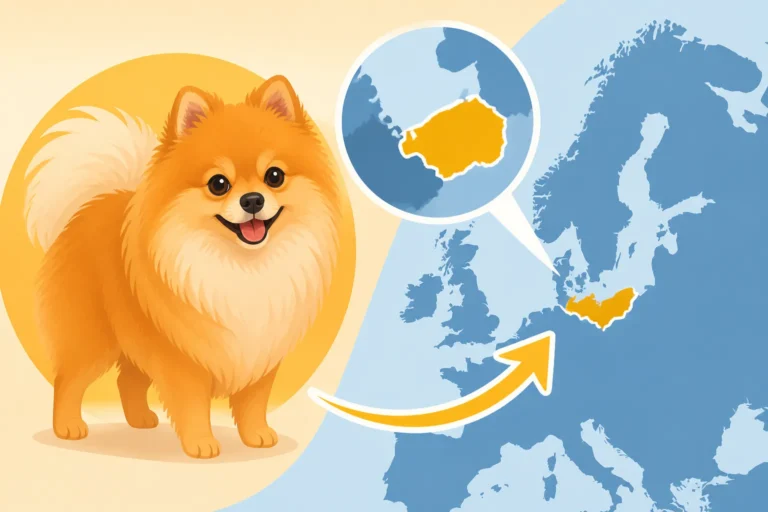
Pomeranian dogs descend from larger working Spitz dogs weighing twenty to thirty pounds from a historic region along the Baltic Sea.