Whether a Pomeranian Puppy Should Sleep Alone
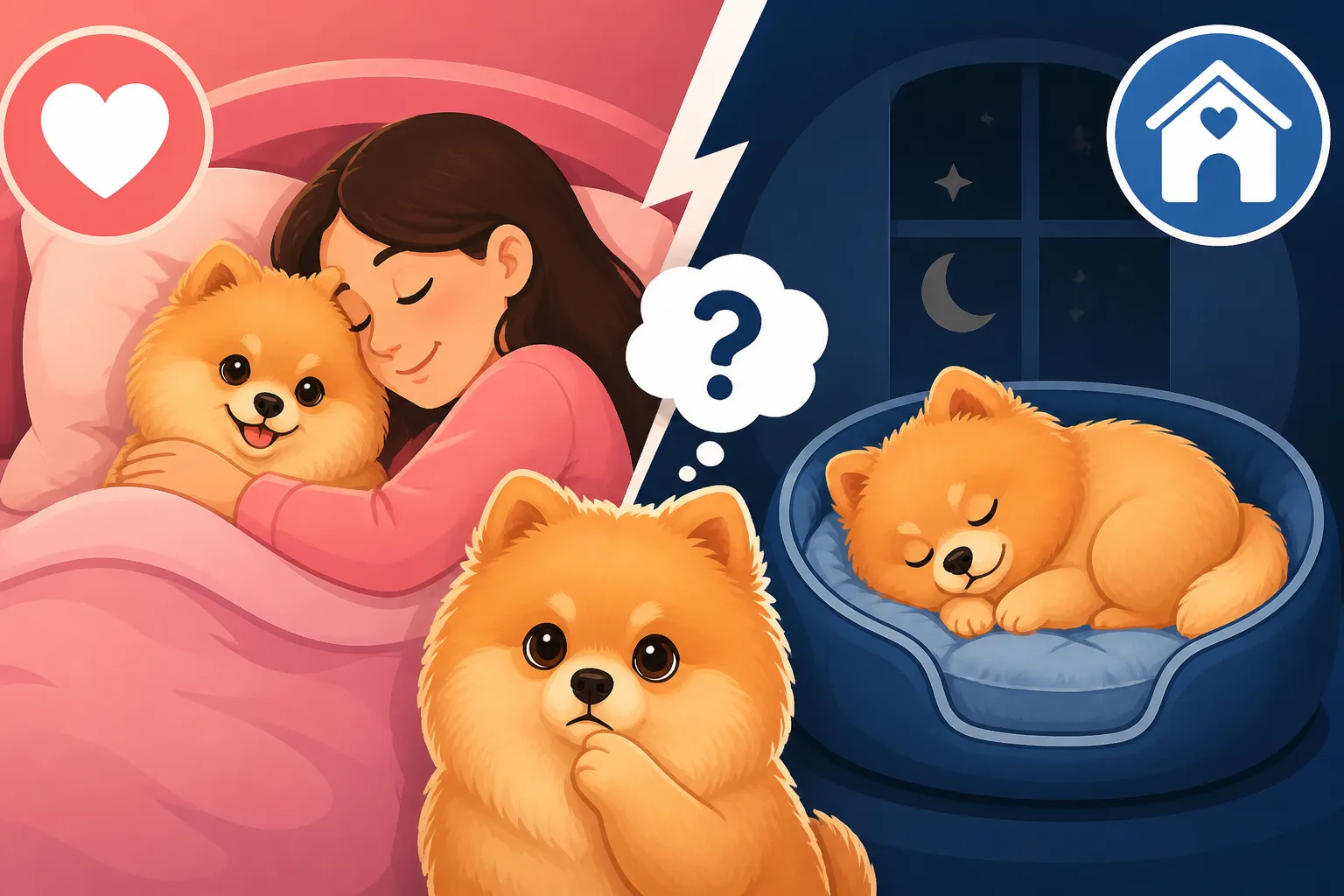
The arrival of a tiny Pomeranian puppy often fills a home with immense joy, but as night falls, many new owners grapple with a profound worry: is it truly okay for such a small, vulnerable creature to sleep alone? This guide will dive deep into the emotional and practical considerations of nighttime arrangements for your Pomeranian puppy, offering comprehensive advice to ensure both their safety and your peace of mind.
The Instinctive Need for Closeness in a Young Pomeranian
It’s completely natural for a Pomeranian puppy, especially one so young and small, to feel anxious when separated from its new family. These little fluff balls come from a long lineage of companion dogs, but even more fundamentally, they are pack animals. In the wild, a puppy would never sleep alone; it would be snuggled safely with its littermates and mother. This inherent drive for warmth and security doesn't just vanish because they've moved into our homes. When they are left alone in a new, unfamiliar environment, their tiny instincts scream danger, leading to distress, crying, and an overall sense of insecurity.
Understanding the Puppy's Perspective at Night
Imagine being tiny, in a vast new world, without the comforting scent and presence of your mother or siblings. That’s what your Pomeranian puppy experiences. They're trying to figure out their place, and suddenly, they're isolated during the darkest hours. This isn't just about being spoiled; it's about deep-seated survival instincts kicking in. They are seeking the comfort and protection that being part of a group provides, and when that's absent, they can become quite stressed.
This stress can manifest in incessant barking, whining, and even desperate attempts to escape their sleeping area. It’s not a sign of naughtiness; it’s a cry for help. A puppy that cries through the night isn't trying to manipulate you; it's genuinely scared and lonely. Recognizing this fundamental need for companionship is the first step in creating a successful nighttime routine.
Physical Safety Concerns for a Solo Sleeping Pomeranian Puppy
Beyond emotional comfort, there are very real physical safety concerns that make leaving a Pomeranian puppy completely alone in an isolated room a tricky proposition. Their small size makes them fragile. Things we might take for granted, like a slightly elevated bed, can be a dangerous jump for a tiny puppy. They are also prone to Blood Sugar Crashes in a Pomeranian Puppy, especially if they are particularly small or skip a meal. A puppy experiencing hypoglycemia might become lethargic and disoriented, and if no one is around, it could escalate into a severe emergency.
There's also the risk of them getting tangled in bedding, finding a way to chew on something unsafe, or having a potty accident that then leads to them lying in their own waste for hours. Even small, seemingly innocuous items can become choking hazards. For these reasons, proximity often provides the quickest response time to any potential issue, be it a low blood sugar episode, a cry for a potty break, or simply a need for reassurance.
Crafting a Safe and Secure Sleep Environment
Creating the right sleep setup is paramount for a Pomeranian puppy. You want them to feel safe, contained, and close enough to you without being in your bed, especially if that's not your long-term plan. A crate is almost universally recommended for puppies, not as a punishment, but as a cozy, den-like sanctuary.
The Crate: A Den, Not a Dungeon
A well-introduced crate becomes a safe haven for your Pomeranian puppy. It fulfills their natural instinct for a den and provides a secure space where they can't get into trouble overnight. The key is to make it a positive place, associated with good things like treats and comfortable bedding. Start by leaving the crate door open during the day, tossing treats inside, and encouraging them to explore it. You can feed meals inside the crate or offer a special chew toy only available when they are in their crate.
When choosing a crate, consider size carefully. It should be just large enough for them to stand up, turn around, and lie down comfortably. If it’s too big, they might use one end as a potty area, defeating the purpose of crate training. Many crates come with a divider, allowing you to adjust the space as your puppy grows. You can find a wide variety of suitable crates on Amazon, from wire to soft-sided options, perfect for a little Pomeranian. For training resources on getting your puppy comfortable, especially with overnight crating, resources like BAXTER & Bella offer online programs that guide you step-by-step through the process. Crate Work With a Pomeranian Puppy That Cries is another great resource for specific troubleshooting.
Ideal Placement: Close Proximity for Early Nights
For the first few nights, and even weeks, your Pomeranian puppy should ideally sleep in their crate right next to your bed. This allows them to hear, smell, and even see you, which is incredibly comforting. When they stir or make a small whine, you can offer a quiet word of reassurance or a gentle finger through the bars without even getting out of bed. This immediate response teaches them that they are not alone and that you are there for them.
This proximity also makes potty breaks much easier. A tiny Pomeranian puppy has a tiny bladder, and they will need to go out several times a night in the early weeks. Being right next to you means you’ll wake up the moment they start to fuss, preventing accidents and reinforcing their outdoor potty training. As they get older and more secure, and their bladder control improves, you can gradually move the crate further away, if that’s your ultimate goal.
Addressing Nighttime Crying and Anxiety
Even with the best setup, a new puppy will likely vocalize at night. It's a normal part of adjustment, but how you respond sets the stage for future sleep habits. The goal is to differentiate between a genuine need and a cry for attention.
When to Respond and When to Wait
It can be heartbreaking to hear your tiny Pomeranian puppy cry, but it’s crucial to understand why they’re crying. Is it a potty emergency? A sudden noise? Or just general loneliness? A sharp, urgent cry often signals a need to go out. Don't ignore these. Scoop them up, take them directly outside (without much fanfare or play), let them relieve themselves, and then immediately return them to their crate. Keep these potty breaks quick, quiet, and business-like to avoid accidentally teaching them that crying gets them out for fun.
If the crying seems more like a persistent whine or howl, and you know they've been out recently, it might be an expression of loneliness or anxiety. In these cases, a soft word of reassurance from your bedside ("Good dog, settle down") can sometimes be enough. If it persists, briefly placing your hand on the crate or sitting by it for a few minutes can provide comfort. Avoid opening the crate and taking them out for cuddles, as this can inadvertently reinforce the crying behavior. The key is to be present and reassuring without making a big production out of their cries for attention.
Comfort Items and Routine for a Settled Night
Creating a consistent bedtime routine is incredibly helpful. This might include a last potty break, a quiet play session, a chew toy in the crate, and perhaps a special blanket or an old t-shirt with your scent on it. Some puppies find comfort in a soft toy or a "heartbeat" toy designed to mimic a mother dog's pulse. A small nightlight can also help prevent them from feeling utterly alone in the dark.
Consistency is your best friend. Every night, follow the same steps. This predictability helps your Pomeranian puppy understand what to expect, reducing anxiety. Remember, these little ones are highly sensitive to changes in their environment and routine. A stable, loving routine will help them feel secure and gradually build their confidence for sleeping through the night. Consistency also applies to where they sleep; once you've decided on the bedroom for now, stick with it until they're truly ready for a move.
Transitioning Towards Independent Sleeping (If Desired)
While sleeping close is great for initial bonding and safety, many owners eventually want their Pomeranian to sleep independently, perhaps in their own room. This transition should be gradual and based on your puppy's readiness, not just a sudden move.
Gradual Distance: A Step-by-Step Approach
Once your Pomeranian puppy is reliably sleeping through the night in their crate next to your bed, and has excellent bladder control (usually around 4-6 months, though every dog is different), you can begin the slow process of moving their crate. Start by moving it just a few feet away from your bed for a few nights. If they remain comfortable, move it a little further, perhaps to the other side of the room, then near the doorway, and finally, just outside your bedroom door.
This gradual approach minimizes anxiety because the change is subtle. Each step allows your puppy to adjust and feel secure in their new, slightly more distant location. If at any point they regress and start crying more, go back a step or two and stay there longer. There's no rush. The goal is confidence and comfort, not speed. Providing puzzle toys on Amazon can also help them develop Building a Pomeranian's Independence during the day, which can translate to better sleep at night.
Ensuring Continued Security in Their Own Space
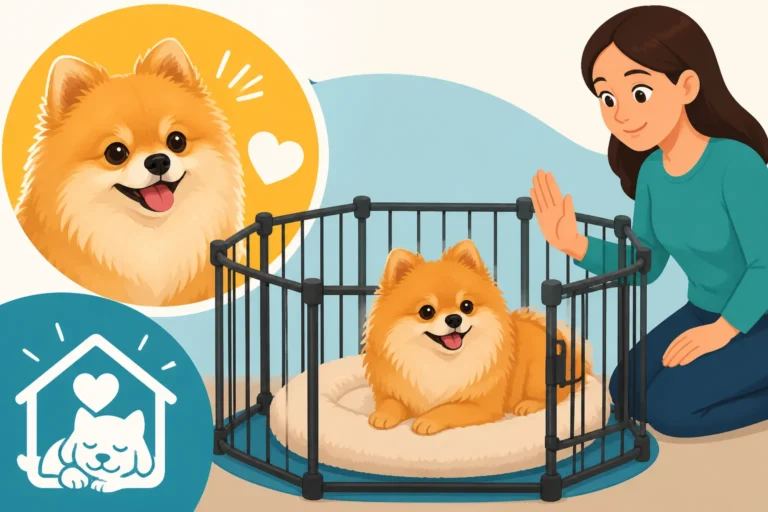
When your Pomeranian puppy eventually transitions to sleeping in their own room or a designated area, ensure that space is still completely puppy-proofed and secure. Make sure there are no accessible electrical cords, small objects they could swallow, or furniture they could jump off and injure themselves on. A sturdy playpen can be a great option for creating a safe zone, particularly if you don't want them confined to just a crate all night. You can find various sizes of playpens, including those with durable metal panels, on Amazon.
Continue to maintain a consistent bedtime routine. Even if they're further away, the predictability of their routine will be a source of comfort. Visit them for a quick cuddle and praise before you head to bed yourself. Remember, their sense of security is deeply tied to their bond with you. Even from another room, knowing you're nearby and that their routine is stable will help them feel safe and loved.
Sleeping Arrangements and Your Pomeranian's Well-being: A Summary
Choosing where your Pomeranian puppy sleeps is a big decision with both emotional and practical implications. It's about balancing their needs for security and safety with your lifestyle and long-term goals.
| Aspect of Sleep | Early Puppyhood (8-16 weeks) | Mid-Puppyhood (4-6 months) | Adult Pomeranian (6+ months) |
|---|---|---|---|
| Location | Crate right next to your bed | Crate gradually moved further from bed, possibly to doorway | Crate in own room, or safely puppy-proofed designated area |
| Primary Goal | Emotional security, frequent potty breaks, monitoring for health | Building independence, reinforcing bladder control, solid routine | Consistency, comfort, continued safety |
| Key Benefits | Reduces crying, prevents accidents, quick response to issues | Eases transition, promotes confidence, maintains routine | Fosters independence, allows personal space for both pet & owner |
| Considerations | Frequent waking, potential for codependency | Puppy regression, requires patience and consistency | Ensure continued safety, provide comfort items |
Ultimately, there's no single "right" answer that fits every Pomeranian and every family. What's most important is prioritizing your puppy's well-being, building trust, and being patient as they grow and adjust. Whether your Pomeranian puppy sleeps alone or cuddled up close (in a safe, contained space), the bond you build through consistent care and reassurance will be the foundation for a happy, well-adjusted companion. Don't hesitate to check out resources like Surviving the First Nights With a Pomeranian Puppy for more immediate tips, and remember that professional guidance from trainers like those offered through BAXTER & Bella can be incredibly helpful throughout this journey.
Disclaimer
This article is for general informational purposes only and does not constitute professional advice. Laws, prices and regulations vary by location and change over time. Consult a qualified professional for guidance on your specific situation.