Whether a Pomeranian Is Calm Enough for Hospital Visits
It’s a common fantasy for many dog owners: having a beautifully behaved companion by your side, whether you’re visiting a quiet nursing home to spread cheer or simply waiting patiently at the vet’s office. But if you own a Pomeranian, you might be wondering if that dream is even remotely possible. Let’s be honest, Poms have a reputation for being rather… boisterous, often described as tiny, feisty fluff balls with a bark that belies their size. The thought of them calmly greeting strangers or settling quietly in a bustling environment can feel like a far-fetched notion. This guide will explore whether a Pomeranian can indeed be calm enough for hospital visits, delving into their natural temperament and the training strategies that can help them become wonderful, composed companions.
Understanding the Pomeranian Temperament: More Than Just a Bark
Pomeranians often come with a stereotype: they're yappy, high-strung, and sometimes a bit bossy. While it's true that their heritage as alert watchdogs from a larger Spitz lineage means they naturally have an inclination to bark and be aware of their surroundings, this doesn't mean every Pomeranian is doomed to be a chaotic little terror. Their inherent intelligence and desire to please their owners, combined with the right guidance, can make a huge difference.
The Watchdog Instinct and Its Impact
Think about it: Pomeranians descended from much larger sled dogs, and their original job, even in their smaller form, was often to guard homes and alert their families to intruders. That strong alert instinct is still very much present in their DNA. This manifests as a keen awareness of new sounds, sights, and smells, and a quick inclination to voice their observations. A doorbell ringing, a squirrel outside the window, or a new person entering their space can all trigger that deep-seated need to announce it. This isn't necessarily aggression; it's often just their way of doing their job. However, this same instinct can make public places, with their constant influx of new stimuli, quite overwhelming if not managed properly. This is why many owners struggle with The Doorbell and the Pomeranian Response or Whether a Pomeranian Barks From Fear or Habit.
Intelligence and Eagerness to Please
Despite their lively spirit, Pomeranians are incredibly smart little dogs. They pick up on cues quickly and are often very eager to please the people they adore. This intelligence is a huge asset when it comes to training for calmness. They can learn to differentiate between appropriate and inappropriate reactions, and they thrive on mental stimulation. If their minds aren't engaged, they might channel their energy into less desirable behaviors, like excessive barking or nervous pacing. The key is to tap into that intelligence and redirect their natural tendencies towards behaviors that are rewarded and encouraged. Many owners find that once they understand the 'why' behind their Pomeranian's actions, they can tailor training more effectively.
Training for Calmness: Cultivating a Composed Companion
Training a Pomeranian for a calm demeanor is absolutely achievable, but it requires consistency, patience, and starting early. It’s not about stifling their personality but channeling their energy and intelligence into desired behaviors. The goal is to teach them that calm behavior earns rewards, attention, and positive interactions, while frantic or over-reactive behavior does not.
Foundation Skills: Sit, Stay, and Settle
Before you even think about a hospital visit, your Pomeranian needs to have rock-solid basic obedience skills. "Sit," "Stay," and especially "Settle" or "Place" commands are paramount. "Settle" is particularly crucial, as it teaches your dog to go to a designated spot (like a mat or a bed) and relax there for an extended period, even amidst distractions. Start this training at home in a quiet environment, gradually introducing more distractions. Reward even the slightest effort towards calm behavior. When they lie down, offer a quiet "good settle" and a small, high-value treat. Practice this repeatedly, extending the duration they can remain settled. Training Session Length for a Pomeranian should be short and positive to maintain their focus.
Desensitization and Counter-Conditioning to Triggers
Many of the things that make a Pomeranian less-than-calm in public are common triggers: new people, strange sounds, unexpected movements. Desensitization means gradually exposing your Pomeranian to these stimuli at a low intensity, so they become less reactive. Counter-conditioning involves changing their emotional response to these triggers from negative (fear, excitement, barking) to positive (calmness, anticipation of a treat).
For instance, if your Pom barks at strangers, start by having a friend stand at a distance where your dog notices them but doesn't react. Reward your dog with a treat for not barking. Slowly, over many sessions, reduce the distance. If your Pomeranian is prone to barking at loud noises, play recordings of hospital sounds (e.g., beeping, PA announcements, rolling carts) at a very low volume while they are engaged in a calm activity, like chewing on a favorite toy. This helps them associate these sounds with positive, relaxed experiences. For structured guidance, resources like BAXTER & Bella offer online puppy and dog training programs that walk owners through these crucial desensitization steps.
Managing Energy Levels
A tired Pomeranian is a calmer Pomeranian. While they are small, they are active dogs and need regular exercise, both physical and mental. Daily walks, even short ones, provide physical activity and exposure to the outside world in a controlled way. Puzzle toys, training sessions, and interactive games like "find the treat" can provide much-needed mental stimulation. A Pomeranian that has pent-up energy is much more likely to be restless, vocal, and generally less composed. Ensure they have appropriate chew toys as well, which can be a great way for them to self-soothe and expend energy in a calm manner. You can find a fantastic selection of suitable puzzle toys and durable chews for small breeds on Amazon.
Desensitization to Hospital Environments: Preparing for the Real Deal
Once your Pomeranian has a solid foundation in calmness training, you can begin to specifically prepare them for the unique environment of a hospital or similar facility. This isn't a quick process; it requires careful planning and a gradual approach.
Exposure to Sights, Sounds, and Smells
Hospitals have distinct aesthetics and aromas. The smell of antiseptic, the sight of people in uniforms, wheelchairs, or crutches, and the sounds of bustling hallways can be overwhelming. Start by exposing your Pomeranian to these elements indirectly.
- Uniforms: If a friend or family member wears scrubs for work, have them interact with your Pomeranian while wearing them in a neutral environment. Reward calm interactions.
- Medical Scents: You can find medical-grade scents online (sometimes used for scent detection training for service dogs) or simply visit the perimeter of a hospital or doctor’s office with your dog, keeping a safe distance at first. Let them sniff, and reward their curiosity and calm demeanor.
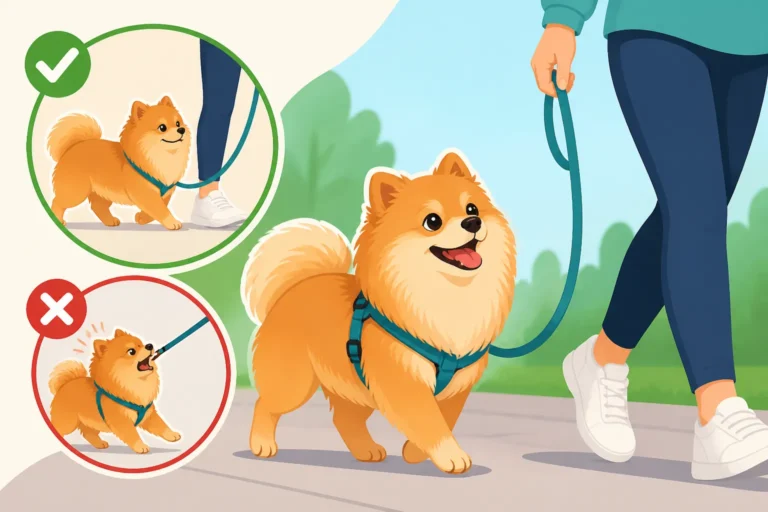
- Equipment: If you have access to a wheelchair or walker, introduce it to your dog at home. Let them investigate, reward them for not barking or jumping, and practice walking past it calmly. A well-fitted Harnesses Fitted for a Pomeranian's Windpipe can provide better control without putting pressure on their delicate throat during these practice walks.
Controlled Visits to Public Places
Before tackling a hospital, take your Pomeranian to less intense public places. Pet-friendly stores (like some craft stores or home improvement centers) are excellent practice grounds. Focus on short visits initially. Work on having your Pomeranian sit or settle quietly in their carrier or on a leash beside you, observing the environment. Reward their calmness generously. Pay attention to their body language. Are they stressed? Are they panting excessively? Are their ears flattened? If so, the environment is too much, and you need to scale back. Gradually increase the duration and intensity of these outings.
Practicing Greetings and Touch
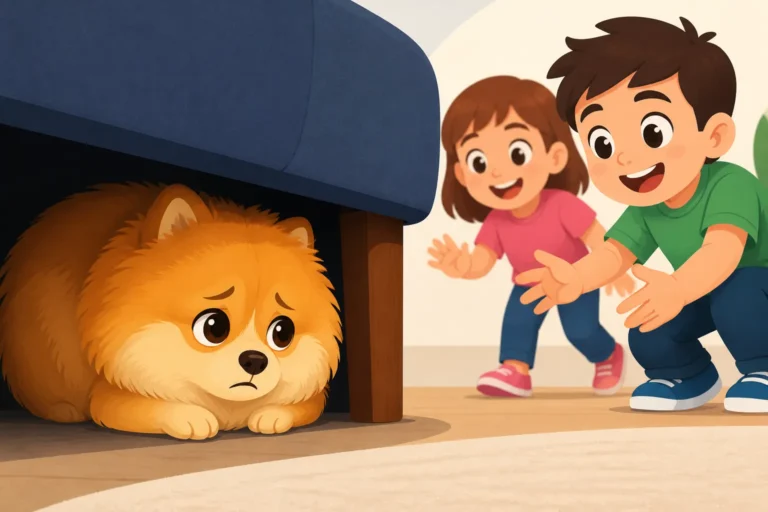
In a hospital or care facility, your Pomeranian might encounter many people wanting to pet them. Not all Poms are natural extroverts, and some can be overwhelmed by sudden touch. Practice polite greetings. Teach your Pomeranian to "say hello" calmly, perhaps by sitting and allowing a gentle stroke. Reward them for accepting touch without jumping or nipping. Teach people how to approach your small dog – slowly, from the side, allowing your Pom to sniff first, and avoiding direct eye contact. It’s also important to know that Whether a Pomeranian Likes Being Held can vary, so ensure your dog is comfortable with appropriate handling.
Assessing Your Pomeranian's Readiness: Is Your Pom a Good Fit?
Even with the best training, not every Pomeranian will be naturally suited for hospital visits, especially in a therapy dog capacity. It's crucial to be honest with yourself about your dog's personality and stress tolerance. Pushing a dog beyond their comfort zone can be detrimental to their well-being and to the people they are meant to comfort.
Key Indicators of Readiness
When you consider your Pomeranian for such a role, look for the following traits:
- Low Reactivity: Your Pomeranian should be able to ignore sudden noises, strange sights, and the presence of new people without barking excessively, lunging, or displaying signs of fear or aggression. Getting a Barking Pomeranian to Stop on Command is a key skill here.
- Enjoyment of People: A good therapy dog actively enjoys meeting new people, seeking out gentle attention rather than shrinking away or becoming overstimulated. They should be calm and friendly, not overly excitable or shy.
- Ability to Settle: They can lie down and relax for extended periods, even when there's activity around them. This is vital for quiet patient rooms or waiting areas.
- Confidence in Novel Environments: They should be curious rather than fearful in new places, exploring calmly rather than clinging to you or trying to escape.
- Tolerance for Handling: They must be comfortable with gentle petting, being touched by strangers, and even being gently held or positioned for interaction, as many patients may have limited mobility.
| Trait | Ideal for Hospital Visits | Red Flag for Hospital Visits |
|---|---|---|
| Barking | Rarely barks, can be silenced with a single cue | Barks at every new sight/sound, difficult to quiet |
| Greeting Strangers | Approaches calmly, accepts gentle pets, enjoys attention | Jumps, nips, shies away, or barks at new people |
| Settle/Relaxation | Can lie down and rest for 15+ minutes in busy environments | Restless, paces, whines, or demands constant attention |
| Environmental Stress | Curious and explores new sights/smells calmly | Trembles, pants, hides, or shows fear/aggression in new places |
| Handling | Enjoys gentle petting, comfortable being touched by different people | Snaps, growls, or tries to escape when touched by strangers |
The Importance of Professional Evaluation
If you're serious about your Pomeranian visiting hospitals or becoming a certified therapy dog, seek out a professional evaluation. Many therapy dog organizations have specific tests that assess a dog's temperament, obedience, and ability to handle various real-world scenarios. These evaluations are designed to ensure the safety and comfort of both the dog and the people they will interact with. An experienced evaluator can provide invaluable feedback on your Pomeranian's strengths and weaknesses, and guide you on further training needs.
Remember, a therapy dog isn't just a well-behaved pet; it's a dog with a specific job that requires a very particular temperament. While many Pomeranians are wonderful companions, not all of them possess the innate calmness and unflappable confidence required for such a demanding role. It's okay if your Pomeranian isn't suited for hospital visits; they can still bring immense joy and comfort to your own home. However, for those special Poms who do have the right disposition and receive the dedicated training, they can be incredibly impactful and heartwarming visitors, proving that even the smallest fluffball can have the biggest heart for service.
Disclaimer
This article is for general informational purposes only and does not constitute professional advice. Laws, prices and regulations vary by location and change over time. Consult a qualified professional for guidance on your specific situation.