Whether a Retiree Can Keep Up a Pomeranian’s Coat
The golden years are often painted as a time of relaxation, newfound hobbies, and perhaps welcoming a furry companion into your home. A Pomeranian, with their bright eyes and fluffy, charming demeanor, often seems like the perfect candidate for a retiree seeking companionship. However, one of the biggest questions that often weigh on a prospective Pom parent in their later years is whether they can truly keep up with the breed's famously abundant and demanding coat. This guide aims to explore the realities of Pomeranian grooming for retirees, offering insights and practical strategies to help you decide if it's a manageable commitment.
Understanding the Pomeranian's Glorious, Demanding Coat
Before diving into the practicalities of grooming, it's crucial to understand why a Pomeranian's coat requires so much attention. It's not just a pretty facade; it's a complex, double-layered insulation system designed for colder climates, a legacy from their larger Spitz ancestors. This beautiful coat is a defining feature of the breed, but it's also a full-time commitment.
The Double Coat's Daily Reality
A Pomeranian's coat consists of two distinct layers: a soft, dense undercoat that provides warmth and insulation, and longer, coarser guard hairs that protect against the elements and give the breed its characteristic "stand-off" appearance. This combination, while stunning, is a magnet for tangles and mats if not maintained diligently. Imagine a finely woven, plush carpet that you wear all the time – it's bound to pick up debris, shed fibers, and get compressed in places.
Unlike some breeds that might get by with a weekly brush, a Pomeranian truly thrives on daily attention. This means not just a quick run-over with a brush, but a thorough, section-by-section grooming session that reaches down to the skin. Missing a spot, even for a day or two, can quickly lead to tiny knots forming. These knots, if left untended, will tighten into painful mats that pull on the skin and can harbor moisture, leading to skin irritations or infections. It’s a bit like having dreadlocks form on your scalp if you didn’t comb your hair for weeks, only much more uncomfortable for your little friend.
The Grooming Schedule: More Than Just Brushing
Beyond the daily brushing, Pomeranians require a more comprehensive grooming schedule. Regular bathing is essential to keep the coat clean and fresh, though too frequent washing can strip natural oils. Typically, a bath every 2-4 weeks is sufficient, but this process isn't just a quick dunk. It involves thoroughly wetting the dense coat, shampooing, conditioning, and then – crucially – meticulously blow-drying and brushing until every strand is dry and detangled. Allowing a Pomeranian's double coat to air dry can actually encourage matting and mildew. You can find excellent quality brushes and dryers on platforms like Amazon that can make this process a bit smoother.
Then there are the "trims" – not a full shave, which is detrimental to a Pomeranian's coat, but careful tidying. This includes keeping the fur around their paws neat to prevent slipping and debris collection, trimming the hair around their sanitary areas for hygiene, and sometimes shaping the "mane" or "ruff" for a well-groomed look. Trims a Pomeranian Can Safely Have goes into more detail about what's appropriate. Nails need trimming every 2-4 weeks, ears checked and cleaned, and teeth brushed daily to prevent dental disease, a common issue in small breeds. It's a holistic approach to care, and each part requires a certain level of physical engagement and attention to detail.
Potential Challenges for Retirees
The reality is that as we age, our bodies change. While many retirees are incredibly active and vibrant, certain aspects of physical capacity can naturally decline, posing potential challenges to the rigorous grooming demands of a Pomeranian. It's important to be honest with yourself about these possibilities.
Physical Limitations and Stamina
Grooming a Pomeranian effectively takes time, patience, and some physical dexterity. A full, proper brush-out can easily take 30-60 minutes, especially if your Pom is prone to wiggles or has some mats. This time is spent bending, reaching, holding the dog still, and repetitive hand motions. For someone with arthritis in their hands, shoulders, or back, this can quickly become painful or exhausting. Standing at a grooming table for an hour might be challenging for those with knee or hip issues, or simply less overall stamina than they once had.
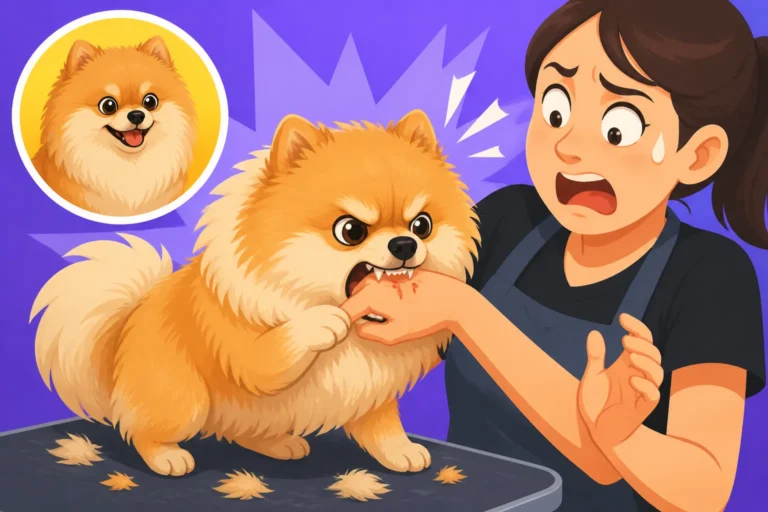
The strength needed to hold a wriggly Pomeranian securely, yet gently, can also be a factor. While small, a determined Pom can be surprisingly strong when they don't want to cooperate. If you have limited upper body strength, or if trembling hands are an issue, it can make intricate grooming tasks, such as Trimming the Fur Between a Pomeranian's Toes or getting a comb through a dense section of fur, quite difficult. It's not just about getting the job done, but doing it thoroughly and safely for both you and your pet.
Vision and Dexterity Considerations
Close-up work is a significant part of Pomeranian grooming. Inspecting the skin for irritations, finding tiny mats nestled deep in the undercoat, trimming nails without cutting the quick, or carefully cleaning around the eyes and ears all require good vision and fine motor skills. As our eyesight naturally changes with age, or if conditions like glaucoma or cataracts affect vision, these detailed tasks can become more challenging.
Similarly, dexterity in the fingers and hands is crucial for manipulating brushes, combs, clippers, and scissors. Conditions such as tremors or severe arthritis can make these tools harder to use precisely, increasing the risk of accidentally nicking the skin or cutting a nail too short. It's not something to take lightly; even a small cut can lead to discomfort or infection for your sensitive Pomeranian. The precision required for Cleaning a Pomeranian's Small Ears or thoroughly cleaning tear stains can also become a painstaking task.
The Emotional Toll of a Matted Coat
Beyond the physical aspects, there's an emotional toll when a Pomeranian's coat becomes matted. It's distressing for the owner to see their beloved companion uncomfortable or in pain, and it can lead to feelings of guilt or inadequacy. Taking a severely matted Pomeranian to a professional groomer often results in the need for a full shave-down, which can be upsetting for owners who adore the breed's signature fluffy look. More importantly, it can be a traumatic experience for the dog, potentially making future grooming sessions even more difficult.
Furthermore, a neglected coat isn't just an aesthetic issue; it can seriously impact your Pomeranian's health. Mats restrict air circulation to the skin, trap dirt and parasites, and can cause painful skin infections. This can lead to increased vet visits, additional costs, and prolonged discomfort for your dog. The worry and stress associated with maintaining their well-being can detract from the joy of having a companion, especially when you envisioned a relaxing retirement.
Strategies for Successful Pomeranian Grooming in Retirement
The good news is that owning a Pomeranian in retirement doesn't have to mean sacrificing their coat health or your peace of mind. With careful planning and the right strategies, you can absolutely enjoy the companionship of a well-groomed Pom. It's all about working smarter, not harder.
Investing in the Right Tools and Techniques
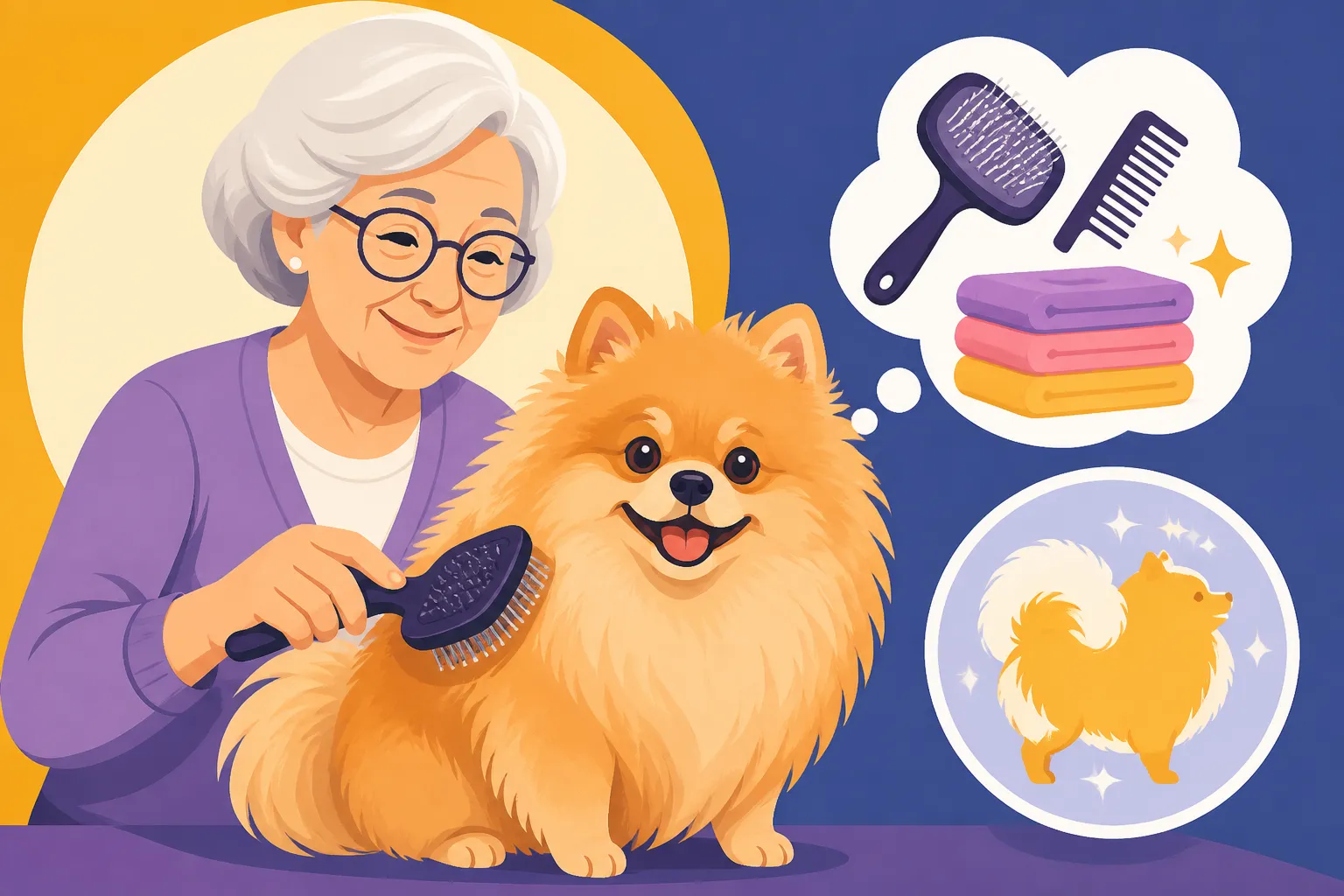
Having the correct grooming tools can make a world of difference. A high-quality slicker brush and a metal comb that reaches through the undercoat are non-negotiable. Look for ergonomic handles that are comfortable to hold for extended periods, reducing strain on your hands. A good quality, quiet dog-specific blow dryer can significantly speed up drying time after baths, making the process less arduous. Many excellent options are available on Amazon, often with reviews from other owners that can guide your choice.
Consider a grooming table, even a small, portable one, that brings your Pomeranian up to a comfortable working height. This eliminates the need for excessive bending or hunching over, which can alleviate back and knee strain. Establishing a positive routine from puppyhood, even if you acquire an adult Pomeranian, is vital. Using positive reinforcement and gentle handling techniques, perhaps guided by resources like BAXTER & Bella, can teach your Pomeranian to tolerate, and even enjoy, grooming sessions. Teaching a Pomeranian to Stand Still for the Brush is an excellent resource for establishing these good habits early on. Small, high-value treats and praise can turn grooming into a bonding experience rather than a battle.
Seeking Professional Help Wisely
You don't have to do it all yourself. Professional groomers are a fantastic resource, and factoring regular grooming appointments into your budget can alleviate much of the physical burden. Many retirees choose to have their Pomeranian professionally groomed every 4-6 weeks for a full bath, brush, and trim. This frequency helps prevent mats from forming and keeps the coat in pristine condition. Between visits, you would still maintain daily brushing, but the "heavy lifting" of bathing and deep conditioning is handled by an expert.
When choosing a groomer, look for one experienced with double-coated breeds and who uses gentle handling techniques. Discuss your Pomeranian's specific needs and your capabilities. Some groomers even offer "maintenance trims" between full grooms, such as sanitary trims or face tidies, which can be very helpful. Remember that the cost of professional grooming, while an investment, can save you from potential vet bills due to matted coats and can significantly enhance your quality of life with your furry friend. Consider if What a Year of Pomeranian Grooming Adds Up To is a realistic line item in your retirement budget.
Adapting the Grooming Routine
Even with professional help, daily maintenance at home is still important. However, you can adapt how you do it. Instead of one long session, break it into shorter, more frequent bursts. A 10-15 minute brush-out morning and evening might be more manageable than a single 30-minute session. Use a comfortable chair, ensure good lighting, and make it a calm, predictable ritual.
For specific areas that are prone to matting, like behind the ears, under the legs, or in the "britches" (the fluffy fur on their hindquarters), give them extra attention during these mini-sessions. If you find your grip weakening, explore alternative brushes or combs designed for easier handling. Sometimes, a simple adjustment like placing a non-slip mat on your lap or a table can make the grooming process more secure for both you and your Pomeranian. If you live in an area with particularly harsh winters or hot summers, discuss with your groomer if a slightly shorter, but still protective, trim might be beneficial during certain seasons, focusing on health and comfort over strict adherence to show-ring length.
Making the Decision: Is a Pomeranian the Right Fit for Your Retirement?
Ultimately, the decision of whether a Pomeranian is the right companion for you in retirement, particularly concerning their coat, is a personal one. It requires an honest self-assessment and a realistic understanding of the commitment involved.
Assessing Your Personal Capabilities
Before bringing a Pomeranian home, sit down and genuinely evaluate your current and projected physical capabilities. Think about your energy levels, joint health, eyesight, and dexterity. If you already find daily tasks requiring fine motor skills or sustained standing challenging, you'll need a strong support plan in place for your Pomeranian's grooming. Consider how your physical abilities might change in the coming years; a Pomeranian can live The Twelve to Sixteen Years a Pomeranian Lives, so this is a long-term commitment.
Do you have the patience for daily grooming? Are you prepared for the occasional wrestling match with a stubborn mat? Can you handle the financial aspect of regular professional grooming? If the answer to some of these questions gives you pause, it doesn't mean a dog isn't for you, but perhaps a breed with a lower-maintenance coat might be a better fit. There are many wonderful companion breeds that require less intensive grooming.
The Role of Support Systems
A strong support system can make all the difference. Do you have family members, friends, or neighbors who could assist with grooming tasks if needed, especially during times of illness or reduced mobility? Is there a reliable professional groomer nearby who you trust? Having a backup plan for when life inevitably throws a curveball is incredibly reassuring.
Consider the other aspects of Pomeranian care, beyond just grooming. Poms are often active and intelligent, requiring regular mental and physical stimulation. While they don't need miles of walking, daily play and short walks are essential. How Far a Pomeranian Can Walk in a Day can give you an idea of their exercise needs. If you have the time, the love, and are willing to put in the effort or invest in professional support, then a Pomeranian can be an incredibly rewarding and loving companion, bringing immense joy and laughter into your retirement years. Just remember that beautiful coat comes with a beautiful responsibility!
Disclaimer
This article is for general informational purposes only and does not constitute professional advice. Laws, prices and regulations vary by location and change over time. Consult a qualified professional for guidance on your specific situation.