Starting Brush Handling on a Pomeranian Puppy
It can be incredibly frustrating, not to mention disheartening, when you bring home your adorable Pomeranian puppy only to find that every attempt at brushing them turns into a wrestling match, a game of chase, or a tiny, indignant battle of wills. You know how important grooming is for that magnificent double coat, but getting a squirming, nipping fluffball to cooperate feels impossible, leaving you wondering if you'll ever achieve that perfect, fluffy appearance without stress. This guide is here to walk you through the essential steps and gentle techniques to introduce brush handling to your Pomeranian puppy, transforming grooming from a chore into a calm, positive, and even bonding experience for both of you.
Why Early and Positive Brush Handling is Non-Negotiable
Starting brush handling when your Pomeranian is just a tiny puppy isn't just about getting their coat looking good; it's about laying a crucial foundation for their entire life. Many people underestimate the sheer volume of grooming a Pomeranian requires, and if you wait until they're older and already associating brushing with discomfort, you're in for a much harder time. This early exposure helps prevent a lifetime of stress during grooming sessions, vet visits, and even simple cuddles.
Building Foundational Trust and Comfort
Imagine being a tiny puppy, suddenly being held still, poked, and prodded with strange objects. It’s naturally a bit scary! By introducing brushes and handling in a positive, gentle way from day one, you teach your puppy that being touched and groomed isn't something to fear. It becomes a predictable, pleasant interaction that strengthens their bond with you. When you consistently pair these experiences with delicious treats and calm praise, you're essentially telling them, "This is good! You can trust me." This trust is invaluable, not just for grooming but for all aspects of their training and well-being. A puppy that trusts your touch is far more amenable to learning new things and will feel more secure in their world.
Preventing Coat Catastrophes and Skin Issues
A Pomeranian's magnificent double coat is a thing of beauty, but it's also a magnet for mats and tangles if not properly maintained. The dense undercoat combined with the longer guard hairs can quickly form felted patches, especially behind the ears, in the armpits, and around the britches. Trying to brush out severe matting on an adult Pomeranian who hates being groomed is a nightmare, often requiring shaving down to the skin and potentially damaging the coat permanently. By starting early, you get your puppy used to the feeling of the brush before their adult coat fully comes in and before mats become a serious issue. Regular, gentle brushing stimulates the skin, distributes natural oils, and helps you identify any skin irritations or parasites early. This proactive approach saves you headaches and potentially expensive vet visits down the line.
Preparing for a Lifetime of Necessary Handling
Beyond daily brushing, your Pomeranian will need to be handled for countless other reasons throughout their life. They'll need their nails trimmed, their ears cleaned, their teeth brushed, and their paws inspected. Vet visits will involve full body examinations, temperature checks, and potentially blood draws or injections. If a dog only experiences being held still for unpleasant things, they quickly learn to resist. A puppy that is comfortable with gentle handling from a young age will be much calmer and cooperative during these essential procedures, making life easier for you, your vet, and most importantly, for your dog. Think of it as investing in their emotional resilience, making all future care much less stressful.
Gathering Your Essential Grooming Toolkit
Before you even think about putting a brush to your puppy's coat, you need to assemble the right tools. Using the wrong type of brush or comb can actually hurt their delicate skin or pull their fine hair, turning what should be a pleasant experience into a painful one. Investing in quality tools designed for a Pomeranian's specific coat type is key to making brush handling a success.
Selecting the Right Brushes and Combs
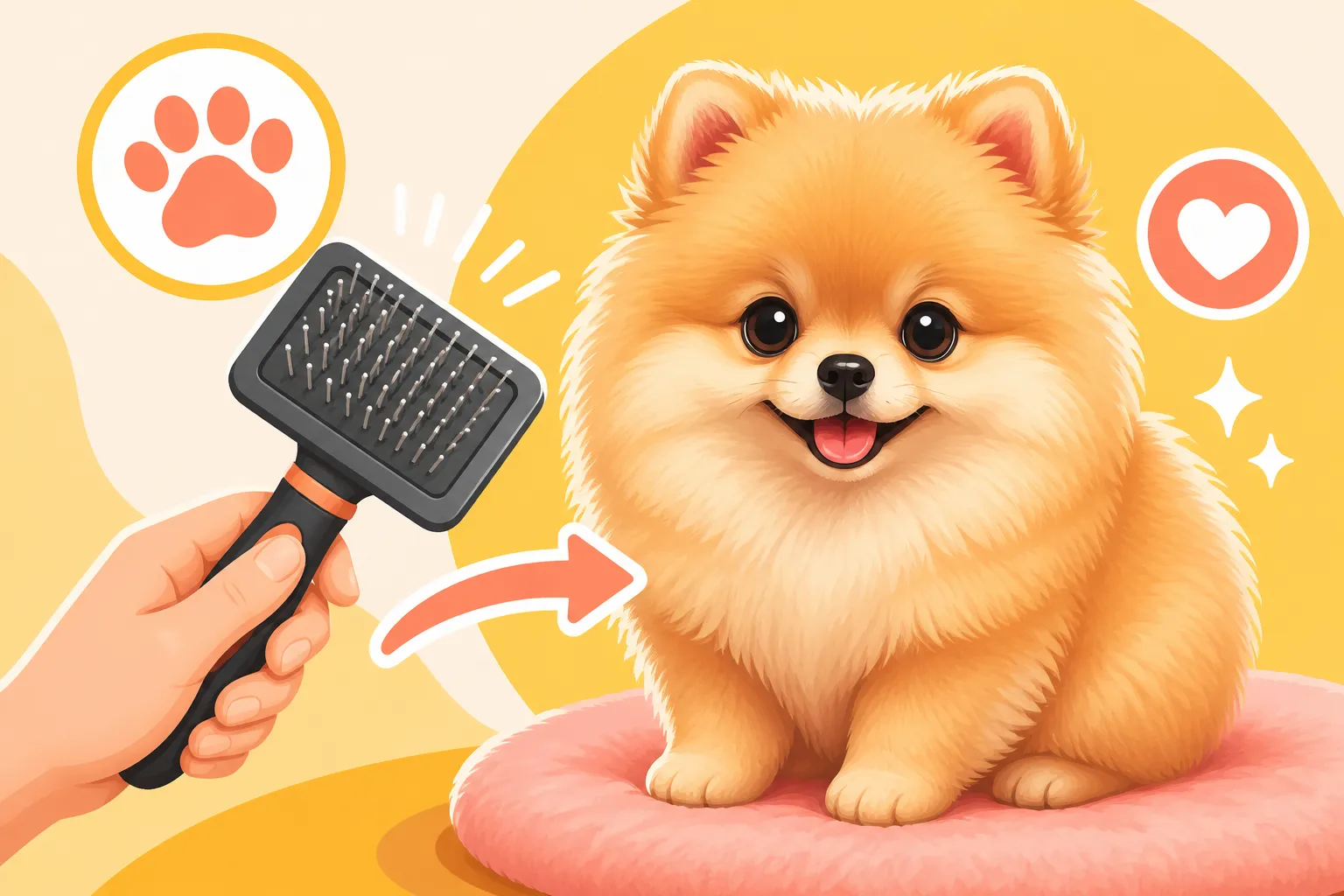
For a Pomeranian's unique double coat, you'll need a few specific items. First and foremost, a good quality slicker brush is indispensable. Look for one with fine, bent wire bristles that aren't too sharp, as puppy skin is very sensitive. A soft-tipped slicker brush can be a great starting point. The slicker brush is excellent for getting through the dense undercoat and removing loose hair. Secondly, you'll want a metal comb with both wide and narrow-set teeth. This is crucial for checking your work after brushing and for gently detangling any small knots that the slicker brush might miss. Finally, a pin brush with rounded pins can be useful for finishing the coat and adding fluff, especially as they get older.
When choosing these tools, consider those recommended by professional groomers. Brands found easily on sites like Amazon offer a wide range of options, and reading reviews from other small dog owners can guide your choice. Avoid brushes designed for single-coated breeds or those with extremely stiff bristles. The Slicker and Pin Brush a Pomeranian Needs has more details on specific types.
Setting Up a Safe and Comfortable Grooming Space
Where you groom your puppy is just as important as how. A non-slip surface at a comfortable height for you will make the process much smoother. Many owners find a small grooming table with an arm and loop incredibly helpful, but for a puppy, starting on your lap while seated comfortably, or on a non-slip bath mat on a table or even the floor, can work well. The key is to have a consistent, dedicated spot where grooming always happens. This helps your puppy understand the routine.
Ensure the area is quiet and free from distractions. You want their full attention focused on you and the pleasant experience. Keep everything you need within arm's reach – brushes, combs, treats, and perhaps a small towel. This prevents you from having to step away, which can break the puppy's focus or encourage them to squirm off the surface. A calm environment reinforces the calm behavior you're trying to encourage.
Treats, Praise, and Positive Reinforcement
This is perhaps the most critical part of your toolkit. High-value treats are non-negotiable for positive reinforcement. Think tiny, soft, smelly treats that your puppy absolutely adores. Cut them into pea-sized pieces so you can give many small rewards without overfeeding. Verbal praise, like "Good puppy!" in a happy, calm voice, and gentle petting in non-sensitive areas are also vital.
The goal is to create a strong positive association with brushing. Every touch of the brush, every moment of stillness, every time they allow you to handle a paw, should be immediately followed by a treat and praise. This teaches them that grooming means good things happen. Remember, you're not just brushing their coat; you're building a positive habit and reinforcing good behavior. Resources like those from BAXTER & Bella often emphasize positive reinforcement techniques, which are perfect for a sensitive breed like the Pomeranian.
The First Gentle Sessions: Making it Fun
Starting brush handling with your Pomeranian puppy should be a series of very short, positive interactions, not a full grooming session. The aim here is exposure and positive association, not perfection. Think of it as a game where the puppy wins every time they tolerate a touch.
Touch, Treat, Repeat: Building Association
Begin with simply letting your puppy investigate the brush. Let them sniff it, even lick it. Then, gently touch the brush to their body for just a second or two – on a less sensitive area like their back or shoulder – and immediately give a high-value treat and calm praise. That's it for the first few repetitions! Touch, treat, release. As they get more comfortable, you can extend the touch to a single, gentle stroke.
The key is "one stroke, one treat, one praise." Keep these initial sessions incredibly brief, perhaps only a minute or two, multiple times a day. You want to stop before they get bored or wiggly, leaving them wanting more. This builds a strong positive association. If they try to mouth the brush, simply pull it away for a moment and redirect them with a treat to their nose, then try again. Never scold or get frustrated; this will undo all your hard work. Consistency in these short, positive sessions is much more effective than long, infrequent ones.
Introducing Different Body Zones Gradually
Once your puppy is tolerating a few strokes on their back, you can slowly expand to other areas of their body. Pomeranians have delicate skin and sensitive areas, so proceed with caution. Next, try their sides, then gently move to their chest. The legs, paws, tail, and face are often the most sensitive areas, so save these for later.
When you do move to a new area, go back to the "one touch, one treat" method. For example, gently touch a paw, immediately treat. Then try to lift the paw for a second, immediately treat. Repeat this process for each new body zone. For their tail, just a single, gentle stroke near the base, then treat. Always be soft and reassuring. This phased approach prevents overwhelming your puppy and allows them to get used to the sensation on various parts of their body at their own pace.
Keeping Sessions Short and Positive
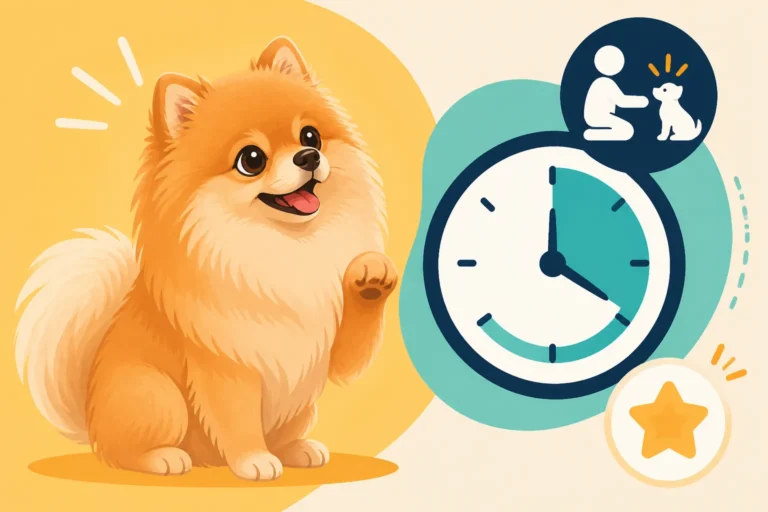
I cannot stress this enough: keep it short. A one or two-minute session, several times a day, is far more effective than trying to force a longer session once a week. Puppies have short attention spans, and ending on a high note, before they get squirmy or fed up, ensures that the next session starts from a place of positivity. As your puppy grows and becomes more accustomed to the routine, you can gradually extend the duration of your grooming sessions.
The goal in these early stages isn't to get their entire coat perfectly brushed. It's to build a rock-solid foundation of comfort and trust. If you notice your puppy getting stressed, immediately stop, offer a final treat, and try again later. Forcing the issue will only create negative associations and make future grooming much harder. Remember that grooming is a lifelong necessity, so patience now pays dividends later.
Graduating to More Thorough Grooming
As your puppy gets more comfortable with short, positive sessions, you can slowly increase the intensity and duration of the grooming. This transition needs to be as gradual and treat-filled as the initial introduction.
Extending Session Duration and Brush Strokes
Once your Pomeranian puppy is consistently calm for a minute or two of brushing, you can start to gently extend the session by a minute or two each day or every other day. Instead of one stroke and a treat, try two or three strokes before the reward. The goal is to build up to a point where they can tolerate a sustained period of brushing without becoming anxious.
During this phase, continue to use your high-value treats and praise generously. If you notice any signs of discomfort or resistance, shorten the session immediately and go back to a level they were comfortable with. Never push them too far, too fast. Think of it as building their "grooming stamina." It takes time and consistency. You might find that listening to calm music during these sessions helps to create a relaxing atmosphere for both of you.
Introducing the Comb and Working Through the Coat
The metal comb is a crucial tool for a Pomeranian's coat, but its teeth can feel more intense than a slicker brush. Introduce it similarly to how you introduced the brush: a quick touch, then a treat. Once they are okay with that, try a very gentle stroke of the wide-toothed side of the comb through their fur, immediately followed by a treat.
The comb's primary job is to ensure you've reached down to the skin, especially in areas prone to matting. Start by using the comb in sections, checking for any tangles that the slicker brush might have missed. If you encounter a small knot, don't yank! Gently work it out with the comb's wide teeth, holding the hair at the base near the skin to prevent pulling. If it's too tight, try a detangling spray designed for dogs. Building a Pomeranian's Tolerance for Combing Mats delves deeper into tackling these issues.
Practicing Grooming Specific Areas
Pomeranians have several areas that require special attention during grooming, and these can often be the most sensitive.
- Paws: Gently hold a paw, treat. Lift it, treat. Then touch a nail, treat. Slowly work your way up to touching the pads and the hair between the toes. This is also important for Teaching a Pomeranian to Accept Nail Trims.
- Face: Many Poms dislike having their faces brushed. Start with just a finger stroke along their muzzle, then treat. Gradually introduce the comb or a small slicker brush, being extremely careful around their eyes and nose.
- Ears: Gently lift an ear flap, look inside, and treat. Briefly touch the comb behind the ear, where mats frequently form, and treat.
- Tail: The beautiful plumed tail also needs attention. Gently lift the tail, brush a small section, and treat.
By breaking down these specific areas into tiny, manageable steps, you prevent your puppy from becoming overwhelmed and ensure they develop a positive association with each part of the grooming process.
Troubleshooting Common Puppy Reactions
Even with the best intentions and the most positive reinforcement, puppies can have their moments. Understanding typical reactions and how to respond calmly and effectively is key to not derailing your progress.
Dealing with Puppy Nipping and Mouthing
It's completely normal for puppies to explore the world with their mouths, and that includes your hands, the brush, and even your clothing during grooming sessions. When your Pomeranian puppy nips or mouths the brush or your hand, it's usually not aggression, but rather playfulness, teething, or a way of saying "I don't like this."
The best approach is to redirect. If they mouth the brush, immediately remove the brush from their reach and offer them an appropriate chew toy. Once they're focused on the toy, you can try brushing again. If they nip your hand, give a sharp, but not angry, "ouch!" or "no" sound, withdraw your hand, and stop the session for a few seconds. Then, re-engage calmly with the brush, rewarding them for not nipping. Never punish them for nipping, as this can create fear and make them less tolerant of future handling. Consistency in redirecting and rewarding calm behavior is paramount.
Handling Squirming and Running Away
A wiggly puppy is a common challenge! If your Pomeranian puppy tries to squirm away or runs off the grooming surface, it often means the session is too long, they're uncomfortable, or they're not adequately motivated.
If they squirm, immediately reset. Hold them gently but firmly, calmly tell them "stay," and wait until they settle for even a split second. As soon as they are still, even for a breath, immediately treat and praise. Then try one very quick, gentle brush stroke and treat again. The goal is to reward the stillness. If they try to jump or run, gently pick them up and put them back in position without fuss or scolding. Then, shorten the session dramatically. Make it so easy for them to succeed that they can't fail. Perhaps it's just one touch of the brush and a treat, and then they're done. Build up slowly from there, ensuring the treats are super high-value. This teaches them that stillness equals reward, and squirming just delays the delicious treat.
Addressing Fear and Anxiety
Some puppies are naturally more anxious or may have had a negative experience. If your Pomeranian puppy shows signs of genuine fear (tucked tail, flattened ears, trembling, trying to hide), you need to scale back significantly. Forcing a fearful puppy will only exacerbate the problem.
Start by simply having the brush visible and pairing it with treats from a distance. Then, bring the brush closer, treat. Touch the brush to your hand or arm, treat. Gradually work towards touching the brush to their body, always watching for signs of fear. If they show any anxiety, stop, give a treat for their bravery in tolerating what they did, and try again when they are calmer. You might need to use a calming pheromone spray or even involve a professional positive reinforcement trainer if the fear is severe. Patience and never pushing them past their comfort level are the keys here. Building trust is more important than a perfectly brushed coat in the early stages.
| Puppy Reaction | Common Cause | Recommended Approach |
|---|---|---|
| Nipping/Mouthing | Play, teething, discomfort | Redirect to a chew toy; remove brush briefly; reward for not nipping |
| Squirming/Wiggling | Boredom, discomfort, short attention span | Shorten sessions; reward immediate stillness; make sessions super brief and positive |
| Running Away | Fear, wanting to end session | Gently return to position; ensure high-value treats; shorten session length |
| Fear/Anxiety | Negative past experience, sensitive nature | Extremely gradual introduction; pair brush with treats from a distance; never force |
Making Grooming a Lifelong Positive Experience
The work you put in during puppyhood isn't just for a few months; it sets the stage for a lifetime of comfortable grooming. Consistency and continued positive reinforcement are your best friends as your Pomeranian matures.
Maintaining a Consistent Grooming Schedule
Pomeranians need frequent brushing to keep their double coats healthy and free of mats. Once your puppy is comfortable with being handled, aim for at least 3-4 brushing sessions a week, even if short. During shedding seasons, or "coat blows," this might need to increase to daily. How Many Times a Week a Pomeranian Is Brushed can offer more specific guidance.
A consistent schedule helps your dog understand what to expect. Try to groom them around the same time each day or on the same days each week. This routine creates predictability, which many dogs find comforting. Always end each session, even short ones, with a treat and praise. This reinforces the positive association and leaves them feeling good about the experience.
Knowing When to Seek Professional Help
Even with the best home grooming routine, professional grooming is often necessary for Pomeranians, especially for tasks like intricate trims, thorough de-shedding, or dealing with severe matting. Introducing your puppy to a professional groomer early, in a positive way, can be very beneficial.
Look for a groomer who uses positive reinforcement methods and is experienced with small, double-coated breeds. Many groomers offer "puppy intro" sessions where your puppy can simply visit, get some treats, hear the sounds, and experience gentle handling without a full groom. This helps them build a positive association with the grooming salon itself. If your puppy has specific fears or behaviors that you're struggling to manage at home, a professional groomer or a certified dog trainer (perhaps from resources like BAXTER & Bella) can offer invaluable guidance and techniques tailored to your individual dog. Don't hesitate to reach out for help; it's an investment in your dog's long-term well-being.
Adapting Grooming for an Aging Pomeranian
As your Pomeranian ages, their grooming needs might change. Senior Poms can develop arthritis, making it uncomfortable to stand for long periods. Their skin might become more delicate, and they might be more prone to sensitive spots.
You may need to switch to softer brushes, perform shorter, more frequent sessions, or even groom them while they are lying down comfortably. Pay close attention to their body language and adjust your approach accordingly. Continue to use treats and praise, perhaps even more generously, to ensure they remain comfortable and happy with the grooming process. An older Pomeranian might also benefit from a softer bed or a non-slip mat with extra padding during grooming. The goal is always to keep them as comfortable and stress-free as possible, cherishing those quiet moments together.
Disclaimer
This article is for general informational purposes only and does not constitute professional advice. Laws, prices and regulations vary by location and change over time. Consult a qualified professional for guidance on your specific situation.