Airline Rules for Flying a Pomeranian in Cabin
Oh, the sheer stress of planning a trip when you have a pint-sized travel companion! It’s one thing to book your own flight, but trying to decipher the labyrinthine airline rules for flying a Pomeranian in cabin can feel like solving a Rubik's Cube blindfolded. Many of us have faced that sinking feeling when an airline's website contradicts itself, or when a gate agent gives you different information than what you read online. This guide is here to untangle that mess for you, offering a realistic look at what it truly takes to bring your beloved Pom along on your next flight.
Understanding the Basics: Why Flying with a Pomeranian in Cabin is Different
When you travel with a Pomeranian, you're not just bringing a pet; you're bringing a tiny, precious passenger with specific needs and vulnerabilities. Airlines know this, which is why their regulations, while sometimes frustrating, are designed with the safety of all onboard in mind. It's a different ballgame than just hopping in the car for a road trip.
Size and Weight Restrictions for In-Cabin Pets
One of the first hurdles you'll face is the size and weight restriction. Every airline has its own specific limit, and trust me, they are often strictly enforced. Generally, your Pomeranian, plus their carrier, must fit comfortably under the seat in front of you. This means the carrier itself has to be soft-sided and pliable enough to squeeze into often surprisingly small spaces. For a Pomeranian, whose average weight is The Three to Seven Pounds a Pomeranian Is Allowed, this usually isn't an issue for the dog itself, but the carrier dimensions are paramount. You can have the most well-behaved, tiny Pom in the world, but if their carrier is an inch too tall, you could be denied boarding.
It's not just about the numbers on the airline's website; it's about the reality of airplane seating. Even within the same airline, different aircraft models can have slightly different under-seat clearances. This is where a little proactive research can save you a huge headache. Imagine getting to the gate, excited for your trip, only to be told your carrier won't fit. The panic is real. Always double-check with the specific aircraft type if possible, or opt for a carrier that is known to be highly flexible.
The Carrier: More Than Just a Bag
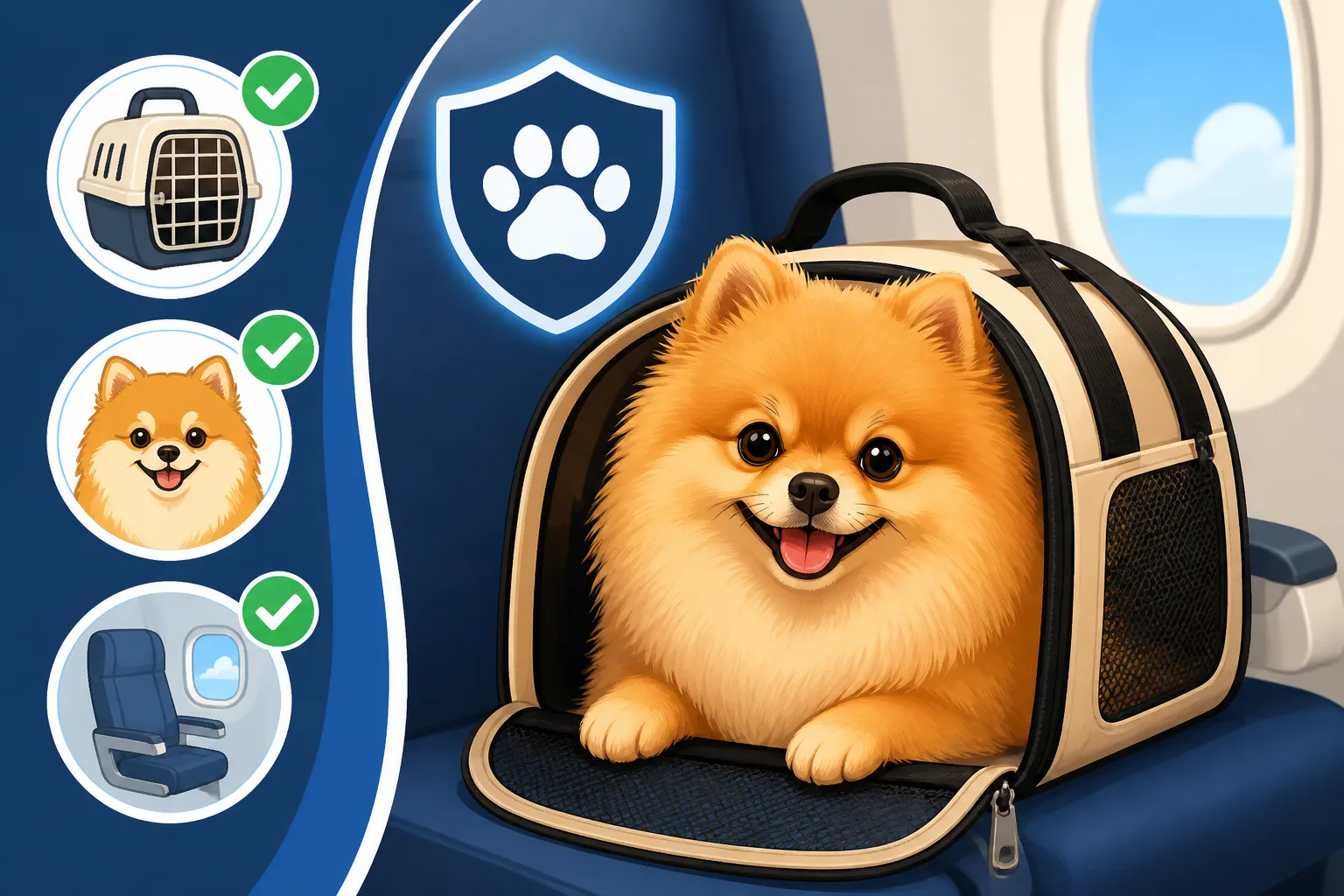
Your Pomeranian's travel carrier isn't just a convenience; it's their safe space and, quite literally, their ticket to ride in the cabin with you. Airlines typically mandate soft-sided carriers for in-cabin travel because they can conform to the tight space under the seat. These carriers must be well-ventilated, leak-proof, and large enough for your Pom to stand up, turn around, and lie down comfortably, without their head touching the top. While your Pom might only weigh a few pounds, having enough room to shift positions is crucial for their comfort during the flight.
Think of it as your Pom's personal little suite for the journey. It needs to be cozy, secure, and meet all the airline's stringent requirements. This means no rigid, hard-sided crates for in-cabin travel. You'll find many excellent options that are airline-approved, often advertised as such. Companies like Chewy offer a wide selection of compliant carriers, so you can measure your Pom and choose one that fits both them and the typical airline dimensions. Don't skimp here; a cheap, flimsy carrier could lead to a very uncomfortable or even unsafe experience for your little one. For a deeper dive into choosing the right travel gear, you might find Carriers and Slings for a Pomeranian helpful.
Booking Early: The Race for Limited Pet Spots
This is a critical piece of advice that many first-time Pom-flying parents overlook: airlines only allow a very limited number of pets in the cabin per flight. We're talking sometimes as few as two to four animals. These spots are allocated on a first-come, first-served basis, and they fill up fast, especially on popular routes or during holiday seasons. Waiting until the last minute to add your Pomeranian to your reservation is a recipe for disappointment and could leave you scrambling for alternative travel plans.
As soon as you book your ticket, or even before if the airline allows, call the airline directly to reserve a pet spot. Don't rely solely on online booking systems, as they might not always reflect real-time availability. Speaking to a human agent can confirm the space and get your Pom's name officially on the manifest. It's a small breed, but a huge deal to you, and those limited spots are often the biggest stressor for pet owners. If you're traveling with someone else, remember that most airlines only permit one pet per passenger, so you can't have two Poms under one seat, even if they're tiny.
Navigating Airline-Specific Regulations for Your Pomeranian
Each airline is a kingdom unto itself when it comes to pet travel. What works for one might be a complete no-go for another. It's not enough to know some rules; you need to know their rules. This is where meticulous planning truly pays off.
Common Airline Requirements You'll Encounter
Beyond the carrier size, airlines have a host of other requirements. Most will demand a health certificate from your veterinarian, issued within a specific timeframe (often 10 days) of your travel date. This certificate confirms your Pomeranian is healthy enough to fly and up-to-date on necessary vaccinations. Your vet will conduct a thorough examination, which is also a good opportunity to discuss any concerns about travel stress or motion sickness. Anesthesia Risk in a Four Pound Pomeranian touches on general health considerations for small dogs, emphasizing the importance of vet consultations.
Some airlines might have breed restrictions, although Pomeranians are generally not on those lists for in-cabin travel. However, brachycephalic (short-nosed) breeds are often restricted, especially from cargo, due to breathing difficulties. While Poms have a relatively short muzzle compared to some breeds, they are not typically classified as brachycephalic in the same way a Bulldog or Pug would be, but it’s always wise to check if you have any doubts about your specific dog's facial structure. Always, always check the specific airline's pet policy page on their website, and then call to confirm. Screenshots and notes are your best friends here.
Fees and Documentation: The Hidden Costs and Paperwork
Flying with your Pomeranian in the cabin isn't free. There's almost always a fee, and it can vary significantly between airlines. These fees are usually per pet, per one-way trip, so a round trip means paying twice. While I can't give you exact numbers, be prepared for costs that range from moderate to substantial. These fees are separate from your own ticket price and are non-refundable if you cancel your trip. Factor this into your overall travel budget. What a Pomeranian Carrier Costs covers some related expenses, but airline fees are in a category of their own.
Beyond the health certificate, you might need proof of rabies vaccination, and if you're flying internationally, the paperwork can become incredibly complex. Different countries have different import requirements, including microchipping, specific vaccination timelines, and even quarantine periods. Start researching international travel requirements months in advance. A good pet insurance plan, like those offered by Healthy Paws, can provide peace of mind for unexpected vet visits, especially if you're traveling to a new area where you don't know the local vets. They won't cover the airline fees, but they can be a lifesaver for health emergencies.
The Day of Travel: Airport Procedures and In-Flight Expectations
On the day of your flight, arrive at the airport earlier than you normally would. You'll need extra time to check in, especially if you have to go to the counter for pet verification. Your Pomeranian must remain in their carrier at all times in the airport terminal and on the plane. The only exception is during security screening, where you'll typically need to remove your Pom from the carrier and carry them through the metal detector while the empty carrier goes through the X-ray machine. This can be a moment of stress for both of you, so practice being handled and held securely.
Once onboard, your Pomeranian's carrier must remain under the seat in front of you for the entire flight. This means no taking them out to cuddle, even if they whine a little. It's for their safety and the comfort of other passengers. Make sure their carrier is equipped with absorbent padding, and consider a small, leak-proof water bowl if allowed. Whether a Pomeranian Travels Well is a good read to gauge how your specific Pom might handle the experience, and what you can do to support them. Some Poms are seasoned travelers, while others find it quite overwhelming.
Preparing Your Pomeranian for a Stress-Free Flight
Successfully flying with your Pomeranian isn't just about adhering to rules; it's about making the experience as comfortable and low-stress as possible for your tiny companion. A little preparation goes a very long way.
Acclimating Your Pom to the Carrier
The carrier should be a happy place, not just a travel confinement device. Start getting your Pomeranian used to their carrier weeks, or even months, before your flight. Leave it open on the floor with treats and favorite toys inside. Feed them meals in the carrier. Encourage them to nap in it. The goal is for them to associate the carrier with comfort and security, not just being trapped.
Practice zipping them inside for short periods, gradually increasing the duration. Take them on short car rides in the carrier to simulate movement. You want them to be calm and relaxed when inside, not panicking or frantically trying to escape. A familiar blanket or a piece of your clothing inside the carrier can provide a comforting scent. Remember, this isn't just a physical container; it's going to be their entire world for several hours. This preparation will make a huge difference in their overall demeanor during travel.
Potty Breaks and Hydration Strategies
Flying is tough on bladders! Ensure your Pomeranian has ample opportunities to relieve themselves right before entering the airport. Many airports now have dedicated pet relief areas, some even indoors. Take advantage of these. Once you're past security, options become scarce until you reach your destination. Consider using pee pads inside the carrier for emergencies, though most airlines prefer carriers to be clean and dry. For very long flights, this becomes even more critical.
Hydration is also important. Offer water frequently before you enter the terminal. During the flight, some airlines allow a small water dish that attaches to the carrier door, or you can offer water from your hand or a small cup during allowed times, such as after takeoff when cruising altitude is reached, or before descent. Be mindful not to over-hydrate right before the flight, however, as this can increase the need for potty breaks. How Often a Pomeranian Puppy Needs to Eat or Whether a Pomeranian Puppy Can Skip a Meal might offer insights into managing meal times around travel for younger Poms. For adult Poms, consider feeding a lighter meal several hours before the flight to prevent an upset stomach.
Keeping Your Pomeranian Calm During Travel
Anxious Pomeranians can make for a very stressful flight. Talk to your vet about options for calming your Pom. For some, a familiar toy or a favorite chew can provide distraction. For others, a calming supplement or even a mild sedative prescribed by your vet might be necessary, especially if your Pom is prone to high anxiety or car sickness. Never give any medication without veterinary guidance.
Consider bringing some small, high-value treats to reward calm behavior. A quiet puzzle toy small enough for a Pomeranian can also keep their mind occupied. Puzzle Toys Small Enough for a Pomeranian details some great options. Remember, your calm demeanor will also help your Pom. If you're stressed, they're likely to pick up on it. Try to speak to them in soothing tones and reassure them, even if they're in the carrier. Products like calming sprays or diffusers containing dog-appeasing pheromones can also be helpful for some dogs when applied to the carrier. Investing in good quality food like Ollie can also contribute to overall health and well-being, which indirectly supports a dog's resilience to stress.
What to Do If Your Pomeranian Can't Fly In-Cabin
Sometimes, despite your best efforts, flying your Pomeranian in the cabin simply isn't an option. Maybe all the pet spots are booked, or you're traveling on an airline with stricter rules. It's a bummer, but it doesn't mean your trip is cancelled.
Exploring Ground Travel Alternatives
If air travel with your Pom in the cabin isn't feasible, consider ground transportation. For shorter distances, a car trip might be a much less stressful option for both of you. You can take frequent potty breaks, control the environment, and your Pom can often sit more freely and comfortably. This is often the preferred choice for many small dog owners, as it eliminates many of the airline-related anxieties.
For longer distances, you might look into pet-friendly trains or buses, though these also come with their own set of rules and limitations regarding pet size and carrier requirements. Some private pet transport services specialize in door-to-door ground travel for pets, offering a more luxurious and less stressful experience, though this can be significantly more expensive. The key is to explore all alternatives before feeling pressured into something that might not be right for your Pomeranian.
When Cargo is the Only Option (and why it's a last resort for Poms)
This is a tough one for many Pomeranian owners, and frankly, for owners of any small breed. While some larger breeds routinely fly in cargo, it is generally considered a last resort for Pomeranians due to their small size and delicate nature. The cargo hold is a very different environment from the cabin—it's loud, can have fluctuating temperatures, and is often handled by multiple people. The stress and potential risks for a tiny dog like a Pomeranian can be substantial. Many airlines have also significantly restricted or even banned brachycephalic breeds from cargo due to respiratory issues at altitude, though Poms typically don't fall into this category.
If you are absolutely forced into a situation where cargo is the only option, ensure the airline has a robust pet safety program. Research their temperature restrictions (they won't fly animals if it's too hot or too cold on the tarmac or at the destination). Use an IATA-compliant, sturdy crate, clearly labeled with "Live Animal," your contact information, and "This Way Up" arrows. Provide absorbent bedding and a water dispenser that can't tip over. However, for a breed as small and companion-oriented as a Pomeranian, most owners go to great lengths to avoid cargo travel, and it's a very understandable stance. The concern for their well-being is always paramount.
| Aspect of Travel | In-Cabin Travel (Pomeranian) | Cargo Travel (Generally Discouraged for Poms) |
|---|---|---|
| Location | Under seat in front of owner | Temperature-controlled hold beneath the plane |
| Carrier Type | Soft-sided, flexible | Hard-sided, IATA-compliant crate |
| Weight Limit | Carrier + pet combined, airline-specific (often 20-25 lbs) | Carrier + pet combined, often much higher |
| Access to Pet | No direct access during flight, visual reassurance possible | No access during flight, minimal interaction |
| Temperature | Same as cabin | Managed, but can be variable; weather restrictions |
| Stress Level | Generally lower for pet | Potentially very high for pet |
| Cost | Varies (moderate fee) | Varies (can be higher fee) |
| Documentation | Health certificate (often within 10 days), vaccine records | More extensive, potentially international documents |
| Booking | Limited spots, book far in advance | Book far in advance, strict drop-off/pickup times |
Ultimately, flying with your Pomeranian in the cabin is a possibility, but it demands diligence, preparation, and a healthy dose of patience. By understanding the rules, planning meticulously, and prioritizing your Pom's comfort, you can make those travel dreams a reality.
Disclaimer
This article is for general informational purposes only and does not constitute professional advice. Laws, prices and regulations vary by location and change over time. Consult a qualified professional for guidance on your specific situation.