Whether a Show Quality Pomeranian Costs More
It’s a common question that pops up when you start looking for a Pomeranian puppy: you see a range of prices, and often, the words "show quality" come with a significantly higher tag. It can feel confusing, almost like you’re being pressured into buying something you don’t fully understand, especially if you just want a loving pet. This guide will walk you through what "show quality" truly means for a Pomeranian, why these dogs cost more, and what that extra investment entails, so you can make an informed decision without feeling overwhelmed.
Understanding "Show Quality" in Pomeranians
When a breeder talks about a "show quality" Pomeranian, they're not just throwing around fancy terms to inflate the price. They are referring to a puppy or adult dog that closely adheres to the breed standard, which is essentially the blueprint for what a perfect Pomeranian should look like and how it should behave. This standard covers everything from physical appearance to temperament, all aimed at preserving the unique characteristics of the breed.
What Makes a Pomeranian "Show Quality"?
A show quality Pomeranian is judged on a very specific set of criteria. Imagine walking into a conformation show – it’s not just about a cute face, though Poms certainly have those in spades! Judges are looking for a compact body, a short back, and a specific structure that allows for a distinctive, light-footed movement. The head should be wedge-shaped, with small, erect ears and bright, dark eyes that give an alert, intelligent expression. Then there's that magnificent double coat, which is truly the breed's crowning glory. It needs to be dense, with a harsh, long outer coat and a soft, fluffy undercoat, giving the dog that characteristic "stand-off" appearance, especially around the neck where it forms a profuse ruff. They also assess tail set and carriage, looking for a high-set tail that lies flat and straight over the back.
Beyond just looks, temperament plays a huge role. A show Pomeranian needs to be confident, outgoing, and willing to be handled by strangers (the judge, in this case). They should be eager to please and carry themselves with an air of self-importance. A shy or aggressive dog, no matter how physically perfect, would not fare well in the ring. This combination of physical precision and desirable personality is what elevates a Pomeranian to "show quality." You can read more about The Weight the Pomeranian Standard Requires and The Stand Off Coat a Pomeranian Must Have to get a better idea of what judges are looking for.
The Breeder's Investment in Show Lines
The journey to producing show quality Pomeranians is a long, expensive, and deeply committed one for a breeder. It begins with careful selection of breeding stock, often importing dogs from champion lines or investing in high-quality stud services. These dogs aren't just bought off a whim; they are chosen for their genetics, their adherence to the breed standard, and their health clearances. Breeders dedicated to the show ring will put their dogs through rigorous health testing for conditions common to the breed, such as patellar luxation, cardiac issues, and eye problems. This isn't just a one-time thing; it's an ongoing process of screening parents to ensure they pass on the best possible genes.
The financial outlay doesn't stop there. Entering dog shows involves entry fees, travel expenses, professional handling (if the breeder doesn't handle the dog themselves), and specialized grooming products and services to keep that magnificent coat in pristine condition. There's also the time commitment – hours spent training, grooming, and traveling to shows, often across states or even internationally. All these elements accumulate, significantly increasing the cost of producing a litter where some puppies might possess that elusive show potential. This intensive investment is a major reason Why a Health Tested Pomeranian Starts at Fifteen Hundred dollars, and often much more for true show prospects.
The Price Difference: Show Quality vs. Pet Quality
It's natural to wonder why a tiny fluffball can command such a high price tag. The distinction between show quality and pet quality often comes down to the meticulous standards discussed above, and the varying levels of investment breeders put into their breeding programs.
Initial Purchase Price
The initial purchase price for a show quality Pomeranian puppy is almost always higher than that of a pet quality puppy, sometimes by a significant margin. A pet quality Pomeranian, while still a purebred dog from a reputable breeder, might have a minor fault that disqualifies it from the show ring but has absolutely no impact on its health or its ability to be a wonderful companion. Perhaps its tail isn't set perfectly, or its ear size is just a touch off, or maybe its coat isn't quite as dense as a judge would prefer. These are cosmetic issues, not health problems. A show prospect, however, is a puppy that the breeder genuinely believes has the potential to excel in conformation, meaning it embodies the breed standard as closely as possible.
Consider a breeder who spends years building their lines, travels to dog shows, and invests in extensive health testing for their breeding dogs, which is crucial for the breed. This dedication means they’re often selling puppies with exceptional health guarantees and a known pedigree. When you factor in all of this, plus the possibility that the puppy could become a champion, the price naturally reflects that potential and the breeder's immense effort. For a deeper dive into the general costs, check out What a Pomeranian Puppy Costs and Why Colors Change It.
| Feature | Pet Quality Pomeranian | Show Quality Pomeranian |
|---|---|---|
| Initial Cost | Moderate to High | Significantly Higher |
| Breed Standard | Meets most, minor cosmetic faults | Closely adheres, minimal faults |
| Health Testing | Parents health tested | Parents extensively health tested |
| Pedigree | Known, often includes champions | Strong, often champion-filled |
| Purpose | Companion animal | Conformation competition, potential breeding |
| Ongoing Maintenance | Standard care | Intensive grooming, specialized care |
| Time Commitment | Typical pet ownership | Significant, for training, grooming, shows |
Ongoing Costs for a Show Quality Pomeranian
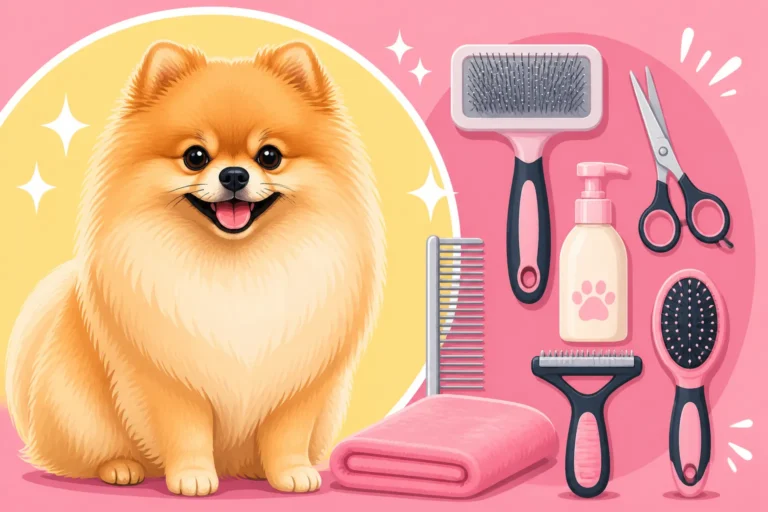
The initial purchase price is just the beginning. Owning a show quality Pomeranian, even if you never intend to show it yourself, often comes with higher ongoing costs due to the inherent qualities of the dog and the expectations of its care. That magnificent double coat, for instance, requires diligent grooming. We’re talking professional tools and potentially frequent visits to a groomer specializing in Poms to maintain its texture and volume. The Grooming Bill Nobody Warns a Pomeranian Owner About can be substantial, with each appointment easily running into the numbers discussed in The 60 to 90 Dollar Pomeranian Grooming Appointment. If you're hoping to show the dog, or even just keep it looking its best, you might invest in premium shampoos, conditioners, and regular blow-drying sessions at home.
Beyond grooming, the diet for a show dog might be more specialized. Breeders often recommend specific high-quality foods to support coat health, energy levels, and overall vitality. While any Pomeranian benefits from good nutrition, a show dog's diet might be even more tailored. Services like Ollie, for example, offer fresh, human-grade food that many owners feel provides optimal nutrition, which can be a higher expense compared to standard kibble from Chewy. Furthermore, veterinary care for any purebred dog can be an ongoing expense, but owners of show quality dogs often go the extra mile with routine check-ups, preventative care, and sometimes even specialized supplements to ensure peak health. Having pet insurance from providers like Healthy Paws can be a wise investment to help manage these costs, especially given that the overall The Eighteen Thousand Dollar Lifetime of a Pomeranian can quickly add up.
Is a Show Quality Pomeranian Worth the Extra Investment for a Pet Home?
This is the big question for many potential owners. You love the look, you appreciate the dedication, but is it truly necessary if you’re only looking for a furry family member? The answer isn't a simple yes or no; it depends heavily on your priorities and what you're willing to commit to.
Benefits for a Pet Owner
Even if you have no intention of stepping foot in a show ring, there are undeniable benefits to bringing a show quality Pomeranian into your pet home. Firstly, the rigorous health testing that goes into breeding show lines means you’re often getting a puppy from parents with excellent health clearances. This doesn't guarantee your dog will never face a health issue, but it significantly reduces the risk of inheriting many common breed-specific ailments, potentially saving you heartache and expensive vet bills down the line. You'll want to ask to see Checking a Pomeranian Breeder's Heart Clearances and other health screening documentation. A well-bred Pomeranian is likely to be structurally sound, which contributes to a longer, healthier, and more active life. You can also explore How Long a Well Bred Pomeranian Actually Lives for more insights into this.
Secondly, show quality Poms often come with exceptionally stable temperaments. Because judges assess temperament as part of the breed standard, breeders strive to produce dogs that are confident, friendly, and outgoing. This means you’re more likely to get a dog that integrates well into family life, is good with visitors, and adapts to various situations with grace. While socialization is always key for any puppy, starting with a naturally well-adjusted dog makes the process smoother. Finally, there's the sheer beauty. A show quality Pomeranian embodies the iconic look of the breed – that luxurious coat, the bright eyes, the foxy expression. If you dream of having a Pomeranian that turns heads and embodies the quintessential image of the breed, then a show quality dog will deliver on that aesthetic promise.
Potential Downsides and Realities
While the benefits are appealing, it’s crucial to be realistic about the potential downsides of owning a show quality Pomeranian, especially if your primary goal is pet companionship. The most obvious is the cost, not just the initial purchase, but the ongoing commitment. That exquisite coat, while beautiful, is a lot of work. We're talking regular, thorough brushing sessions – daily, if possible – to prevent mats and maintain its "stand-off" appearance. If you slack on grooming, you risk discomfort for your dog and potentially costly visits to a professional groomer to address severe matting. This dedication to grooming might be more than the average pet owner anticipated, and if you can’t commit, the dog won’t look its best, which can be frustrating.
Another reality is that a breeder’s primary focus for a show quality puppy is its potential in the ring or for future breeding. This means they will have specific expectations regarding its care, diet, and perhaps even its future showing if you acquire it with a co-ownership agreement or similar contract. It’s vital to understand The Papers a Pomeranian Breeder Should Provide and any clauses within the contract. You might find yourself bound by certain rules or recommendations that require more time or financial resources than you initially planned for a pet. While many breeders are happy for their show prospects to go to loving pet homes, their passion for the breed standard means they will want to ensure the dog's upkeep reflects that quality.
Finding a Reputable Breeder for Any Pomeranian
Regardless of whether you decide on a pet quality or show quality Pomeranian, the absolute most important step is finding a reputable breeder. This decision impacts not only the initial cost but the long-term health, temperament, and overall well-being of your future furry family member.
What to Look for in a Breeder
A reputable Pomeranian breeder will be transparent, knowledgeable, and genuinely passionate about the breed. They won't just sell you a puppy; they'll interview you extensively, ensuring their puppies go to suitable homes. They should openly discuss health testing for their breeding dogs, providing verifiable results for conditions like luxating patellas, cardiac health, and eye clearances. They understand that transparency builds trust, and they'll likely belong to breed clubs, which signifies their commitment to upholding breed standards and ethics. They'll also be happy to provide references from previous puppy buyers. Be wary of any breeder who pushes for a quick sale, refuses to let you meet the puppy's parents, or can't answer your questions thoroughly about the breed's health and temperament.
A good breeder also provides ongoing support. They'll be there to answer your questions and offer advice throughout your dog's life, showing that their commitment extends far beyond the point of sale. They should also provide a comprehensive health guarantee and a contract that outlines responsibilities for both parties. Additionally, look for breeders who raise their puppies in a stimulating, clean home environment, exposing them to various sights, sounds, and experiences to ensure they are well-socialized before going to their new families. When you’re looking at breeders, consider asking about What a Pomeranian Breeder Takes to Hold a Puppy and how they handle their waiting lists.
Questions to Ask About Pricing and Quality
When discussing prices with a breeder, don't be shy about asking direct questions, but always do so respectfully. Ask them to explain the difference in pricing between their pet quality and show quality puppies. What specific characteristics or potentials justify the higher cost for a show prospect? Are there any minor faults on a pet quality puppy that you should be aware of, and how do they impact the dog's life? A good breeder will clearly articulate these differences and help you understand the value proposition.
It’s also crucial to clarify any clauses related to showing or breeding if you're interested in a show quality puppy but plan to keep it as a pet. Will there be any restrictions on its registration? Will it be sold on a spay/neuter contract, or with limited registration if it's a pet quality dog? Understanding these terms upfront will prevent misunderstandings down the road. For example, if you're bringing a male Pomeranian home, you might want to know whether neutering changes a Pomeranian's lifespan or how it impacts its coat. Always remember that the most expensive puppy isn't always the best, and the cheapest puppy can often come with the most hidden costs. Invest your time in finding the right breeder, and you'll find the right Pomeranian, no matter its "quality" designation.
Disclaimer
This article is for general informational purposes only and does not constitute professional advice. Laws, prices and regulations vary by location and change over time. Consult a qualified professional for guidance on your specific situation.