What a Parti Colored Pomeranian Costs
Bringing a Pomeranian into your life is an absolute joy, but when you start looking at puppies, you quickly realize that prices can swing wildly, especially when you have your heart set on a specific look. If you've fallen in love with the charming, distinctive markings of a Parti Colored Pomeranian, you might be wondering what exactly goes into their pricing and why some seem to cost so much more than others. This guide is here to shed some light on the various factors that influence the cost of these beautiful pups, helping you understand what to expect beyond that initial purchase price.
Understanding "Parti" in Pomeranians
The term "Parti" can sometimes feel a bit mysterious to new Pomeranian enthusiasts, but it simply refers to a very specific, and highly sought-after, coat pattern. It's truly something special, and once you see a well-marked Parti, it's easy to understand why they capture so many hearts.
What Exactly is a Parti Pomeranian?
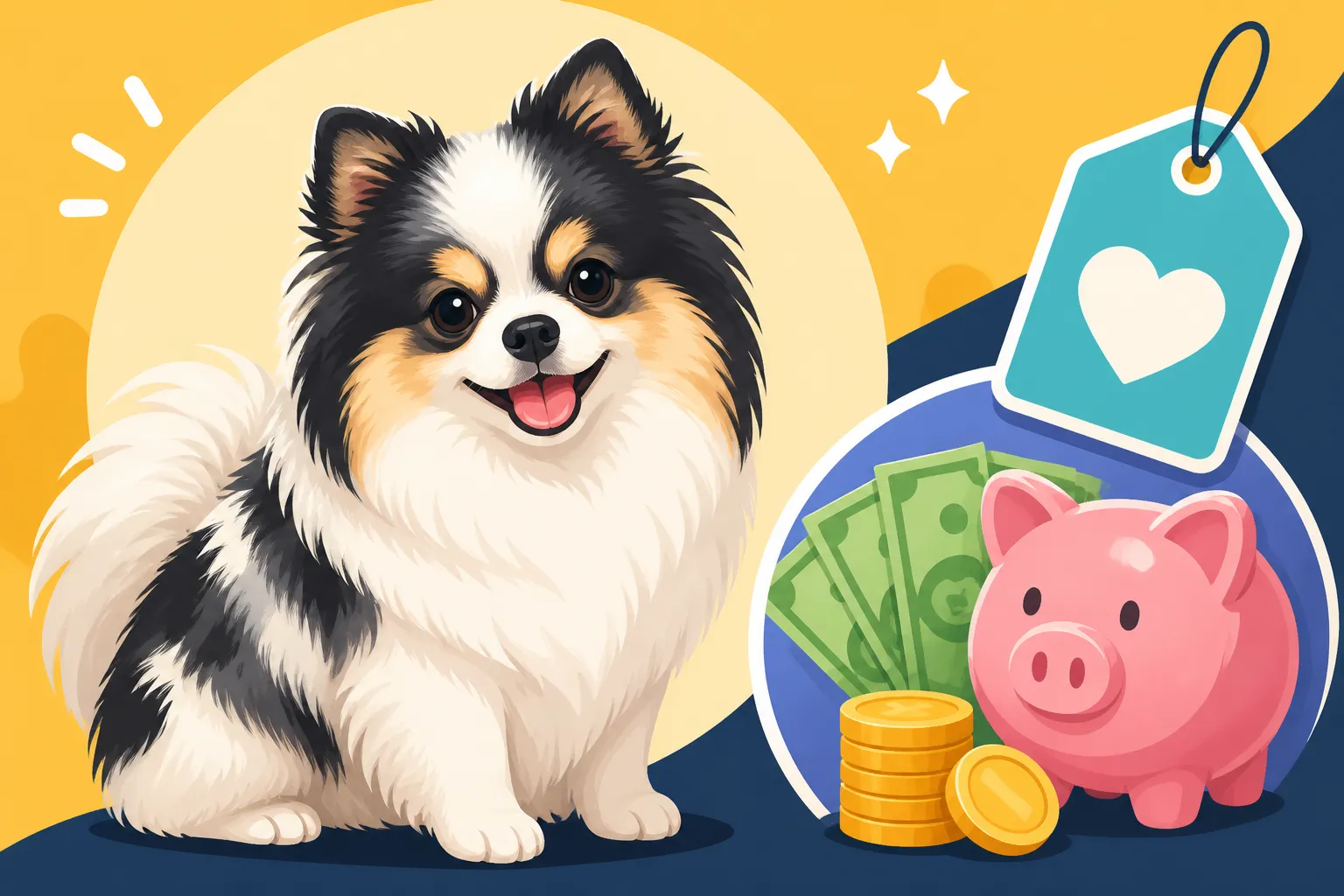
A Parti Colored Pomeranian is a dog that has a base coat of white, with distinct, solid patches of another color. Think of it like a canvas of pure white, adorned with splashes of black, orange, sable, chocolate, or any of the other recognized Pomeranian colors. These patches can be anywhere on the body, from the ears and eyes to the back, tail, and legs. Unlike a dog with just a small white chest blaze or white toes, a true Parti will have more than 50% white in its coat, with clearly defined color markings. The symmetry of these markings can often influence desirability, but even a slightly asymmetrical Parti is absolutely stunning. It’s a genetic lottery, really, which makes each one unique and can contribute to their perceived value.
Why Parti Costs Can Vary Wildly
It’s completely normal to feel a bit confused when you see a Parti Pomeranian advertised for what seems like a low price, and then another for thousands more. This isn’t just about the "Parti" coloring itself. So many factors come into play, from the breeder's dedication to health and temperament, to the specific lineage of the parents, and even the geographic location of the kennel. A breeder who invests heavily in health testing, proper nutrition for their breeding dogs, and early socialization for their puppies will, understandably, have higher overhead costs. These costs are then reflected in the puppy's price. Conversely, someone selling a puppy at a suspiciously low price might be cutting corners in critical areas, which could lead to significant expenses for you down the line. It's a classic case of "you get what you pay for," and with living, breathing creatures, that can mean the difference between a lifetime of joy and a lifetime of costly medical issues.
Key Factors Influencing Parti Pomeranian Pricing
When you’re looking at that adorable Parti puppy, it’s hard to think beyond its fluffy cuteness. But behind that initial price tag are a multitude of decisions and investments made by the breeder. Understanding these can help you appreciate why some Parti Poms command a higher price, and why those prices are often justified.
Breeder Reputation and Health Clearances
This is, without a doubt, one of the most significant factors in a Pomeranian’s price, Parti colored or otherwise. A truly responsible breeder isn't just someone who puts two cute dogs together and waits for puppies. They are dedicated to improving the breed, ensuring the health and well-being of their animals, and providing lifetime support to their puppy buyers. This means a lot of upfront investment.
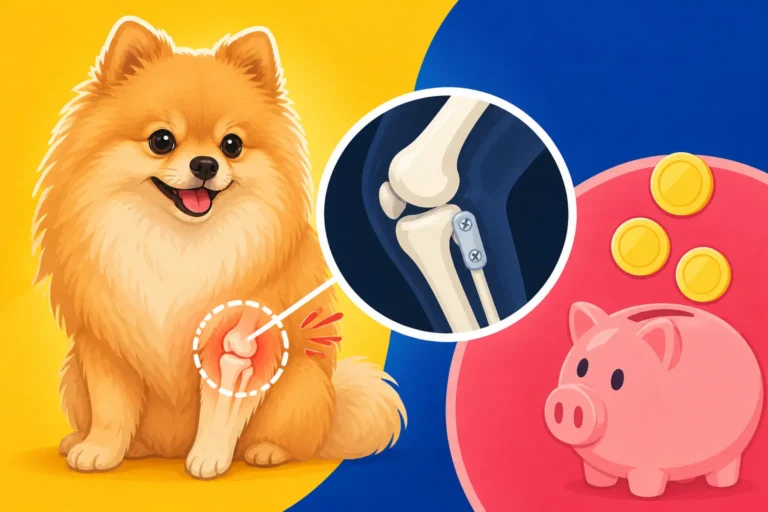
Reputable breeders will spend considerable amounts on health clearances for their breeding dogs. We're talking about extensive veterinary checks for conditions common in Pomeranians, such as luxating patellas (slipping kneecaps), heart defects like patent ductus arteriosus (PDA), and certain eye problems. They'll have OFA certifications for knees and elbows, and often consult with veterinary cardiologists and ophthalmologists. This rigorous testing isn't cheap, but it dramatically reduces the likelihood of passing on genetic conditions that could cost you thousands in vet bills and immeasurable heartache later on. When a breeder charges a higher price, a good portion of that goes towards these preventative measures. This commitment to health is why you might see an article like Why a Health Tested Pomeranian Starts at Fifteen Hundred – it’s a reflection of due diligence.
Furthermore, a reputable breeder provides comprehensive care for the dam during pregnancy and the puppies after birth, including proper nutrition, early socialization, and initial veterinary care like deworming and first vaccinations. They also screen potential buyers thoroughly to ensure their puppies go to loving, appropriate homes. All these steps add value and, consequently, cost to the puppy.
Color and Markings
While "Parti" describes the pattern, the specific colors within those patches can also influence pricing. Common Parti combinations, such as orange and white parti or black and white parti, might be priced differently than "rarer" colors like blue and white parti, or chocolate and white parti. Sometimes, these "rare" colors are indeed harder to produce, but sometimes their increased price is simply due to market demand and perception.
It's also important to be cautious when breeders market certain colors as "exotic" and charge exorbitant fees. For example, merle Pomeranians, while striking, carry specific genetic risks. Breeding two merle Poms together can result in what's known as "double merle," which often leads to severe health issues like deafness and blindness. Responsible breeders generally avoid this, and some breed clubs have strong objections to merle breeding altogether, which is a topic explored in articles such as Why Breed Clubs Object to Merle Pomeranians. This doesn’t mean a merle Parti is inherently bad, but it does mean you need to be extra diligent about the breeder's practices. Similarly, you might wonder What a Merle Pomeranian Sells For and find it's often higher, but understand the associated risks.
The distribution and clarity of the Parti markings themselves can also play a role. A puppy with very distinct, evenly placed patches might be considered more desirable, especially if being sold with show potential, than one with muddier or less defined markings.
Pedigree and Show Potential
Another significant driver of a Parti Pomeranian's cost is its pedigree and whether it comes from champion lines. If the puppy's parents or grandparents have won titles in conformation shows, demonstrating they meet the breed standard for structure, temperament, and movement, the puppies from such a lineage will naturally command a higher price. This is because these titles are a testament to the quality of the breeding stock and the breeder's success in producing excellent examples of the breed.
A breeder might identify certain puppies in a litter as having "show potential" – meaning they possess the ideal structure, coat, and temperament to excel in the show ring. These puppies are usually priced higher than their "pet quality" littermates. Even if you have no intention of showing your Pomeranian, buying a puppy from show lines often means you’re getting a dog that is structurally sound and adheres closely to the breed standard, which usually translates to good health and temperament. This distinction is often the difference between a dog sold with "full registration" (allowing breeding and showing) and "limited registration" (pet only, requiring spay/neuter). If you're curious about the premium, you might find articles discussing Whether a Show Quality Pomeranian Costs More insightful.
Beyond the Purchase Price: Hidden Costs of a Parti Pomeranian
It's easy to get fixated on the initial cost of a Parti Pomeranian puppy, but any seasoned dog owner will tell you that the purchase price is often just the tip of the iceberg. True ownership involves a long-term financial commitment, and it's crucial to budget for these ongoing expenses to ensure your fluffy companion lives a happy, healthy life.
Initial Setup Costs and Supplies
Bringing a new Pomeranian home, especially a puppy, means you'll need to stock up on quite a few essentials right away. Don't underestimate this initial outlay, as it can add several hundred dollars to your immediate expenses. Think about the basics:
- Food and Water Bowls: Small, sturdy bowls are a must.
- Collar and Harness: For a Pomeranian, a harness is often preferred over a collar to protect their delicate trachea. A well-fitting, comfortable harness is essential. You can explore options at retailers like Chewy. Getting the right fit is crucial, as discussed in Harnesses Fitted for a Pomeranian's Windpipe.
- Leash: A lightweight leash that won't strain their tiny neck or back.
- Crate or Playpen: Essential for house training and providing a safe space.
- Dog Bed: A soft, cozy spot for them to rest.
- Toys: A variety of safe, size-appropriate toys to keep them entertained and prevent boredom chewing.
- Grooming Supplies: Even if you plan on professional grooming, you'll need a good quality slicker brush, a metal comb, shampoo, and nail clippers for home maintenance. The double coat of a Pomeranian requires regular attention.
- Initial Vet Visit: Even if the breeder provided initial vaccinations, a visit to your own vet for a health check and to establish care is vital.
- Puppy Pads/House Training Aids: For those inevitable accidents during the house training phase.
These items add up quickly, and investing in good quality, durable products from the start can save you money in the long run.
Ongoing Care: Grooming, Food, and Vet Bills
Once your Parti Pomeranian is settled, the recurring costs begin. These are the expenses that will be with you for the entirety of your dog's life, which can be a decade or more.
- Grooming: That glorious double coat needs regular attention. If you opt for professional grooming, you're looking at appointments every 4-8 weeks, and the cost can be significant. Many owners spend considerable amounts, as highlighted in "The Grooming Bill Nobody Warns a Pomeranian Owner About." If you decide to tackle it at home, you'll save on professional fees but will still need to invest in high-quality tools and your time.
- Food: Pomeranians are small, so they don't eat a huge amount, but quality matters. Feeding a dog that weighs what a Pomeranian weighs means choosing a premium small-breed kibble or exploring fresh food options. Companies like Ollie offer personalized fresh meal plans that can be excellent for their health but often come at a higher price point than traditional kibble. Investing in good nutrition can pay dividends in health and vitality.
- Routine Vet Care: Annual check-ups, booster vaccinations, flea and heartworm prevention are all ongoing costs. These preventative measures are crucial for keeping your Pomeranian healthy and catching any issues early.
- Dental Care: Pomeranians are notoriously prone to dental disease due to their small, crowded mouths. Daily tooth brushing is ideal, but even with the best home care, many Poms will need professional dental cleanings under anesthesia every few years. This can be a significant expense, making it a critical part of their overall care budget.
Health Insurance and Emergency Funds
Perhaps the most unpredictable, but potentially largest, cost for any dog owner is unexpected veterinary care. Pomeranians, like all purebreds, are prone to certain genetic conditions or accidents that can lead to costly treatments or surgeries.
Conditions such as collapsing trachea, luxating patellas, and heart issues can require ongoing medication or even surgical intervention. Accidents, like falls from furniture (which can be devastating for their small frames and joints), are also a risk. These emergencies can quickly rack up bills into the thousands.
This is where pet insurance comes in. Companies like Healthy Paws offer various plans that can help offset the financial burden of unexpected illnesses or injuries. While there's a monthly premium, having insurance can provide immense peace of mind, knowing you won't have to make difficult decisions based solely on cost if your beloved Parti Pom needs urgent care. It's smart to explore insurance options early, as conditions often become "pre-existing" and aren't covered if diagnosed before the policy begins. Thinking about the potential lifetime costs, which for a Pomeranian can easily reach The Eighteen Thousand Dollar Lifetime of a Pomeranian, makes budgeting for health eventualities absolutely vital. Even if you choose not to get insurance, it's wise to have a dedicated emergency fund specifically for your dog's medical needs.
Cost Comparison: Parti Pomeranian Pricing Factors
To give you a clearer picture, here's a general breakdown of how different factors might influence the price range of a Parti Pomeranian. Please remember these are broad estimates and actual prices will depend heavily on your location, the specific breeder, and market demand.
| Factor | Influence on Initial Purchase Price | Typical Range for Initial Price (USD) | Additional Annual Costs (Estimate) |
|---|---|---|---|
| Backyard Breeder/No Health Testing | Lower | $800 – $2,000 | Potentially very high |
| Reputable Breeder/Pet Quality | Moderate to High | $2,000 – $4,000 | Moderate |
| Reputable Breeder/Show Potential | High | $4,000 – $7,000+ | Moderate to High |
| "Rare" Coloration (e.g., Merle Parti) | Often Higher (Caution Advised) | $3,500 – $6,000+ | Variable, potentially very high |
| Champion Bloodlines | High | $3,500 – $8,000+ | Moderate |
Note: The "Additional Annual Costs" refer to general upkeep (food, routine vet, grooming) and do not include potential emergency medical expenses, which can be thousands of dollars.
Owning a Parti Colored Pomeranian is a wonderfully rewarding experience. Their spirited personalities and stunning coats bring so much joy to a household. However, understanding the true cost goes far beyond the initial purchase price. It involves a commitment to their health, well-being, and ongoing care, ensuring that your unique and beautiful companion lives a long, happy, and healthy life by your side. Budgeting for quality food, regular grooming, routine veterinary care, and an emergency fund or pet insurance, like Healthy Paws, will make all the difference in providing them with the best possible life.
Disclaimer
This article is for general informational purposes only and does not constitute professional advice. Laws, prices and regulations vary by location and change over time. Consult a qualified professional for guidance on your specific situation.