What a Year of Pomeranian Grooming Adds Up To
It’s a tale as old as time for Pomeranian parents: you fall in love with that fluffy ball of sunshine, picturing endless cuddles and adorable antics. What often slips under the radar, however, is the very real, often surprising cost of keeping that magnificent double coat in tip-top condition for an entire year. This guide will walk you through the various expenses you can expect, whether you opt for professional pampering or tackle the brush and clippers yourself, helping you budget for the unique grooming needs of your beloved Pom.
The Professional Grooming Tab: When Experts Step In
Let's be honest, that glorious, stand-off coat your Pomeranian sports is not a wash-and-wear situation. It's a work of art, and sometimes, you need a professional artist to maintain it. Many Pom parents find themselves initially overwhelmed by the sheer volume of hair and the specific techniques required to prevent mats and keep their dog comfortable. Relying on a professional groomer can feel like a luxury, but for many, it's a necessity, especially when life gets busy or if their Pom isn't fond of home grooming sessions.
Standard Full Groom Services
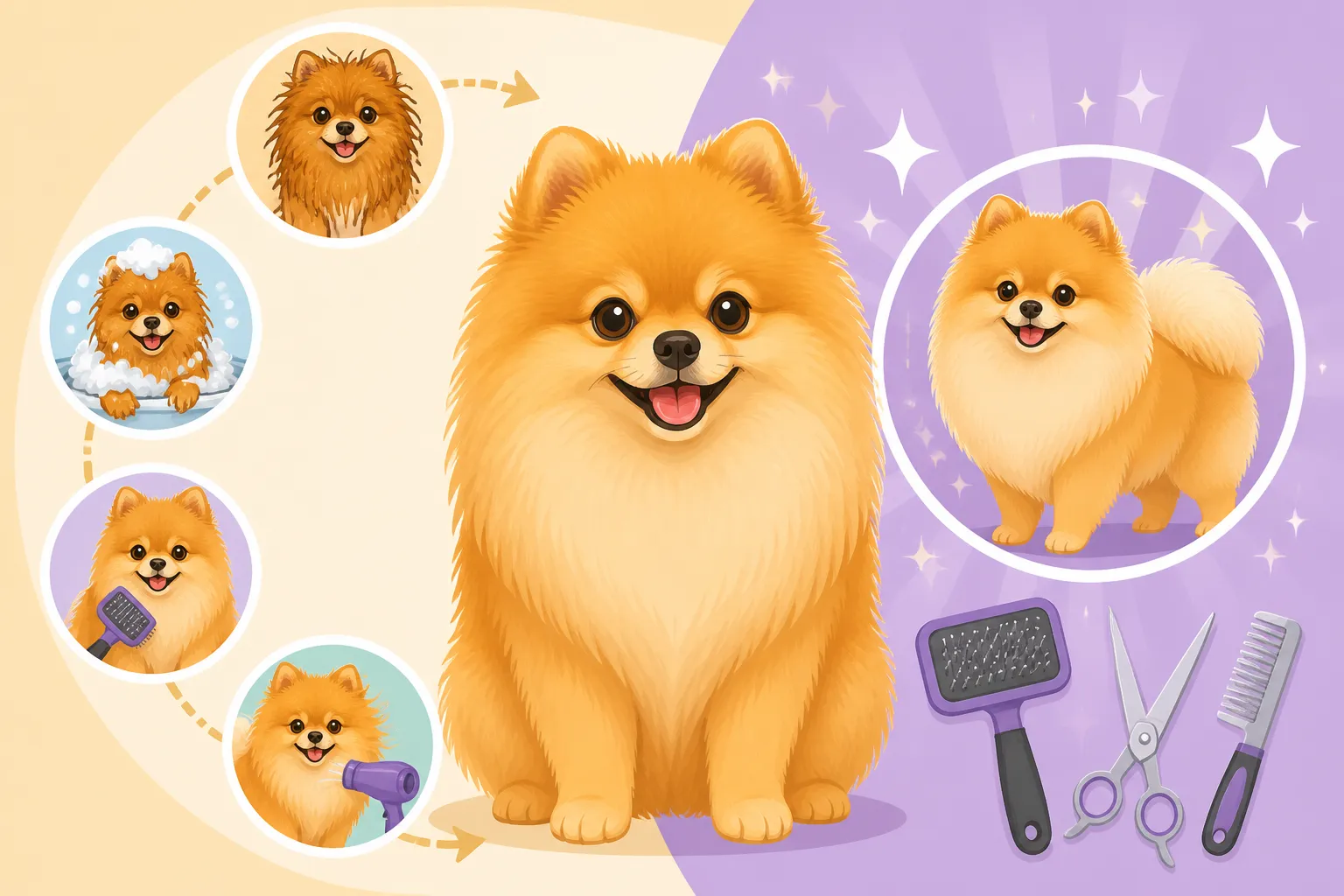
When you take your Pomeranian to a professional groomer, a standard full groom typically includes a thorough bath, blow-dry, brush-out, and a trim. This isn't just a quick wash; it’s a meticulous process designed to maintain the integrity of that thick double coat. The groomer uses specialized shampoos and conditioners that are gentle on canine skin but effective at cleaning the dense fur, followed by careful drying with professional dryers to ensure no damp spots are left behind, which can lead to skin irritation or matting. The brush-out is an art form in itself, aimed at removing loose undercoat and preventing tangles. Finally, a tidy-up trim focuses on the feet, sanitary areas, and sometimes around the face to keep them neat and clean.
The frequency of these appointments can significantly impact your annual cost. Many Pomeranian owners find that a professional groom every 4 to 8 weeks keeps their dog looking and feeling great. If you have a particularly active Pom who loves rolling in dirt or a senior dog whose coat might be more prone to matting, you might lean towards more frequent visits. The exact price for one of these sessions can vary wildly based on your location, the groomer's experience, and the specific needs of your dog's coat, but it's rarely a small sum. You can expect to pay a certain amount per visit, and when you multiply that by 6, 8, or even 12 visits a year, the numbers really start to add up. To give you an idea, many owners report that a single professional groom can fall within the range discussed in "The 60 to 90 Dollar Pomeranian Grooming Appointment."
Specialty Trims and Styling
Beyond the basic tidy-up, some Pomeranian owners love to explore different styling options, and these often come with an extra charge. The "Teddy Bear" cut, for instance, which gives your Pom a softer, more rounded appearance, is incredibly popular. This look requires precise scissor work to shape the coat evenly, often making the dog resemble a cute, fluffy toy. Similarly, a "Lion Cut" involves shaving parts of the body while leaving a mane around the head and a plume on the tail, creating a distinct, majestic look.
While these styles are undeniably adorable, they usually demand more time and skill from the groomer, which translates to a higher price tag. It's also crucial to remember that certain cuts, especially those involving significant shaving, can be detrimental to a Pomeranian's double coat. Removing the protective guard hairs can expose their skin to sunburn and make it difficult for the coat to grow back properly, sometimes leading to permanent damage. This is a topic often discussed, such as in "Whether a Groomer Should Ever Shave a Pomeranian." Always have a detailed conversation with your groomer about the potential risks and benefits before committing to a dramatic style change.
Add-On Services
Just like ordering at your favorite cafe, groomers often offer a menu of add-on services that can quickly inflate your total bill. These services, while optional, often contribute significantly to your Pomeranian's overall health and hygiene.
- Deshedding Treatments: Pomeranians are notorious for their shedding, especially during their "coat blow" seasons. A professional deshedding treatment can help remove a huge amount of loose undercoat, reducing the amount of hair floating around your house.
- Dental Care: While not a substitute for veterinary dental cleanings, many groomers offer teeth brushing or even oral rinses. Given how small and prone to dental issues Pomeranian mouths are, as highlighted in topics like "Dental Disease in a Mouth the Size of a Pomeranian's," this can be a helpful interim measure.
- Anal Gland Expression: This less glamorous, but often necessary, service helps prevent discomfort and potential infections.
- Nail Grinding vs. Clipping: Some groomers offer nail grinding with a Dremel tool instead of traditional clipping. This can result in smoother, shorter nails that are less likely to scratch you or your floors.
- Paw Pad and Ear Cleaning: While usually part of a full groom, specialized cleaning for particularly dirty ears or dry, cracked paw pads might be an extra charge.
These individual add-ons might seem minor, adding a few extra dollars here and there, but over a year of regular grooming appointments, they accumulate into a substantial expense. It's always a good idea to discuss with your groomer which add-ons are truly beneficial for your Pomeranian's specific needs rather than opting for everything every time.
DIY Grooming Expenses: The Cost of Doing It Yourself
Many Pomeranian owners, perhaps after seeing a few too many grooming bills, decide to take matters into their own hands. Home grooming can indeed save you a significant amount of money on professional services, but it's not entirely free. There's an initial investment in tools and an ongoing cost for supplies, not to mention the invaluable investment of your time and effort. As we explored in "What Home Grooming Saves a Pomeranian Owner," the savings can be substantial, but only if you have the right equipment and commitment.
Initial Tool Investment
If you're serious about grooming your Pomeranian at home, you'll need to arm yourself with the right tools. Skimping on quality here can lead to frustration, poor results, and potentially discomfort for your dog.
- Brushes and Combs: A good quality slicker brush and a metal greyhound comb are non-negotiable for a Pomeranian's double coat. The slicker helps de-shed and detangle, while the comb gets down to the skin to check for mats. You might also want a pin brush for fluffing. For a deeper dive into brush selection, check out "The Slicker and Pin Brush a Pomeranian Needs."
- Clippers and Scissors: While many groomers advise against shaving a Pomeranian, having a good pair of blunt-tipped grooming scissors is essential for tidying up around the feet, ears, and sanitary areas. If you plan to do any light trimming, quality clippers with various guard combs will be needed.
- Nail Trimmers or Grinders: Keeping nails short is crucial for your Pom's comfort and joint health. Choose between traditional clippers or an electric grinder, whichever you and your dog are more comfortable with.
- Blow Dryer: A regular human blow dryer can work in a pinch, but a dedicated pet dryer (often called a force dryer) can significantly cut drying time and help "blow out" loose undercoat more effectively without excessive heat.
This initial shopping trip for tools can easily set you back a fair bit, especially if you opt for professional-grade equipment that will last. Think of it as a one-time investment that pays for itself over time compared to regular professional grooming appointments.
Ongoing Supplies
Once you have your core tools, there are consumable supplies you'll need to replenish regularly throughout the year.
- Shampoo and Conditioner: You'll need specialized dog shampoo and conditioner. Pomeranians have sensitive skin and a unique coat, so choosing the right products is important. Look for formulas designed for double coats or sensitive skin, and avoid harsh chemicals. A good resource is "Shampoo That Will Not Flatten a Pomeranian's Coat." The amount you use depends on how often you bathe your Pom, but a bottle or two might last several months.
- Detangling Spray: These sprays are invaluable for working through minor tangles and mats, making brushing easier and more comfortable for your dog. They also add a nice scent and shine.
- Ear Cleaner: Regularly cleaning your Pomeranian's ears can prevent infections. Use a veterinarian-approved ear cleaning solution and cotton balls.
- Dental Supplies: If you're committed to daily tooth brushing (and you really should be!), you'll need canine-specific toothpaste and a small toothbrush. This daily care is crucial given the propensity for dental issues in small breeds, as discussed in "Daily Tooth Care in a Pomeranian's Crowded Mouth."
- Paw Balm: Especially in harsh weather, paw balm can protect your Pom's delicate paw pads from cracking or irritation.
These ongoing supplies might seem like small purchases, but they add up month after month. Consider checking online retailers like Chewy for a wide selection and competitive pricing on these essentials. Many pet product subscriptions can also offer savings on recurring purchases.
Time and Effort Investment
This is perhaps the biggest "cost" of DIY grooming that often goes unacknowledged. Grooming a Pomeranian correctly takes time, patience, and practice.
- Regular Brushing: To prevent mats and manage shedding, your Pomeranian needs to be brushed several times a week, if not daily. Each session can easily take 15-30 minutes, depending on the length and condition of their coat. Over a year, this is hundreds of hours of your time. If you want to know more about this, check out "How Many Times a Week a Pomeranian Is Brushed."
- Bathing and Drying: A full bath, especially with a double coat that needs thorough drying, can be an hour-long ordeal. Rushing the drying process can lead to skin problems and mats.
- Nail Trims and Ear Cleaning: These tasks require careful attention to avoid injury and keep your dog comfortable. They might be quick once you're proficient, but getting to that point takes practice.
The emotional and physical labor of grooming your Pomeranian, especially a wiggly or reluctant one, shouldn't be underestimated. While it saves money, it demands a significant personal investment. It can, however, also be a wonderful bonding experience if approached with patience and positive reinforcement.
Essential Grooming Tools and Products
Whether you're a seasoned home groomer or just starting, having the right arsenal of tools and products is non-negotiable for a Pomeranian. These aren't just luxuries; they are fundamental to maintaining your dog's health, comfort, and that iconic fluffy appearance.
Brushes and Combs
The cornerstone of Pomeranian grooming is brushing. Their dense double coat, consisting of a soft, fluffy undercoat and longer, harsher guard hairs, requires specific tools.
- Slicker Brush: This brush has fine, wire bristles clustered together on a flat or curved head. It's excellent for removing loose undercoat and detangling surface mats. You need to use it gently, working in sections, to avoid "brush burn" on your dog's delicate skin. It's indispensable during shedding season, when your Pom is blowing its coat, a phenomenon discussed in articles like "The Coat Blow and the Pomeranian Puppy Uglies."
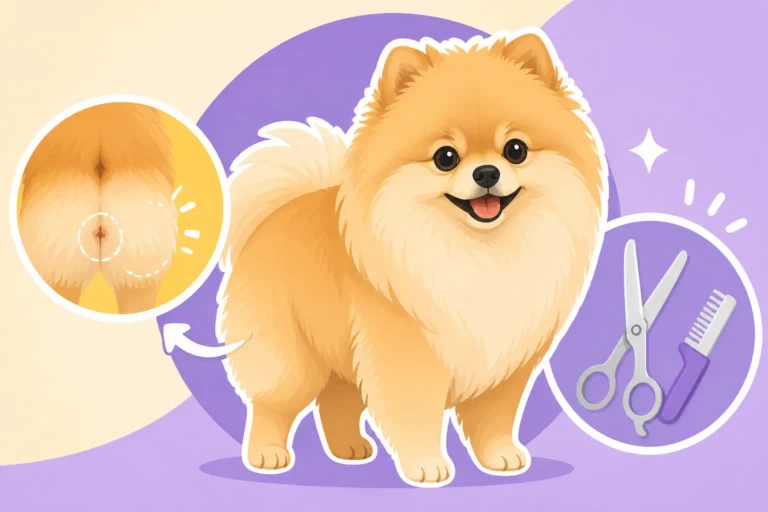
- Metal Greyhound Comb: A sturdy metal comb with both wide and fine-toothed sections is vital. The wider teeth help to gently work through larger tangles, while the finer teeth are perfect for finishing touches and checking for any missed knots, especially around the ears, armpits, and britches where mats commonly form. Always use the comb to ensure you've reached down to the skin and removed all undercoat.
- Pin Brush (Optional but Recommended): A pin brush, with its widely spaced, rubber-tipped pins, is great for fluffing the coat and stimulating circulation without pulling too much on the guard hairs. It's less effective for de-matting but wonderful for daily touch-ups and adding volume.
Investing in good quality brushes and combs means they'll last longer and be more effective, making the grooming process smoother for both you and your Pomeranian. Look for brushes with comfortable handles, as you’ll be spending a lot of time holding them.
Shampoos, Conditioners, and Detangling Sprays
The products you use in the bath are just as important as your brushes. Poor quality or inappropriate products can strip the coat of its natural oils, irritate the skin, or flatten that beautiful fluff.
- Dog-Specific Shampoo: Never use human shampoo on your Pomeranian, as their skin pH is different. Look for shampoos formulated for dogs, ideally those designed for double coats or sensitive skin. Hypoallergenic or oatmeal-based shampoos can be excellent for Poms prone to skin sensitivities. Some owners find that a whitening shampoo can brighten lighter-colored Poms, while others prefer deeply cleansing formulas for darker coats.
- Conditioner: Following up with a good conditioner is crucial. It helps to moisturize the skin and coat, makes brushing easier, and can add a healthy sheen. A leave-in conditioner or a conditioning spray can also be beneficial between baths to keep the coat supple and prevent static.
- Detangling Spray: These sprays are your best friend for making brushing sessions more pleasant. A light mist over the coat can help your brush glide through tangles, preventing painful pulling and reducing breakage of the delicate guard hairs. Many brands, available through retailers like Chewy, offer excellent detangling sprays specifically for long-haired breeds.
Always ensure you rinse your Pomeranian thoroughly after shampooing and conditioning. Any residue left behind can cause skin irritation or make the coat feel sticky and attract dirt faster.
Nail Care, Eye, and Ear Essentials
These smaller, but equally important, grooming tasks contribute significantly to your Pomeranian's comfort and health.
- Nail Clippers or Grinder: Long nails can cause discomfort, lead to splayed toes, and even affect your dog's gait and joint health over time. Choose between scissor-style clippers or a guillotine style, or an electric nail grinder. If you're nervous about cutting the quick (the blood vessel in the nail), a grinder offers more control. Make sure you get your Pom used to the process early on.
- Styptic Powder: This is a must-have for nail trims. Accidents happen, and if you cut too close and hit the quick, styptic powder will quickly stop the bleeding.
- Eye Wipes/Cleaner: Pomeranians can sometimes get tear stains or crusty discharge around their eyes. Gentle, dog-specific eye wipes or a cleaning solution can help keep the area clean and prevent irritation. Be very careful and use a separate wipe for each eye to prevent spreading any potential infection.
- Ear Cleaner and Cotton Balls: Regularly inspect your Pomeranian's ears for redness, odor, or excessive wax. Use a veterinarian-recommended ear cleaning solution and cotton balls to gently wipe the visible parts of the ear. Never insert anything deep into the ear canal. If you notice any signs of infection, consult your vet immediately.
Having all these items on hand ensures you're prepared for every aspect of your Pomeranian's grooming routine, helping you maintain their health and happiness year-round.
Dealing with Unexpected Coat Issues: The Hidden Costs
While regular grooming helps prevent many problems, Pomeranians can, unfortunately, encounter specific coat and skin issues that require extra time, effort, and sometimes, unexpected financial outlay. These "hidden costs" can sometimes rival or even exceed your regular grooming budget.
Severe Mat Removal
Despite your best efforts, mats can form quickly and stubbornly in a Pomeranian's dense coat, especially behind the ears, in the armpits, or around the britches. A small mat can quickly turn into a large, painful tangle that pulls on the skin, restricts movement, and can hide skin infections. If a mat is severe enough, it cannot be brushed out without causing immense pain and distress to your dog.
In such cases, professional intervention is usually necessary. A groomer might be able to carefully shave out the mats, but this is a delicate, time-consuming process that often costs more than a standard groom. If the matting is extensive and close to the skin, or if your Pomeranian is particularly sensitive or aggressive due to pain, a veterinary visit might be required. Vets can safely sedate the dog to remove the mats, preventing further trauma. This can be a significant expense, as discussed in topics such as "The Price of a Pomeranian Dental With Extractions" (referring to procedures requiring anesthesia), and is a good reason to keep up with regular brushing. Never try to cut out large, tight mats with scissors yourself, as it's incredibly easy to accidentally cut the skin.
Skin and Coat Health Issues
Beyond matting, Pomeranians are prone to a few skin and coat conditions that can lead to additional grooming challenges and veterinary bills.
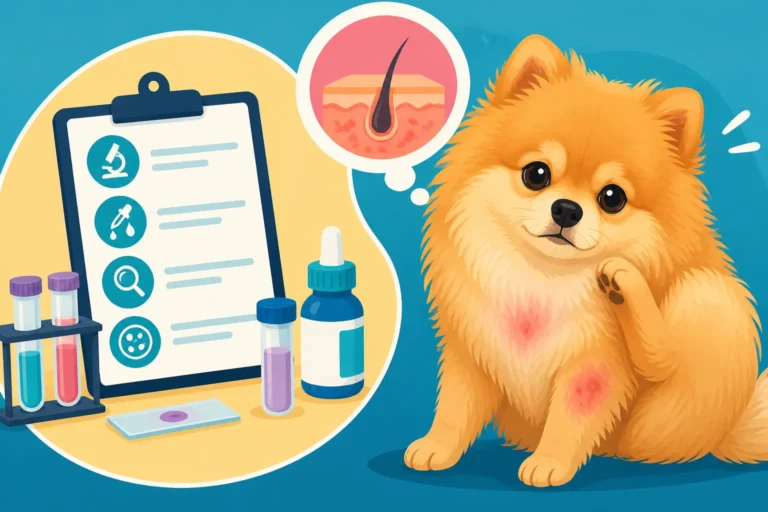
- Alopecia X (Black Skin Disease): This genetic condition causes patchy hair loss, often starting on the hindquarters and eventually leading to significant balding and darkened skin. Grooming a Pom with Alopecia X means extra care to protect their exposed skin from sunburn and irritation. Special medicated shampoos or topical treatments might be prescribed by a vet, adding to your costs. For more details, you might look at "Why Pomeranian Owners Call Alopecia X Black Skin Disease."
- Allergies and Dermatitis: Poms can suffer from environmental or food allergies, leading to itchy skin, hot spots, and excessive scratching or licking. This can damage their coat and make grooming very difficult. Treating allergies often involves vet visits, special diets (like those offered by Ollie, which focuses on fresh, whole ingredients that can sometimes improve skin health), medicated baths, antihistamines, or other medications, all of which contribute to the annual cost of care.
- Parasites: Fleas, ticks, or mites can cause intense itching, skin irritation, and coat damage. While usually preventable with regular parasite control, an infestation requires treatment, which might include medicated baths and veterinary-prescribed medications.
These health-related coat issues not only require specific grooming approaches but also necessitate veterinary consultations, diagnostic tests, and ongoing treatments, turning a routine grooming budget into a much larger animal care expense.
Emergency Grooming Needs
Sometimes, unexpected situations arise that demand immediate grooming attention. Think about that time your adventurous Pom decided to roll in something truly disgusting, like roadkill or sticky tar. A standard bath might not cut it, and you might need a professional groomer to handle the decontamination and careful removal of foreign substances from their delicate coat.
Similarly, if your Pomeranian develops a sudden hot spot or a wound that needs to be clipped clean for veterinary treatment, a quick trip to the groomer or vet for a sanitary shave might be necessary. These aren't planned expenses and can pop up at the most inconvenient times, adding unforeseen costs to your year's grooming budget. Having an emergency fund, or considering what pet insurance like Healthy Paws might cover for vet-related skin issues, can be a lifesaver in these situations.
Long-Term Grooming Budgeting and Planning
Understanding the potential costs is the first step; the next is creating a sustainable plan to manage them. Grooming isn't a one-off expense; it's a lifelong commitment for a Pomeranian owner. By planning ahead and making smart choices, you can keep your Pom looking fabulous without breaking the bank.
Creating a Grooming Fund
One of the most effective ways to handle the fluctuating costs of Pomeranian grooming is to set aside a dedicated "grooming fund." This could be a separate savings account or simply a line item in your monthly budget. By allocating a small amount each month, you build up a reserve for those routine professional grooms, ongoing supplies, and even those unexpected mat removals or skin issue vet visits.
Think about your preferred grooming frequency. If you plan for professional grooms every other month, calculate the estimated cost for those six appointments plus an allowance for home grooming supplies and a buffer for emergencies. Dividing that annual total by twelve gives you a manageable monthly saving goal. This proactive approach alleviates the stress of a large bill suddenly appearing and ensures your Pomeranian always receives the care they need. This fund could also cover items like extractions in a Pomeranian's Small Jaw if dental care becomes a significant expense.
Evaluating Pet Insurance Coverage for Grooming-Related Needs
Pet insurance can be a tricky landscape, and generally, routine grooming services like baths, trims, and nail clippings are not covered. However, some aspects related to grooming, particularly those stemming from underlying health issues, might be.
- Accident and Illness Plans: If your Pomeranian develops a skin infection due to severe matting, or requires sedation for mat removal because of pain, the veterinary consultation, treatment, and anesthesia might be covered under an accident and illness policy from providers like Healthy Paws. Similarly, treatments for allergies, dermatitis, or other skin conditions that manifest as coat problems could be eligible for coverage. It’s important to read the policy details carefully to understand what is considered an "illness" or "accident" versus routine care.
- Wellness Plans: Some pet insurance companies offer optional wellness plans as add-ons. These plans might cover some preventative care that borders on grooming, such as annual dental cleanings (which help with oral hygiene and prevent issues that can impact overall health) or flea/tick prevention. Again, the specifics vary greatly, so always verify what is included.
While pet insurance won't pay for your regular groomer appointments, it can provide a financial safety net for those unexpected, medically necessary grooming interventions or treatments for skin and coat issues. It's an investment in peace of mind.
Smart Shopping for Supplies
Whether you choose professional grooming or DIY, you'll always need some basic supplies. Being a smart shopper can help keep these ongoing costs down.
- Buy in Bulk: For non-perishable items like shampoo, conditioner, or ear cleaner, buying larger bottles when they're on sale can offer significant savings over the long term.
- Compare Prices Online: Websites like Chewy often have sales, bundles, and subscription options that can reduce the cost of recurring purchases. Always compare prices from different retailers before committing.
- Utilize Coupons and Loyalty Programs: Keep an eye out for coupons from manufacturers or sign up for loyalty programs at your favorite pet stores. Every little bit saved adds up over a year.
- Invest in Quality, but Be Prudent: As mentioned, good grooming tools are an investment. A high-quality slicker brush or pair of scissors will last longer and perform better than cheap alternatives. However, you don't always need the most expensive item for every single product. Balance quality with your budget and your dog's specific needs. For example, while a force dryer is amazing, a good quality human hair dryer on a cool setting can work for home use if budgets are tight.
By combining proactive saving, understanding potential insurance benefits, and smart shopping, you can effectively manage the year-round costs of keeping your Pomeranian's magnificent coat beautiful and healthy.
| Grooming Aspect | Professional Grooming (Annual Estimate) | DIY Grooming (Annual Estimate) |
|---|---|---|
| Routine Services | Multiple full grooms (6-12 times/year) + add-ons | Time & effort investment (daily brushing, regular baths) |
| Initial Tool Investment | Minimal (groomer provides tools) | Significant (brushes, combs, scissors, dryer, clippers, nail tools) |
| Ongoing Supplies | Limited (shampoo/conditioner for touch-ups, dental chews) | Regular replenishment (shampoo, conditioner, detangler, ear/eye cleaner) |
| Unexpected Issues | Emergency mat removal, vet visits for skin conditions (can be costly) | Emergency mat removal (may require professional help), vet visits for skin conditions |
| Time Investment | Minimal (drop off/pick up) | High (daily brushing, bathing, drying, nail trims, etc.) |
| Benefits | Expert handling, specialized equipment, professional finish, time saving | Cost savings on services, bonding experience, flexibility |
| Drawbacks | Higher recurring cost, scheduling constraints | Requires skill & patience, initial cost for tools, significant time commitment |
Disclaimer
This article is for general informational purposes only and does not constitute professional advice. Laws, prices and regulations vary by location and change over time. Consult a qualified professional for guidance on your specific situation.