Whether a Pomeranian Needs Its Teeth Brushed Daily
It’s a common worry for Pomeranian parents: do these little fluffballs really need their teeth brushed every single day? You look at their tiny mouths, the enthusiasm they show for almost anything but a toothbrush, and the thought of wrestling them for a daily dental routine can feel overwhelming. But here’s the unvarnished truth: due to their unique oral anatomy, daily dental care isn't just a good idea for a Pomeranian; it's practically non-negotiable for their long-term health and comfort. This guide will delve into why daily brushing is so crucial, how to actually make it happen, and what happens if you don't.
The Inarguable Need for Daily Dental Care in Pomeranians
You might think, "My dog seems fine, they chew on toys, isn't that enough?" Unfortunately, with Pomeranians, it very rarely is. Their unique genetics and physical structure predispose them to dental problems at a much higher rate and earlier age than many other breeds. Understanding these underlying factors helps you see why daily attention to their pearly whites is so vital.
Anatomy of a Pomeranian's Mouth
Imagine trying to fit a full set of adult human teeth into a toddler's mouth. That's essentially what a Pomeranian's mouth contends with. Pomeranians have 42 adult teeth, just like a much larger dog breed, packed into an incredibly small jaw. This crowding creates a perfect storm for dental disease. When teeth are jammed together, food particles and bacteria get trapped easily in the tight spaces between them and along the gum line, becoming inaccessible to the natural cleaning action of chewing.
This anatomical quirk is a primary reason why a Pomeranian's teeth crowd and rot so quickly if not meticulously cared for. The overlapping and rotation of teeth create more surface area for plaque and tartar to adhere to, accelerating the decay process. It also makes it incredibly difficult for your Pomeranian to clean their own teeth effectively, even with dental chews or hard kibble. These physical limitations mean we, as their caregivers, must step in with a more direct approach.
Rapid Plaque and Tartar Buildup
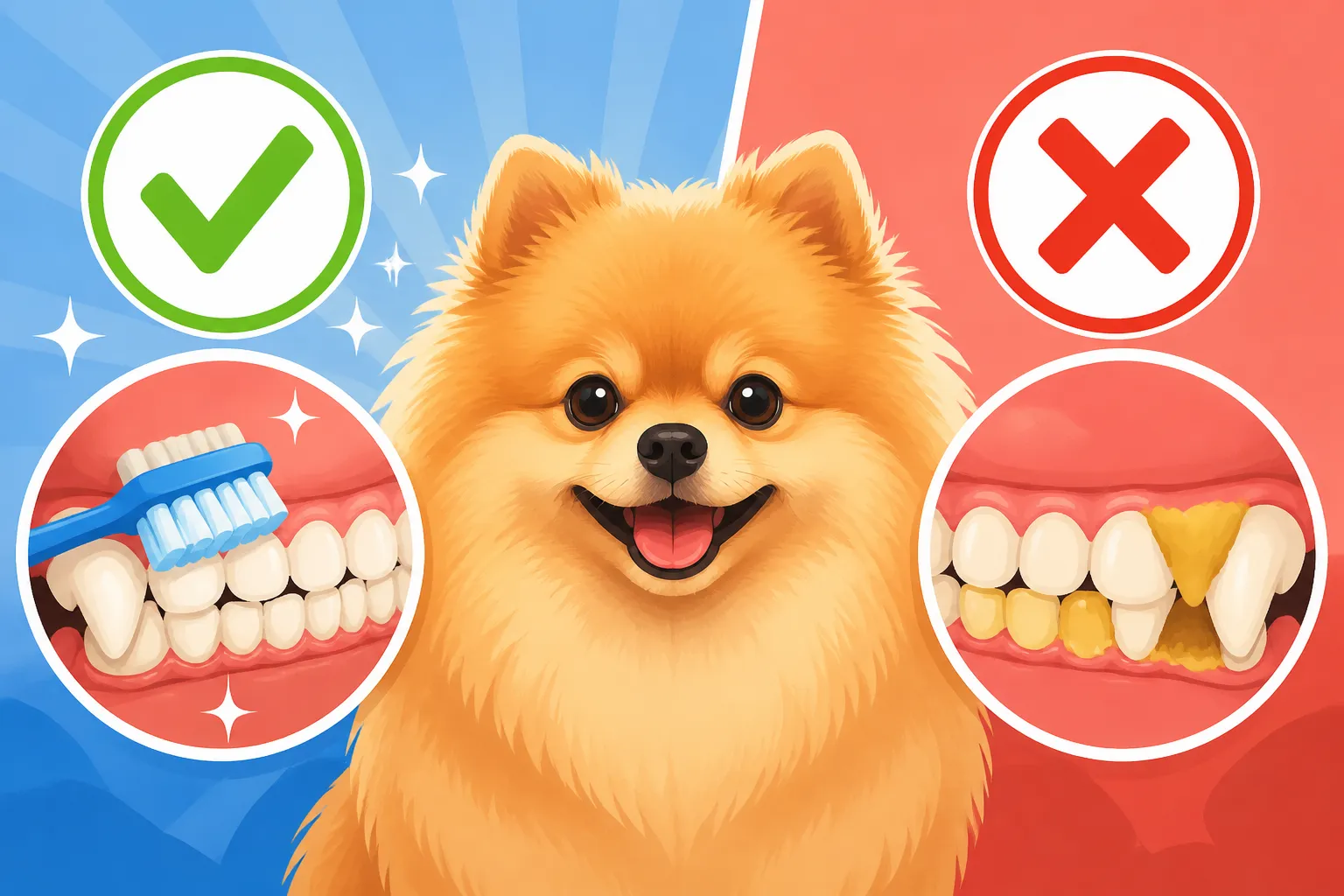
Plaque, that sticky film of bacteria that forms on teeth, starts building up within hours of eating. If it's not removed promptly, it hardens into tartar (calculus) within a matter of days. Once plaque has calcified into tartar, it's virtually impossible to remove with a toothbrush alone; it requires a professional dental cleaning under anesthesia by a veterinarian. For a Pomeranian, this process happens incredibly quickly, often much faster than in larger breeds.
Think about your own teeth. If you skipped brushing for a few days, you'd feel the film and probably notice bad breath. Now imagine that on a much smaller scale, where the consequences escalate faster due to the crowded environment. Because tartar forms so quickly, even brushing every other day might not be enough to prevent significant buildup and the progression of gum disease in many Pomeranians. That's why daily removal of plaque is the absolute best defense against the cascade of problems that follow.
Progression to Periodontal Disease
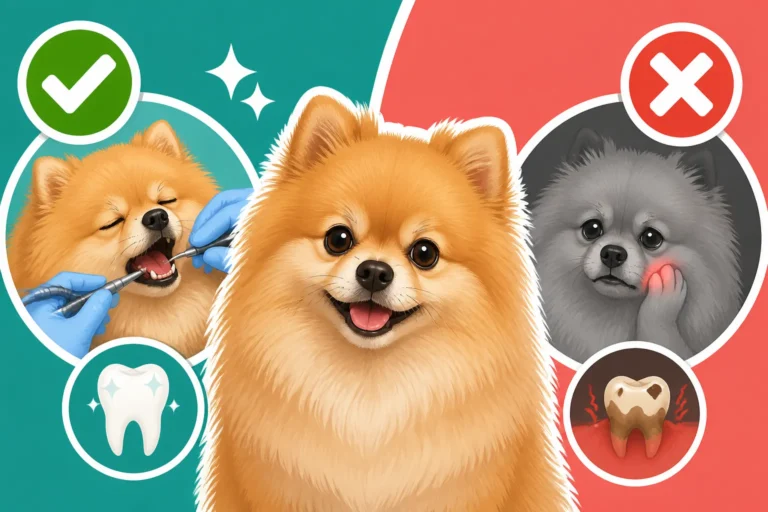
Without daily plaque removal, tartar accumulates under the gum line, leading to gingivitis (inflammation of the gums). You might notice redness, swelling, or even bleeding when your Pom chews on a toy. If left unchecked, gingivitis progresses to periodontal disease, a painful and irreversible condition where the supporting structures of the teeth — the gums, ligaments, and bone — are destroyed. This doesn't just mean bad breath; it means chronic pain, loose teeth, and eventually, tooth loss.
The chronic inflammation associated with periodontal disease isn't just confined to the mouth. The bacteria from infected gums can enter the bloodstream and travel to vital organs like the heart, kidneys, and liver, potentially causing serious systemic health problems. This is a stark reminder that dental health is inextricably linked to overall health. Preventing this painful progression through consistent daily care is one of the kindest things you can do for your Pomeranian, saving them from discomfort and you from costly and potentially risky procedures like extractions in a Pomeranian's small jaw.
Making Daily Brushing a Reality for Your Pomeranian
We know daily brushing is essential, but how do you actually achieve it without turning it into a wrestling match every morning? Consistency, patience, and the right tools are your best allies. It's a gradual process, but one that pays dividends in your Pomeranian's health and happiness.
Essential Tools for Pomeranian Dental Care
Before you even start, gather the right equipment. Using human toothpaste is a no-go, as it contains fluoride and other ingredients toxic to dogs. You'll need:
- Enzymatic Dog Toothpaste: These toothpastes are flavored (poultry, beef, peanut butter) to be appealing to dogs and contain enzymes that help break down plaque even if your brushing technique isn't perfect.
- A Dog Toothbrush: For Pomeranians, a finger brush that slips over your finger or an extra-small, soft-bristled brush is often best. The small head allows you to navigate their tiny mouths and reach those crowded back teeth.
- Positive Reinforcement: High-value treats are crucial! These will be your secret weapon in making the experience positive.
When choosing a toothbrush, consider your Pomeranian's comfort. Some dogs tolerate a traditional small toothbrush better, while others prefer the softer feel of a finger brush. Experiment to see what works best for your individual dog. The key is finding a tool that allows you to reach all surfaces without causing discomfort. You can often find a good selection at local pet stores or online retailers like Chewy or Amazon.
Step-by-Step Introduction to Brushing
This isn't a race; it's a marathon. Introduce brushing slowly and positively, especially if your Pomeranian isn't used to having their mouth handled.
- Phase 1: Get Them Used to Handling: Start by gently touching your Pomeranian's muzzle and lips for a few seconds. Lift their lip, praise them, and give a high-value treat. Repeat this several times a day for a few days, gradually increasing the duration. The goal is to make mouth handling a normal, positive experience.
- Phase 2: Introduce the Toothpaste: Once they're comfortable with lip handling, let them taste the enzymatic toothpaste off your finger. Most dogs love the flavors! Associate the taste with praise and treats. Do this for a few days.
- Phase 3: Introduce the Brush: Put a tiny bit of toothpaste on the toothbrush and let them lick it off. Then, gently try to touch the brush to one or two teeth, focusing on the outside surfaces first (where most plaque accumulates). Only brush for a few seconds, then praise and treat immediately.
- Phase 4: Gradual Brushing: Over several days to weeks, slowly increase the number of teeth you brush and the duration of brushing. Aim for 30-60 seconds, focusing on the gum line and the outside surfaces of the back molars, which are often the worst affected. Don't worry too much about the inside surfaces; your Pomeranian's tongue helps keep those relatively cleaner.
Consistency is key. Try to make it a routine, perhaps right after their last meal of the day, so it becomes part of their normal schedule. If you encounter resistance, don't force it. Take a step back and make the previous, easier steps even more positive with extra treats and praise. Remember, the goal is "Brushing a Pomeranian's Teeth Without a Fight."
Troubleshooting Common Brushing Challenges
Even with the best intentions, you might hit some snags. Many Pomeranians are particular about mouth handling.
- Resistance and Nipping: If your Pom nips or pulls away, it might be a sign of discomfort, fear, or even pain if they already have dental issues. Stop immediately. Revert to earlier steps, using even more appealing treats and gentler touches. If the nipping persists or seems aggressive, consult your vet to rule out any underlying pain.
- Refusal of Toothpaste: Not all dogs love all flavors. Try a different brand or flavor of enzymatic toothpaste. Some dogs also prefer a gel or foam over a paste.
- Time Constraints: Life gets busy, we know. But try to commit to at least a quick 30-second brush daily. Even a short brush is better than no brush at all. Consider setting a reminder on your phone. Think of it as a bonding moment with your furry friend, not just a chore. For pet parents managing busy schedules, remember that investing this small amount of time daily can prevent much larger, more time-consuming issues down the road.
| Dental Care Method | Frequency | Effectiveness | Ease of Use | Pros | Cons |
|---|---|---|---|---|---|
| Daily Brushing | Daily | Excellent | Moderate | Most effective for plaque removal, prevents tartar | Requires consistent effort, may be challenging initially |
| Dental Chews | Daily/Few times a week | Moderate | Easy | Can help mechanically scrape plaque, enjoyable for dogs | Not a substitute for brushing, may not reach all teeth |
| Water Additives | Daily | Low-Moderate | Very Easy | Simple to use, helps freshen breath | Minimal impact on existing plaque/tartar, some dogs refuse |
| Oral Rinses/Gels | Daily/Few times a week | Moderate | Easy-Moderate | Can reduce bacteria, targets gum line | May not reach all areas, requires direct application |
| Professional Dental Cleanings | Annually/Bi-annually | Excellent | N/A | Removes all plaque and tartar, addresses underlying issues | Requires anesthesia, costly (but often necessary) |
Beyond the Brush: Supplementary Dental Hygiene for Pomeranians
While daily brushing is the gold standard, it’s not the only piece of the dental puzzle. Think of it like our own dental care – brushing is primary, but we also floss, use mouthwash, and see the dentist. For your Pomeranian, there are several supplementary options that can help, though none replace the hands-on plaque removal of brushing.
Dental Chews and Toys
Many dental chews are designed with textures and ingredients that can help reduce plaque and tartar buildup. Look for products that have the Veterinary Oral Health Council (VOHC) seal of approval, which indicates they meet standards for effectiveness in controlling plaque and/or tartar. Brands like Greenies, Dentastix, and Purina DentaLife are popular choices that carry this seal. However, it's critical to choose chews appropriate for your Pomeranian's small size and chewing style to prevent choking hazards or tooth fractures.
Dental toys, especially those with nubs and textures, can also offer some mechanical abrasion to help clean teeth as your Pom chews. Just ensure they are durable enough not to break apart into small pieces, but not so hard that they risk damaging delicate Pomeranian teeth. While these can be beneficial, remember they primarily target the large chewing surfaces and often miss the critical gum line and inner surfaces where plaque accumulates most rapidly. They are a supplement, not a replacement for brushing.
Water Additives and Oral Rinses
Water additives are liquids you pour into your dog's drinking water, designed to help reduce bacteria in the mouth and freshen breath. Many contain ingredients like chlorhexidine or zinc that can inhibit bacterial growth. They are incredibly easy to use – just add the recommended amount to their water bowl daily. Similarly, oral rinses and gels can be applied directly to the gums or teeth, offering a more concentrated dose of anti-bacterial agents.
While these products can contribute to better oral hygiene, their effectiveness in removing existing plaque and tartar is generally limited. They primarily work on the superficial level, addressing bacteria and bad breath rather than the sticky plaque film itself. They are best used as an adjunct to brushing, creating a healthier oral environment, but not as a standalone solution, especially given the susceptibility of Pomeranians to rapid dental disease.
Regular Veterinary Dental Check-ups
Even with diligent daily brushing, professional dental cleanings under anesthesia are almost always necessary for Pomeranians at some point in their lives. The frequency will depend on your individual dog's genetics, diet, and home care routine, but many Poms benefit from a cleaning every 1-2 years. During these appointments, your vet will perform a thorough examination, scale away all plaque and tartar (even below the gum line), polish the teeth, and often take X-rays to check for issues beneath the gum line.
These check-ups are vital because they allow your vet to address issues that home care simply cannot. They can identify retained baby teeth ("The Baby Canines a Pomeranian Fails to Lose"), evaluate gum health, and perform any necessary extractions before problems become severe. Scheduling a regular "annual checkup for your Pomeranian" isn't just about vaccinations; it's about a full health assessment that absolutely includes their teeth. If you're concerned about the cost of these essential procedures, it's worth looking into pet insurance providers like Healthy Paws, who can help cover a significant portion of unexpected veterinary bills, including routine dental care if part of their wellness plans or accident/illness for more serious issues.
The Heavy Cost of Neglecting Your Pomeranian's Teeth
It's easy to push dental care to the back burner, especially when your Pomeranian seems happy and healthy. However, the consequences of neglecting their oral hygiene can be severe, leading to chronic pain, serious health complications, and significant financial strain. This isn't just about bad breath; it's about their quality of life.
Pain and Discomfort
Imagine having a toothache that never goes away, or inflamed gums that throb with every bite. This is the reality for many Pomeranians suffering from untreated dental disease. They are stoic animals and often hide their pain, but signs can include reluctance to eat hard food, dropping food, pawing at their mouth, excessive drooling, or a change in their demeanor. They might become less playful or irritable due to constant discomfort.
This pain isn't just temporary; it's chronic. Each time they eat, drink, or even yawn, they could be experiencing discomfort. Ignoring these signs means condemning your beloved companion to a life of unnecessary suffering. Preventing this pain through consistent daily care is one of the most compassionate things you can do.
Serious Health Complications
As we touched on earlier, periodontal disease is not just a localized issue. The bacteria from infected gums can easily enter the bloodstream, traveling throughout the body and setting up secondary infections in vital organs. The heart, kidneys, and liver are particularly vulnerable. This can lead to conditions like endocarditis (inflammation of the heart lining), kidney failure, or liver disease, significantly shortening your Pomeranian's lifespan.
Furthermore, chronic inflammation from dental disease puts a constant strain on their immune system. For a small dog like a Pomeranian, who might already be susceptible to other health issues, this added burden can be detrimental. It's a reminder that good oral hygiene is a cornerstone of overall well-being, directly impacting their health far beyond just their mouth. This is why many veterinarians will insist on a thorough dental evaluation as part of any health concern.
Financial Burden of Extensive Dental Work
The truth is, preventative care is always cheaper than reactive care. A professional dental cleaning with X-rays and extractions can easily run into thousands of dollars, depending on the severity of the disease and the number of teeth that need to be removed. Factors like anesthesia risk in a four pound Pomeranian also add complexity and cost. If you're looking into "How many dentals a Pomeranian needs in a lifetime," you'll find that proactive, daily brushing can drastically reduce the frequency and severity of these costly procedures.
If your Pomeranian's teeth are neglected, you might find yourself facing multiple extractions, which involve significant surgical time, pain medication, and recovery. The cost can be a huge, unexpected burden for pet parents who haven't budgeted for it. This is precisely why considering options like pet insurance from companies such as Healthy Paws can be a financially savvy decision, providing peace of mind knowing that you can afford the best care when serious dental issues arise, potentially covering treatments that range from simple cleanings to complex surgical interventions. While regular dental cleanings can feel expensive, they are a vital investment in your Pomeranian's long-term health and a fraction of the cost of treating systemic diseases that can stem from neglected oral hygiene.
Disclaimer
This article is for general informational purposes only and does not constitute professional advice. Laws, prices and regulations vary by location and change over time. Consult a qualified professional for guidance on your specific situation.