Whether Melatonin Regrows a Pomeranian’s Coat
Dealing with a Pomeranian's beautiful, fluffy double coat suddenly thinning or disappearing can be absolutely heartbreaking and confusing for any owner. You spend so much time admiring that glorious fur, only to wake up one day and notice bald patches, dry skin, or a coat that just doesn't look right. Many desperate owners search for answers, and often, melatonin pops up as a potential solution, leaving you wondering if this common supplement could truly be the magic bullet for your Pom's woes. This comprehensive guide will delve deep into the topic of melatonin for Pomeranian coat regrowth, exploring its theory, practical application, and realistic expectations.
Understanding Pomeranian Coat Loss Beyond the Usual Shed
Before we even begin to talk about solutions like melatonin, it's crucial to understand that Pomeranian coat loss isn't always just "shedding." These little fluff balls have a very distinct coat that can be prone to specific issues, and misdiagnosing the problem can lead to ineffective, and even harmful, treatments.
The Mystery of Alopecia X Black Skin Disease
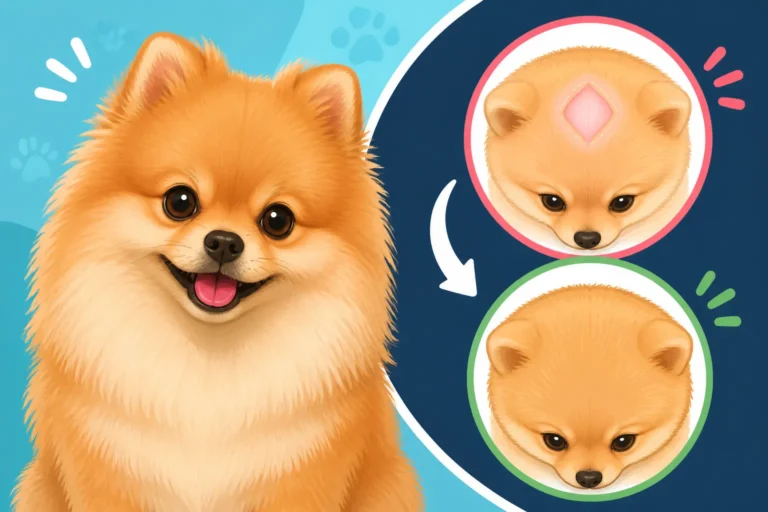
One of the most frustrating and common reasons for significant coat loss in Pomeranians is a condition often referred to as "Black Skin Disease" or more technically, Alopecia X. It’s a bit of a mystery, honestly, because it’s not fully understood what causes it. What we do know is that it leads to a progressive thinning of the coat, often starting on the hindquarters and eventually affecting the entire body, sometimes leaving the dog completely bald. The skin can also darken, becoming hyperpigmented, which is where the "black skin" part of the name comes from. It's a non-itchy condition, which can sometimes make it harder to differentiate from other skin issues. If you're grappling with this, you might be interested in knowing more about why Pomeranian owners call Alopecia X Black Skin Disease, because it truly describes the visual manifestation. It's truly disheartening to watch their once magnificent coat fade away, and it's a huge source of worry for dedicated Pom parents.
Other Causes of Coat Thinning and Loss
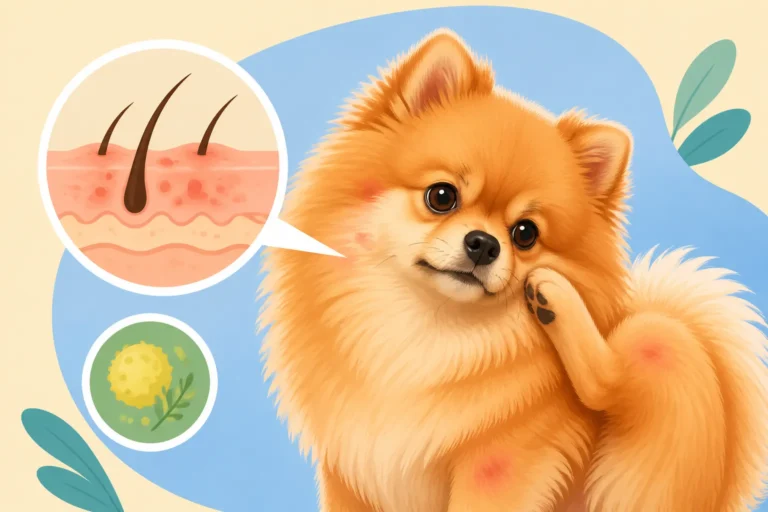
While Alopecia X often steals the spotlight when discussing Pomeranian coat issues, it’s far from the only culprit. It’s absolutely vital to rule out other medical conditions that can mimic coat loss before trying any at-home remedies. For instance, hypothyroidism, an underactive thyroid gland, can cause symmetrical hair loss, often accompanied by lethargy and weight gain. Cushing's disease, an overproduction of cortisol, is another hormonal imbalance that leads to thin skin, hair loss, and a pot-bellied appearance. Sometimes, even the timing of spaying or neutering can seem to coincide with coat changes, making owners wonder whether neutering triggers coat loss in a Pomeranian. Beyond internal issues, external factors like severe allergies, mites, or fungal infections can also lead to patchy hair loss and skin problems. And let's not forget the cardinal sin of Pomeranian grooming: shaving their double coat can sometimes lead to irreversible damage, where the coat simply never grows back correctly. This phenomenon of "post-clipping alopecia" is a real concern if a groomer should ever shave a Pomeranian. Before jumping to conclusions, a visit to your vet to thoroughly investigate is always the first, and most important, step.
Melatonin: A Closer Look at This "Remedy"
Given the frustration and lack of definitive cures for conditions like Alopecia X, it's no wonder that many owners, often after extensive online research and discussions with other Pom parents, stumble upon melatonin as a potential treatment. But how exactly is this common sleep aid supposed to help with a dog's fur?
How Melatonin is Thought to Work The Theory
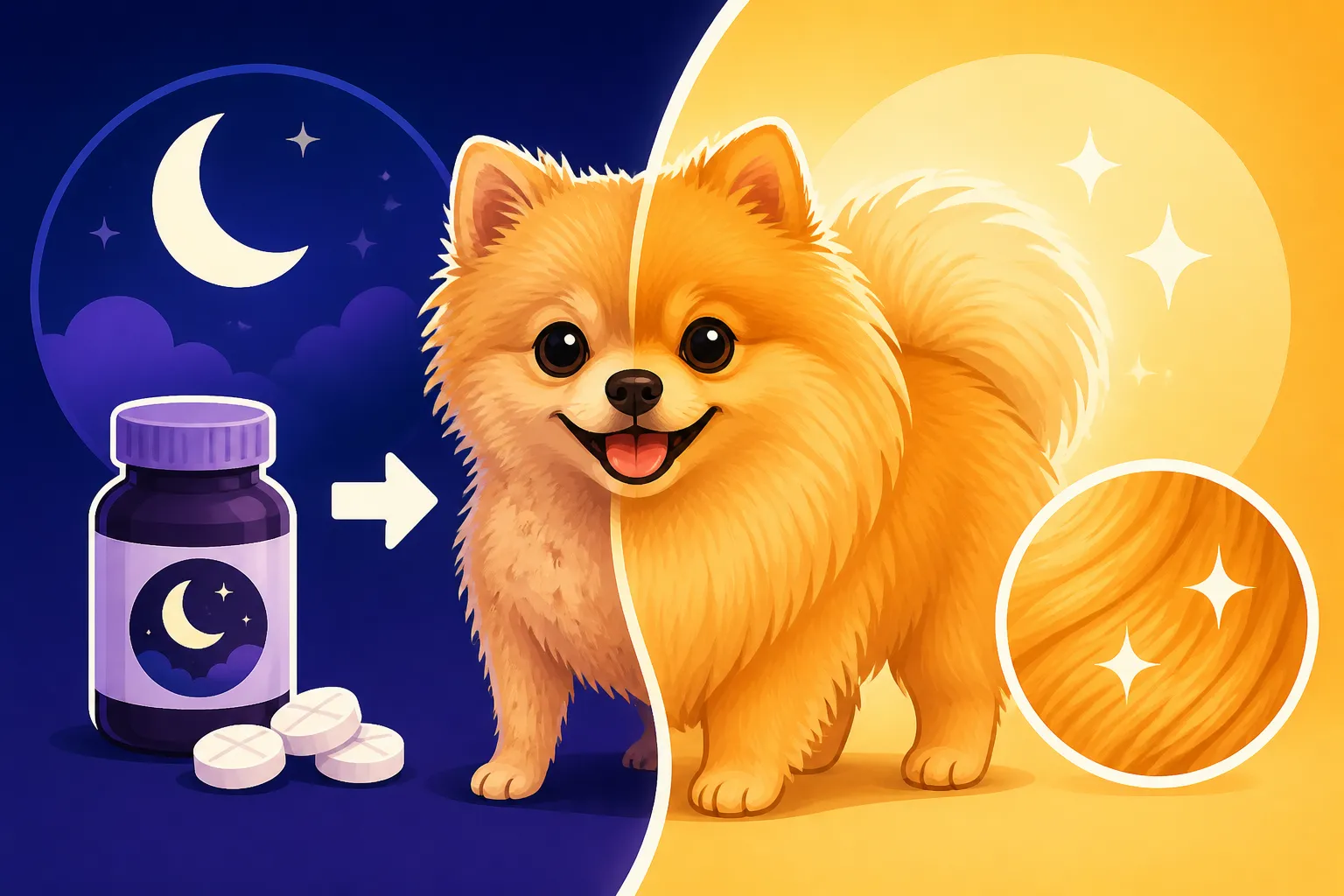
The theory behind using melatonin for Pomeranian coat regrowth, particularly for Alopecia X, largely revolves around its potential influence on the endocrine system and hair follicle cycles. Melatonin is a hormone produced by the pineal gland, primarily known for regulating sleep-wake cycles. However, it also plays a role in various other bodily functions, including seasonal reproduction and coat growth in some animal species.
For dogs with Alopecia X, which is often considered a type of adrenal sex hormone imbalance (though not always), melatonin is thought to potentially suppress the overproduction of adrenal hormones that might be contributing to hair loss. It’s believed to act on hormone receptors in the skin or indirectly influence the adrenal glands. Some speculate it may help reset the hair follicle growth cycle, encouraging dormant follicles to enter anagen (growth phase) again. This is why some people see it as a natural, less invasive option before trying more aggressive hormonal therapies. However, it's important to understand that this is largely theoretical in dogs, and the exact mechanism for coat regrowth in Poms isn't fully understood or scientifically proven across the board. It's more of a "let's try this, it might help" approach rather than a guaranteed fix.
Real-World Experiences and Veterinary Perspectives
When you look at real-world experiences, the results with melatonin for Pomeranian coat regrowth are, to put it mildly, mixed. You'll find countless anecdotal reports online from owners who swear by it, showcasing impressive "before and after" photos of their Poms regrowing thick, luxurious coats after starting melatonin. They often share stories of initial skepticism turning into genuine belief, especially when other treatments had failed. For these owners, melatonin feels like a miracle.
However, just as many owners report little to no change, or only partial regrowth that quickly recedes. Some Poms might show a slight fuzz, while others remain completely bald. This variability is a huge source of frustration and highlights the unpredictable nature of Alopecia X itself. From a veterinary perspective, melatonin is generally considered a low-risk supplement. Many veterinarians, when faced with an Alopecia X diagnosis, especially after ruling out other conditions like hypothyroidism – which is crucial to do first, by the way, with a thorough test to avoid misdiagnosis – might suggest melatonin as a first-line, conservative approach. It’s often seen as a relatively harmless option to try before considering more potent drugs or costly specialized treatments. They’ll usually stress that it's not a cure and that results are not guaranteed. It's often prescribed in conjunction with other supportive measures or after discussions about other treatments tried on a Pomeranian with Alopecia X.
It’s easy to get caught up in the emotional rollercoaster of hoping for a solution, especially when you see a condition like Black Skin Disease and the Pomeranian Coat That Never Returns. That’s why keeping realistic expectations and always consulting with your vet before starting any new supplement or treatment, including melatonin, is absolutely paramount. They can help rule out underlying issues and guide you on the safest path forward.
Administering Melatonin to Your Pomeranian Safely
If you and your veterinarian decide that melatonin is a worthwhile avenue to explore for your Pomeranian's coat loss, understanding how to administer it safely and effectively is critical. This isn't just about grabbing any melatonin off the shelf; there are important considerations to ensure your Pom's well-being.
Proper Dosage and Formulation
Determining the correct dosage for a small breed like a Pomeranian is paramount. Melatonin typically comes in various strengths, such as 1 mg, 3 mg, 5 mg, and even higher. For Poms, who are generally quite small, the dosage is usually much lower than what an adult human would take. A common starting point suggested by many veterinarians for small dogs is often around 1 mg to 3 mg, given one to three times a day. However, this is not a blanket recommendation and absolutely must be discussed with your vet. Factors like your dog's specific weight, overall health, and the severity of their condition will all play a role in their recommended dose.
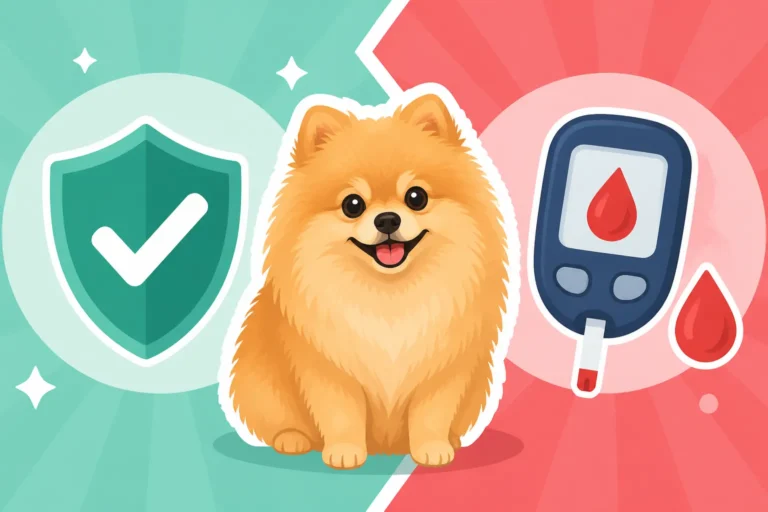
Beyond the dosage, the formulation is equally important. You must always choose pure melatonin supplements, free from any added ingredients that could be harmful to dogs. A major concern is xylitol, an artificial sweetener commonly found in many human supplements and sugar-free products. Xylitol is highly toxic to dogs, even in small amounts, and can cause a rapid, severe drop in blood sugar, liver failure, and even death. Always check the ingredient list meticulously. Opt for plain melatonin tablets or capsules, and avoid any flavored or chewable varieties intended for human use unless explicitly cleared by your vet. Additionally, some melatonin supplements are "extended-release" or "timed-release." While these might be fine for humans, for dogs, a standard, immediate-release formula is often preferred for more predictable absorption, unless your vet advises otherwise.
Potential Side Effects and Precautions
While melatonin is generally considered safe for dogs, especially at appropriate doses, it's not entirely without potential side effects. The most common side effect you might notice is mild drowsiness or lethargy. After all, it's a sleep aid! Your Pom might seem a bit more tired or sedated, particularly when first starting the supplement or if the dose is too high. This usually subsides as their body adjusts or if the dose is slightly reduced.
Less commonly, some dogs might experience gastrointestinal upset, such as vomiting or diarrhea. If you notice these symptoms, discontinue the melatonin and contact your vet. It's also wise to start with the lowest possible dose and gradually increase it under veterinary guidance to see how your Pomeranian tolerates it.
Beyond these immediate side effects, there are important precautions to keep in mind. Melatonin can interact with certain medications, including corticosteroids, benzodiazepines, and some blood pressure drugs. If your Pomeranian is on any long-term medication, your vet needs to be aware before you start melatonin. Also, while it's often tried for Alopecia X, remember it's not a panacea. If your Pomeranian's coat loss is due to another underlying condition, such as severe hypothyroidism or Cushing's, melatonin will not address the root cause and could delay proper diagnosis and treatment. This is another reason why a thorough veterinary workup is so crucial beforehand.
What to Do When Melatonin Doesn't Deliver Alternative Approaches
It’s tough when you try something with hope, only for it to fall short. If melatonin isn't giving your Pomeranian the fluffy results you hoped for, don't despair! There are other avenues to explore, but they all start with a solid diagnostic foundation.
Diagnostic Steps and Ruling Out Other Conditions
Before diving into any treatment, especially if melatonin hasn't worked, it's absolutely crucial to go back to square one with your veterinarian. A comprehensive diagnostic workup is the only way to pinpoint the actual cause of your Pomeranian's coat loss. As we discussed, conditions like hypothyroidism or Cushing's disease can mimic Alopecia X, and they require very different treatments. Your vet will likely perform a series of tests, which may include:
- Full Physical Exam: Checking skin, coat quality, weight, and general demeanor.
- Bloodwork: A complete blood count (CBC) and chemistry panel to check overall organ function and look for systemic issues.
- Thyroid Panel: Specific tests to evaluate thyroid hormone levels to rule out or confirm an underactive thyroid. This is a common and treatable cause of hair loss, and ruling out thyroid on a balding Pomeranian is a critical step.
- Adrenal Function Tests: If Cushing's disease is suspected, specific tests like a low-dose dexamethasone suppression test or an ACTH stimulation test may be performed to assess adrenal gland function.
- Skin Biopsy: In some cases, a small skin biopsy might be taken and sent to a lab for histopathological examination. This can help differentiate between various forms of alopecia and identify specific changes in the hair follicles and skin.
- Skin Scrapings/Fungal Cultures: To rule out parasitic infections (like mites) or fungal infections that can also cause hair loss and skin issues.
Getting a clear diagnosis is like having a roadmap; it guides you to the most appropriate and effective treatments, saving you time, money, and emotional strain from trying remedies that simply won't work for your specific Pom's condition. While insurance providers like Healthy Paws can help with the costs of diagnostics, the peace of mind from knowing what you're dealing with is invaluable.
Other Treatments for Alopecia X and Coat Health
Once other conditions are ruled out and Alopecia X is the primary suspect, or if other forms of coat loss are identified, your vet might suggest several alternative or complementary treatments. The goal is always to improve coat quality and skin health, but results can still vary greatly.
- Spaying/Neutering: Interestingly, for some intact Pomeranians, especially males, spaying or neutering can sometimes trigger coat regrowth if the Alopecia X is linked to sex hormone imbalances. It’s not a guaranteed fix, but for those who haven’t done it, it’s a conversation to have with your vet, especially if you're concerned about whether spaying changes a Pomeranian's lifespan or have other health considerations.
- Topical Treatments: Certain shampoos and conditioners formulated for skin and coat health, containing ingredients like colloidal oatmeal, salicylic acid, or benzoyl peroxide, can help improve skin quality and potentially stimulate follicle activity. Medicated wipes and sprays might also be recommended for localized issues.
- Supplements: Beyond melatonin, other supplements are often explored. Omega-3 fatty acids (fish oil) are widely recommended for skin and coat health, improving elasticity and reducing inflammation. Biotin, vitamin E, and specialized skin and coat supplements that support a Pomeranian's skin can also be tried, though their efficacy for Alopecia X specifically isn't definitively proven.
- Steroid Therapy: For a short period, low-dose oral corticosteroids might be used to reduce inflammation and sometimes jumpstart hair growth, but long-term use is typically avoided due to potential side effects.
- Hormonal Therapies: In specific cases, under strict veterinary supervision, synthetic hormones like trilostane (used for Cushing's disease) or sex hormones might be considered if previous diagnostics point to a particular imbalance. These are powerful medications and require careful monitoring.
- Micro-needling or PRP (Platelet-Rich Plasma): These are newer, more experimental treatments in veterinary dermatology, sometimes used in conjunction with other therapies to stimulate hair follicles. They involve stimulating the skin to encourage healing and growth factors.
- Regular Grooming and Skin Care: Even a bald Pom needs regular bathing with appropriate, gentle shampoos to keep their skin clean and moisturized. Protect their sensitive, exposed skin from sunburn with dog-safe sunscreen and from cold with appropriate clothing. Ensuring their overall comfort and hygiene is crucial. Remember, while you can't force hair to grow, you can always support their skin health. It’s worth noting that managing these conditions can incur significant vet bills, and having pet insurance from a reputable provider, such as Healthy Paws, can certainly alleviate some of the financial stress.
The journey to regrow a Pomeranian's coat, especially with conditions like Alopecia X, can be a long and winding one, often requiring patience, persistence, and a close partnership with your veterinarian.
Melatonin for Pomeranian Coat Regrowth: Pros and Cons
| Feature | Pros of Melatonin | Cons of Melatonin |
|---|---|---|
| Availability | Widely available over-the-counter. | Not specifically formulated for dogs; careful ingredient checking is vital. |
| Cost | Relatively inexpensive compared to prescription drugs. | May be an ongoing cost without guaranteed results. |
| Safety | Generally considered safe with few side effects. | Potential for mild drowsiness or GI upset; serious harm if containing xylitol. |
| Efficacy | Anecdotal reports of significant coat regrowth. | Highly variable results; many dogs show no improvement or only partial fuzz. |
| Mechanism | Thought to influence hormones/hair cycles. | Exact mechanism for coat regrowth in Poms is not fully understood or proven. |
| Side Effects | Mild, often temporary drowsiness. | Can interact with other medications; not a cure for underlying health issues. |
| Consultation | Often suggested by vets as a low-risk option. | Requires careful vet consultation for proper dosage and to rule out other causes. |
Disclaimer
The information provided in this article is for educational purposes only and is not intended to be a substitute for professional veterinary advice, diagnosis, or treatment. Always seek the advice of your veterinarian or other qualified health provider with any questions you may have regarding a medical condition or treatment plan for your Pomeranian. Never disregard professional veterinary advice or delay in seeking it because of something you have read here.