The Extra Eyelashes That Rub a Pomeranian’s Eye
There’s nothing quite like looking into the expressive, bright eyes of your beloved Pomeranian. They communicate so much, from playful mischief to unwavering loyalty. So, when you notice something off, like what appears to be an errant eyelash rubbing against that precious peeper, it’s instantly alarming. This guide is here to shed light on those "extra eyelashes," specifically focusing on distichiasis and ectopic cilia, explaining why they occur in Pomeranians, how to spot them, and what steps you can take to ensure your little fluffball's comfort and long-term eye health.
Understanding Aberrant Eyelashes in Pomeranians
When we talk about "extra eyelashes" in our Pomeranians, we're not just discussing a stray hair. We're often referring to specific genetic conditions where hairs grow in abnormal places on the eyelid, causing significant irritation and potential damage to the eye itself. These conditions are more common in certain breeds, and unfortunately, our delightful Poms are on that list. It's a frustrating reality for many owners, as these aren't issues you can prevent with careful grooming or diet; they're often baked right into their genetic makeup.
Distichiasis: The Most Common Culprit
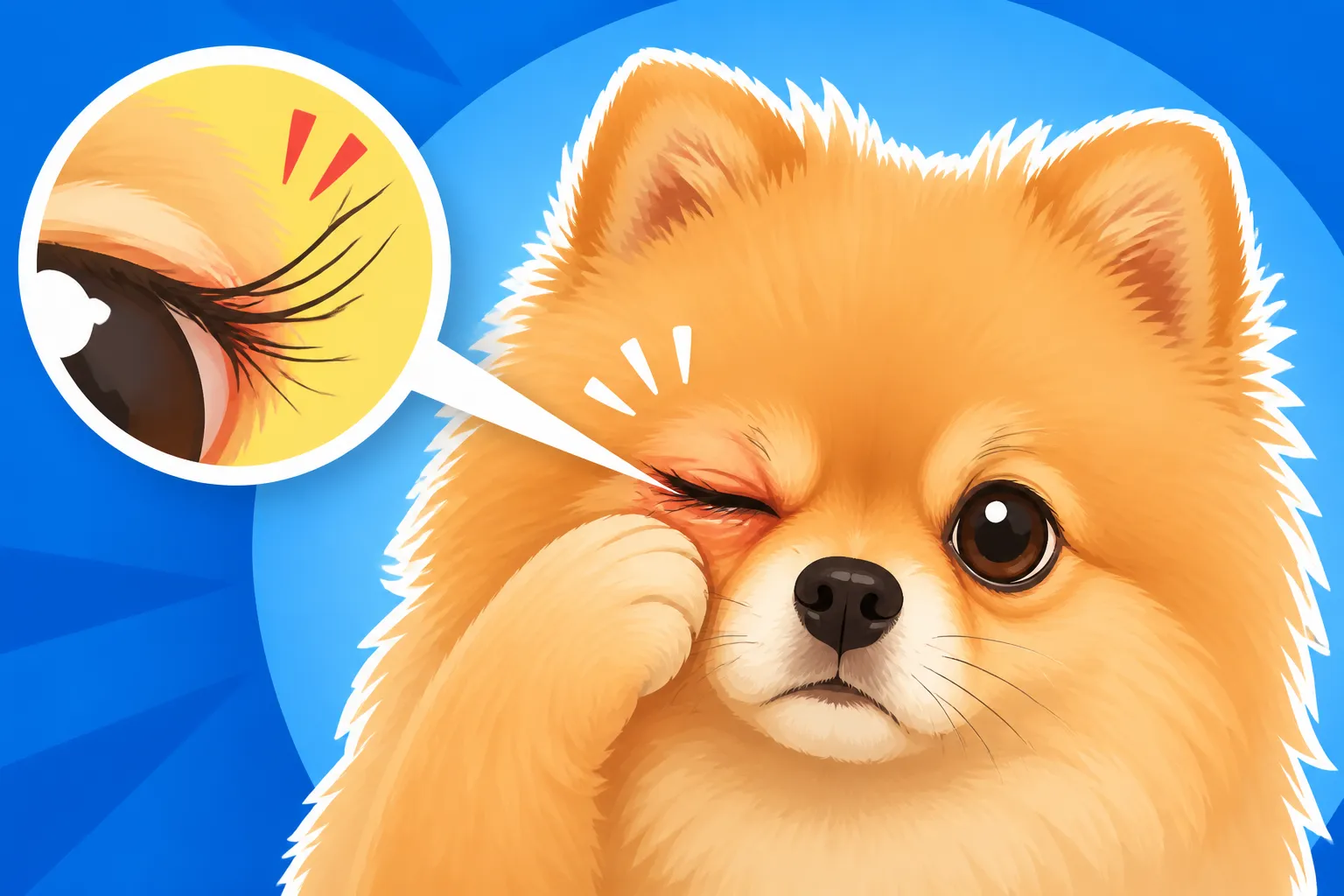
Distichiasis is perhaps the most frequently diagnosed condition involving extra eyelashes. It occurs when additional hairs, or a row of hairs, emerge from the tiny openings of the meibomian glands along the eyelid margin, where no lashes should typically grow. Think of it like this: your Pomeranian has tiny oil glands in its eyelids, and sometimes, instead of just producing oil, a hair follicle decides to set up shop there. These hairs can be soft and fine, almost like downy fuzz, or they can be stiff and coarse, like a regular eyelash.
The problem arises when these distichia, as they are called, grow inward and rub directly against the delicate surface of the eyeball, the cornea. This constant friction is incredibly uncomfortable and can feel like having a tiny, persistent irritant in your own eye. Imagine a minuscule twig continually brushing against your cornea; it's exactly the kind of annoyance that can drive a dog to squint, tear up, or paw at their face. While some Pomeranians might live with soft, asymptomatic distichia their entire lives, others develop severe pain and secondary issues from even a single, stiff errant lash.
Ectopic Cilia: A More Troublesome Variation
While distichiasis is concerning, ectopic cilia are generally considered more serious and immediately painful. This condition involves a single, or sometimes a few, eyelashes that grow through the conjunctiva, the inner lining of the eyelid, rather than from the eyelid margin. Critically, these lashes often emerge directly from the underside of the eyelid and point straight into the cornea. Because they pierce the conjunctiva from a deeper location and are typically stiff, they act like a sharp needle constantly jabbing the eye with every blink.
The severity of ectopic cilia often means that the symptoms are more pronounced and appear earlier in a Pomeranian's life, sometimes even as a puppy. Owners might notice intense squinting, excessive tearing, a reluctance to open the affected eye fully, or even visible clouding of the cornea due to irritation and ulceration. This condition is often an emergency because of the direct and continuous trauma it inflicts. Unlike distichiasis, where some softer hairs might be tolerated, ectopic cilia almost always require prompt veterinary intervention due to the acute pain and high risk of corneal damage.
Other Hair-Related Eye Issues to Watch For
Beyond distichiasis and ectopic cilia, there are a couple of other hair-related conditions that can affect your Pomeranian's eyes, causing similar symptoms of irritation. One common one is trichiasis, which isn't about extra eyelashes, but rather normally placed eyelashes or facial hairs that are misdirected. In Pomeranians, with their abundant facial fur, sometimes the hairs around the eyes grow too long or curl inward, brushing against the eye surface. This can happen with the hair on the bridge of the nose, or even the long fur of their magnificent ruff if it’s not properly groomed or tied back.
Another related issue can be entropion, where the eyelid itself rolls inward, causing all the normal eyelashes and eyelid hairs to rub against the cornea. While less common in Pomeranians than some other breeds, it can still occur and often presents with symptoms similar to distichiasis or ectopic cilia. These conditions highlight the fact that any hair-on-eye contact is problematic for our furry friends, and requires careful observation and professional assessment. Regular grooming, especially around the eyes, can sometimes mitigate trichiasis, but congenital issues like distichiasis, ectopic cilia, or entropion usually need more targeted medical or surgical solutions.
Why Pomeranians Are Prone to These Conditions
It's heartbreaking to see your tiny Pomeranian in discomfort, especially when it comes to something as vital as their eyesight. Many owners wonder why their particular dog seems to be afflicted with these extra eyelashes when other dogs don't. The answer, unfortunately, often lies in their specific genetics and the unique anatomical features that make a Pomeranian, well, a Pomeranian. These aren't random occurrences; there's a reason certain breeds are predisposed.
Genetic Predisposition in Pomeranians
The primary reason Pomeranians, along with many other small breeds such as Cocker Spaniels, Poodles, and Shih Tzus, are so susceptible to distichiasis and ectopic cilia is genetics. These conditions are considered hereditary, meaning they are passed down from parents to offspring. While the exact mode of inheritance can be complex and involve multiple genes, it's clear that certain genetic lines carry a higher risk. This is why a responsible breeder will often screen their breeding dogs for such eye conditions, attempting to reduce their prevalence in future generations. You can learn more about The Eye Problems a Pomeranian Carries if you're concerned about inherited conditions.
For a Pomeranian owner, understanding this genetic link is crucial. It means that if your Pom develops distichiasis, it's not a reflection of anything you did wrong in their care. It's simply an unlucky roll of the genetic dice, likely from traits inherited from their parents. This genetic component also means that any Pomeranian exhibiting these conditions should ideally not be used for breeding, to prevent passing on these painful traits. It's a tough but necessary consideration for the overall health of the breed.
Anatomical Quirks of the Eyelid
Beyond genetics, the very structure of a Pomeranian's eyelid and facial features can contribute to these issues. Pomeranians often have relatively round eyes and short muzzles, which can sometimes lead to slightly different eyelid conformation compared to dogs with longer snouts. While not directly causing the "extra" hairs to grow, these anatomical quirks can sometimes exacerbate the irritation. For example, a dog with a tighter eyelid margin might experience more intense friction from a single distichia than one with a looser lid.
Furthermore, the delicate nature of a Pomeranian's eyes, being relatively prominent compared to their small skull, means they are already somewhat vulnerable to external irritants. Adding an internal irritant like a misdirected eyelash only compounds this sensitivity. This compact facial structure, while undeniably adorable, doesn't always lend itself to optimal ocular health. Therefore, regular vigilance and prompt veterinary attention are particularly important for Poms.
The Role of Responsible Breeding
The prevalence of these hereditary eye conditions underscores the critical importance of choosing a Pomeranian from a responsible breeder. Reputable breeders are committed to improving the health of the breed, not just its appearance. This means they perform health screenings on their breeding stock, including ophthalmological examinations by a board-certified veterinary ophthalmologist. They will often have certifications from organizations like the Orthopedic Foundation for Animals (OFA) or the Canine Eye Registration Foundation (CERF), demonstrating that their dogs are free from detectable hereditary eye diseases.
If you're considering getting a Pomeranian puppy, don't be afraid to ask for proof of these health clearances for both parents. A breeder who dismisses such concerns or claims their dogs "have never had a problem" might not be as diligent as they should be. While even the best breeding practices can't guarantee a puppy will never develop an issue, they significantly reduce the risk. It’s an investment in your puppy's future health and can prevent costly and painful treatments down the line. Asking directly if Whether a Breeding Pomeranian Needs Eyes Certified is a great start.
Recognizing the Signs and Symptoms
Catching eye problems early in a Pomeranian is essential because they are often masters at hiding discomfort. Their small size and charming personalities can sometimes mask underlying pain, but with careful observation, you can pick up on subtle cues that indicate something is wrong with their eyes. As an owner, you are your Pom's first line of defense, and knowing what to look for can make all the difference.
Subtle Cues You Might Miss
Sometimes, the initial signs of extra eyelashes are very subtle. Your Pomeranian might not be overtly pawing at their face or yelping in pain. Instead, you might notice a slight increase in blinking, or a tendency to hold one eye partially closed, especially in bright light. It might look like they're just sleepy, or that their eyes are a bit dry. Pay attention to how they react after a nap; do they seem to struggle to open an eye completely? You might also see a faint reddish hue along the eyelid margin, indicating mild inflammation, or a small amount of clear discharge, which could be the eye trying to flush out the irritant.
Another subtle sign is a change in their general demeanor. A normally playful Pom might seem a little more subdued, less eager to engage, or simply just "off." This isn't always directly attributable to eye pain, but it's a good indicator that something isn't right. Over time, if the irritation persists, you might notice slight clouding or haziness on the surface of the eye, which is a significant red flag indicating corneal damage has begun. Keep a close eye on your Pomeranian during routine cuddles and grooming sessions; these are perfect opportunities to inspect their eyes closely.
Obvious Discomfort and Pain Signals
When the extra eyelashes are causing more severe irritation, the signs become much more apparent. Excessive tearing, or epiphora, is a common symptom, where tears continuously well up and overflow onto their fur, often leaving a damp streak down their face. You might also notice their eyes are frequently watery, even when they're not overtly crying. Constant squinting, or blepharospasm, is a clear indicator of pain, as your Pom tries to protect the irritated eye. They might be unable to open their eye fully, or blink rapidly and uncontrollably.
More dramatically, a Pomeranian in significant pain from ectopic cilia or severely irritating distichiasis might paw at their eye excessively, rub their face on furniture or the carpet, or become defensive when you try to examine their face. The eye itself may appear red and inflamed, with visible blood vessels on the white of the eye (sclera) or conjunctiva. Any sudden change in eye appearance, especially redness, cloudiness, or a marked increase in discharge, warrants immediate veterinary attention. Don't wait if you see these more obvious signs, as untreated irritation can quickly escalate to serious complications.
Changes in Tear Production or Discharge
A healthy Pomeranian's eyes should be clear, bright, and free of excessive discharge. While a tiny bit of clear "sleep" in the morning is normal, anything more than that can be a sign of trouble. As mentioned, increased clear, watery discharge (epiphora) is a hallmark of irritation from extra eyelashes, as the eye attempts to lubricate itself and wash away the offending hairs. This can also lead to tear staining, especially in lighter-colored Pomeranians, where the constant moisture fosters yeast growth, leaving reddish-brown streaks on their fur.
However, if you notice the discharge changes from clear and watery to thick, milky, yellow, or green, this is a strong indication of a secondary bacterial infection. The constant irritation from the lashes creates tiny abrasions on the cornea, making it susceptible to bacteria. This is a more urgent situation, as infections can rapidly worsen and lead to vision-threatening conditions if not treated promptly with appropriate antibiotics. On the other end of the spectrum, if you notice a sudden decrease in tear production, it could indicate other issues such as dry eye syndrome, or KCS, which can unfortunately sometimes coexist with conditions like distichiasis. If your Pomeranian is among A Pomeranian Whose Eyes Stop Making Tears, it's important to differentiate. Any abnormal discharge or change in tear volume should always be checked by your vet.
The Impact on Your Pomeranian's Eye Health
Ignoring those "extra eyelashes" in your Pomeranian isn't an option, as the constant irritation they cause can lead to a cascade of painful and potentially sight-threatening problems. It's not just about a little discomfort; it's about protecting one of your Pom's most vital senses. The delicate structures of the eye are incredibly vulnerable, and even seemingly minor irritants can have major consequences over time.
Corneal Damage and Ulcers
The most significant and immediate risk from distichiasis or ectopic cilia is damage to the cornea, the clear, dome-shaped outer layer of the eye. Every time your Pomeranian blinks, those errant hairs scrape across the corneal surface. Initially, this might cause tiny abrasions, which are essentially superficial scratches. However, with continuous rubbing, these abrasions can deepen and become corneal ulcers. A corneal ulcer is an open sore on the eye, and it can be incredibly painful, feeling akin to having a piece of grit permanently stuck in your eye.
Depending on the depth and severity, corneal ulcers can lead to serious complications. Deep ulcers can sometimes perforate the eye, leading to loss of vision or even loss of the eye itself. Even superficial ulcers, if left untreated, can become infected, turning a manageable problem into a medical emergency. Once an ulcer forms, treatment involves not just addressing the extra eyelashes, but also healing the ulcer with medicated eye drops and pain management. The presence of an ulcer often necessitates a more urgent and aggressive approach to removing the irritating hairs.
Chronic Irritation and Inflammation
Beyond acute corneal damage, the persistent presence of these extra eyelashes leads to chronic irritation and inflammation of the entire eye structure. The conjunctiva, the pink tissue lining the eyelids and covering the white of the eye, becomes constantly red, swollen, and inflamed – a condition known as conjunctivitis. This chronic inflammation can make the eye perpetually uncomfortable, leading to long-term squinting, tearing, and pawing.
Over time, chronic inflammation can also lead to other structural changes in the eye. The repeated irritation can cause scarring on the cornea, which might lead to permanent cloudiness and impaired vision. It can also affect the quality of the tear film, potentially contributing to dry eye syndrome. Imagine living with a constant, low-level ache in your eye every single day; that's the reality for a Pomeranian with untreated aberrant cilia. This long-term discomfort significantly impacts their quality of life, making even simple joys like playing or cuddling a painful experience.
Risk of Secondary Infections
The constant trauma to the cornea from rubbing eyelashes creates tiny breaches in the eye's natural protective barrier. This makes the eye highly susceptible to secondary bacterial infections. Bacteria, which are always present on the surface of the eye and surrounding skin, can easily enter these microscopic scratches and multiply, leading to bacterial conjunctivitis or bacterial keratitis (inflammation of the cornea). As mentioned earlier, this often manifests as thick, pus-like discharge that is yellow, green, or white.
Bacterial infections can rapidly escalate, causing more severe pain, swelling, and even further corneal damage. If an infected ulcer deepens, it can lead to vision loss, or in rare, severe cases, the need for surgical removal of the eye to prevent the infection from spreading. Treating these secondary infections requires specific antibiotic eye drops, sometimes for several weeks, in addition to addressing the underlying cause of the irritation. Therefore, acting quickly to remove the source of irritation is paramount to preventing these dangerous secondary complications and protecting your Pomeranian's precious sight.
Diagnosis and Veterinary Consultation
When you suspect your Pomeranian has problems with extra eyelashes, the first and most crucial step is to get them to a veterinarian. This isn't something you can diagnose or treat effectively at home. Early and accurate diagnosis is key to preventing long-term damage and relieving your dog's discomfort. Don't hesitate; your vet is your best resource for these delicate eye issues.
Your Initial Vet Visit: What to Prepare
During your initial visit, your regular veterinarian will conduct a thorough physical examination, including a careful inspection of your Pomeranian's eyes. It's helpful if you can provide them with a detailed history of what you've observed: when did you first notice the symptoms? Are they worse at certain times of day or in specific environments (e.g., bright light)? What kind of discharge have you seen? Has your Pom been pawing at their face or rubbing their eyes? Any information you can provide, no matter how small, can help your vet narrow down the possibilities.
Your vet will likely perform a basic ophthalmic exam, which may include using an ophthalmoscope to look inside the eye, checking tear production with a Schirmer tear test (especially if dry eye is suspected), and staining the cornea with fluorescein dye. This dye highlights any corneal abrasions or ulcers, which will glow bright green under a special blue light. Finding an ulcer confirms that the errant eyelashes are actively causing damage and dictates a more urgent treatment plan. Remember, even if you can't see the tiny extra lashes, your vet has the tools and expertise to find them. This initial checkup is part of The Checkup Schedule a Pomeranian Should Keep for overall health.
Ophthalmologic Examination: What the Specialist Does
In many cases, especially if the diagnosis is complex, the condition is severe, or surgery is being considered, your regular veterinarian may recommend a referral to a board-certified veterinary ophthalmologist. These specialists have advanced training and equipment specifically for diagnosing and treating eye diseases. An ophthalmologist will perform a more detailed examination, often using a slit lamp biomicroscope, which allows them to magnify and precisely visualize the tiny hairs and the delicate structures of the eye.
They can identify the exact location and type of aberrant cilia (distichiasis vs. ectopic cilia), assess the depth of any corneal damage, and look for other co-existing eye conditions that might complicate treatment. For ectopic cilia, which are harder to spot because they grow from the inner surface of the lid, the ophthalmologist may need to use local anesthetic drops and carefully evert the eyelid to find the exact point where the hair emerges. Their expertise is invaluable in developing the most effective treatment plan, particularly for surgical removal.
Differentiating Between Types of Aberrant Cilia
Accurately differentiating between distichiasis, ectopic cilia, and trichiasis is crucial because the treatment approach for each varies. Distichiasis, as we discussed, involves hairs growing from the meibomian glands along the eyelid margin. These can often be seen with good magnification and illumination along the edge of the lid, sometimes requiring careful manipulation of the eyelid.
Ectopic cilia, on the other hand, are much trickier. They emerge through the conjunctiva, usually on the inner surface of the upper eyelid, and point directly at the cornea. Finding these often requires an expert eye and specialized equipment because they are frequently single hairs, deeply embedded, and can be easily missed. An ophthalmologist will carefully evert the eyelid (turn it inside out) and meticulously inspect the conjunctival surface. Trichiasis, where normally located hairs rub the eye, is usually easier to identify, as the hairs are typically visible and growing from normal skin locations (like facial fur or regular eyelashes) but are simply misdirected. The precision of an ophthalmologist ensures the correct diagnosis, which is the foundation for successful treatment.
Treatment Options and Management
Once your Pomeranian has been diagnosed with extra eyelashes, your veterinarian or ophthalmologist will discuss the best course of action. The goal is always to remove the irritating hairs and alleviate discomfort while preventing further damage to the eye. The treatment options range from conservative management to various surgical techniques, depending on the severity and type of condition.
Conservative Management: When It's Possible
For very mild cases of distichiasis, especially when the hairs are soft, fine, and not causing significant irritation or corneal damage, conservative management might be considered. This typically involves regular use of lubricating eye drops or artificial tears. These drops help to create a protective barrier over the cornea, reducing friction from the errant hairs, and can also help to flush away any loose hairs or debris. This approach aims to keep the eye comfortable and prevent damage, rather than removing the hairs themselves.
However, conservative management is rarely a long-term solution, especially if the hairs are stiff or if there's any evidence of corneal irritation. It requires diligent, consistent application of drops, sometimes multiple times a day, for the rest of your Pomeranian's life. It's often reserved for older dogs who might be poor candidates for anesthesia, or very young puppies where surgery might be delayed. For most active Pomeranians, especially those with painful symptoms, a more definitive solution is usually recommended.
Surgical Removal: The Most Common Solution
For most cases of distichiasis and almost all cases of ectopic cilia, surgical removal is the most effective and often the only permanent solution. The primary surgical method for distichiasis is called cryoepilation or electrocautery. Both involve using a special probe to freeze (cryoepilation) or burn (electrocautery) the hair follicles from which the distichia are growing. This destroys the follicle, preventing the hair from growing back. Your Pomeranian will be under general anesthesia for this procedure, as precision is paramount to avoid damaging the delicate eyelid tissue.
For ectopic cilia, which are deeply embedded and single hairs, a different surgical approach is usually taken. This involves a precise incision on the inner surface of the eyelid to locate and completely excise (cut out) the hair follicle. This is a very delicate procedure that requires the expertise of a veterinary ophthalmologist. The goal is to remove the entire follicle to prevent recurrence. Both types of surgery aim for a permanent solution, freeing your Pomeranian from constant pain and irritation. It's understandable to be concerned about Anesthesia Risk in a Four Pound Pomeranian, so your vet will discuss pre-anesthetic bloodwork and protocols thoroughly.
Cryoepilation and Other Advanced Techniques
Let's delve a bit deeper into cryoepilation, which is a very common and effective method for distichiasis. After your Pomeranian is safely under anesthesia, the ophthalmologist will identify the exact hair follicles to be treated. A cryo-probe, cooled by liquid nitrogen, is then applied to the outer surface of the eyelid, directly over the affected follicles. This freezing temperature destroys the hair follicle, preventing future hair growth. The tissue is typically frozen, allowed to thaw, and then frozen again (a "freeze-thaw-freeze" cycle) to ensure complete destruction of the follicle.
Other advanced techniques might include direct surgical excision of individual distichia if there are only a few, or even laser ablation in some specialized practices. The choice of technique depends on the number and location of the aberrant hairs, as well as the ophthalmologist's preference and expertise. Regardless of the method, the success rate for these procedures is generally high, offering long-term relief. While most procedures are successful, it's important to note that sometimes a few hairs might be missed or new ones can develop, requiring a follow-up procedure. This is where pet insurance, like a policy from a provider such as Healthy Paws, can really make a difference, helping to cover unexpected costs of advanced veterinary care. Knowing What Pet Insurance Runs on a Pomeranian can give you peace of mind.
Life with Distichiasis: Long-Term Care
After surgical treatment for extra eyelashes, your Pomeranian will need diligent post-operative care to ensure proper healing and minimize the risk of complications or recurrence. But even beyond the immediate recovery, ongoing vigilance and sometimes a tweaked daily care routine are essential to maintain their eye health. It's a journey, not a one-time fix.
Post-Operative Care and Recovery
Immediately following surgery, your Pomeranian will likely come home with a few instructions. You'll probably need to administer antibiotic and anti-inflammatory eye drops or ointments for a period, typically one to three weeks, to prevent infection and reduce swelling. An Elizabethan collar (e-collar or "cone of shame") will almost certainly be necessary to prevent your Pom from rubbing or scratching their eyes, which could dislodge sutures, introduce infection, or reopen wounds. This is critical for healing, as tempting as it is to remove it.
You'll also need to keep their eye area clean and dry, gently wiping away any discharge with a sterile saline solution and cotton balls. Swelling and bruising around the eyelids are normal for a few days after surgery, and your vet might recommend cold compresses to help reduce this. Follow-up appointments with your vet or ophthalmologist will be scheduled to monitor healing and ensure no complications arise. It's a dedicated time, but crucial for ensuring the success of the procedure.
Monitoring for Recurrence or New Issues
While surgical correction of extra eyelashes is often very successful, it's not always a guarantee that your Pomeranian will never have eye issues again. Sometimes, a few follicles might not have been completely destroyed during cryoepilation, leading to regrowth of hairs months later. Or, entirely new distichia could emerge from previously unaffected follicles. This is why ongoing monitoring is so important. Regularly inspect your Pomeranian's eyes for any return of symptoms: squinting, increased tearing, redness, or pawing.
It's also important to remember that Pomeranians can develop other eye conditions as they age, such as cataracts or progressive retinal atrophy, or even simply Clouding Eyes in a Pomeranian Past Ten. Even if the extra eyelashes are successfully treated, maintaining regular veterinary checkups, including eye exams, is crucial for catching any new problems early. Don't assume that one successful surgery means their eyes are problem-free for life. Early detection is always the best prevention against serious eye disease.
Daily Eye Care Routine
Even after successful treatment, incorporating a gentle daily eye care routine can be beneficial for your Pomeranian. This might involve simply checking their eyes daily for any redness, discharge, or signs of discomfort. For Poms with long facial fur, carefully trimming the hair around their eyes can prevent trichiasis from normally growing hairs. Many owners also find using a sterile eye wash or saline solution once a day can help keep the eye clean and free of environmental irritants or loose hairs.
If your Pom has historically suffered from recurrent eye issues, or if their tear film quality is naturally on the drier side, your vet might recommend continued use of lubricating eye drops long-term. This can provide an extra layer of protection and comfort for their delicate corneas. Remember that the cost of ongoing care and potential future treatments for eye issues is part of The Eighteen Thousand Dollar Lifetime of a Pomeranian, so planning for these possibilities is always wise. And for unexpected issues or follow-up care, a robust pet insurance plan like those offered by Healthy Paws can be a real lifeline, covering a significant portion of veterinary bills for eligible conditions. Staying proactive with daily care helps ensure your little companion's eyes remain sparkling and pain-free for years to come.
| Condition | Description | Severity | Common Symptoms | Typical Treatment |
|---|---|---|---|---|
| Distichiasis | Extra hairs growing from meibomian glands along eyelid margin. | Mild to Moderate | Excessive blinking, mild tearing, squinting, redness. | Cryoepilation, electrocautery, surgical excision. |
| Ectopic Cilia | Hair growing through inner conjunctiva, pointing directly at cornea. | Moderate to Severe (Pain) | Intense squinting, constant tearing, pawing, corneal ulcer. | Surgical excision of the follicle. |
| Trichiasis | Normally positioned hairs (eyelashes or facial fur) rubbing eye. | Mild to Moderate | Mild irritation, tearing, redness, tear staining. | Regular trimming, tying back fur, lubrication, surgical correction (if entropion). |
| Corneal Ulcer | Open sore on the surface of the eye. | Moderate to Severe (Pain) | Squinting, pain, discharge, cloudiness, sensitivity to light. | Medicated eye drops, pain relief, e-collar. Treatment of underlying cause. |
Disclaimer
This article is intended for informational purposes only and does not constitute veterinary medical advice. Always consult with a qualified veterinarian or a board-certified veterinary ophthalmologist for any health concerns or before making any decisions about your Pomeranian's medical care. The information provided here is not a substitute for professional veterinary examination, diagnosis, or treatment.