Whether Apartment Walls Muffle a Pomeranian
Apartment acoustics and Pomeranian barking habits explain how sound travels through walls and why small dogs make loud noises.
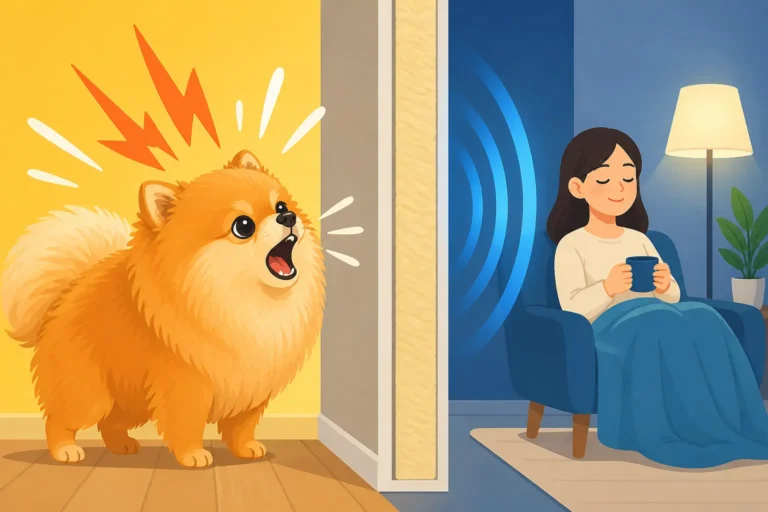
Apartment acoustics and Pomeranian barking habits explain how sound travels through walls and why small dogs make loud noises.

Pomeranian barking when left alone stems from Spitz ancestry, environmental triggers, boredom, or separation anxiety in dogs.

Ignoring a Pomeranian barking works for attention-seeking behavior, but fails when the vocalization stems from territorial instincts or anxiety.

Pomeranian mirror barking and window alerts stem from territorial instincts and unrecognized reflections, requiring environmental changes and training.

Bark collars damage a Pomeranian’s fragile trachea and delicate neck anatomy, threatening the breed’s respiratory health.

Pomeranian barking habits can be managed by teaching a quiet command and addressing root triggers like boredom or anxiety.

Pomeranian car barking stems from excitement, anxiety, motion sickness, or territorial alert behaviors during rides.
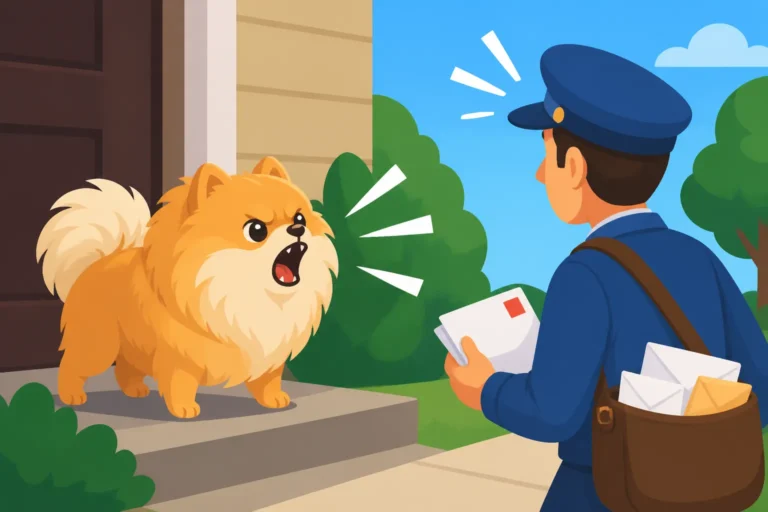
Pomeranian barking at the mail carrier stems from territorial instincts, anxiety, and learned reinforcement when the carrier leaves.

Pomeranian alert barking typically begins during the fear period between eight and twelve weeks of age as puppies gain confidence.

Pomeranian vocal habits, Spitz ancestry, and efficient lung capacity explain why these tiny dogs bark persistently to alert owners.