Why Pomeranians Are Surrendered After Two
It’s a heartbreaking scenario many of us in the Pomeranian community have witnessed: a fluffy, once-adored Pom ends up in a shelter or rescue, often around their second birthday. This guide delves into the tough realities and common reasons why some Pomeranians find themselves needing new homes after two years, offering insights into preventing such situations and understanding the breed better.
The Myth of the "Easy" Toy Breed
When people think of toy breeds, a common misconception is that they are simply "easy" pets – small, cuddly, and low-maintenance. While Pomeranians are undeniably adorable and can be wonderful companions, they are far from a "set it and forget it" kind of dog. Their small stature often masks a vibrant, intelligent, and sometimes challenging personality that owners might not be prepared for, especially as the initial puppy charm wears off.
More Than a Fluffy Lap Dog
Pomeranians descend from much larger Spitz breeds, and despite their miniaturization, they retain much of that big-dog personality. They are intelligent, often opinionated, and require mental stimulation just like any other dog. Many new owners, captivated by their fluffy appearance, assume a Pomeranian will be content to simply sit on a lap all day. While they love a good cuddle, they also thrive on short walks, puzzle toys, and learning new tricks. Without adequate mental and physical engagement, this cleverness can manifest as boredom, leading to destructive behaviors like chewing, excessive barking, or even nipping. It's a rude awakening when a two-year-old Pom, past its most charming puppy stage, starts demanding more than just pats, and an owner hasn't invested in its development.
The Barking Reality
One of the most common reasons Pomeranians are surrendered is their vocal nature. They are excellent alert dogs, and unfortunately, this often translates into barking at everything that moves – or doesn't move, but perhaps looks suspicious. The doorbell, the mail carrier, a leaf blowing by, a neighbor's distant conversation, even a reflection can set off a flurry of barks. While this might be cute or even tolerated in a tiny puppy, a two-year-old Pomeranian with an established barking habit can quickly become a nuisance, especially for apartment dwellers or those with close neighbors. Many owners don't realize that managing this behavior requires consistent training and patience from day one, and by two years old, it's a deeply ingrained habit that can be tough to break without dedicated effort. Understanding why a Pomeranian barks at everything that moves is crucial for prospective owners.
Grooming Demands Aren't Optional
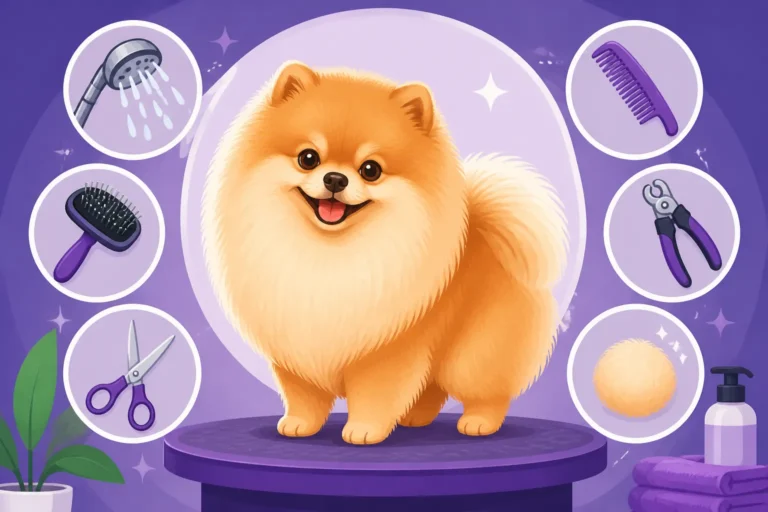
Another shock for many new Pom parents is the sheer volume of grooming required by their luscious double coat. That iconic fluffy look doesn't happen by magic. Pomeranians have a dense undercoat and longer, harsher guard hairs, designed for colder climates. This coat needs regular brushing, often several times a week, to prevent mats and tangles that can quickly become painful and lead to skin issues. Ignoring this can result in severe matting, necessitating a full shave-down at the vet, which can sometimes damage the coat permanently, as explored in articles like "Why Shaving a Pomeranian Can End Its Coat". Many owners underestimate the time, effort, and even the cost of professional grooming appointments, especially when a two-year-old Pom is fully coated and shedding its undercoat regularly. The initial excitement of a beautiful coat can wane when faced with the daily reality of maintenance.
Unforeseen Health Challenges and Costs
The small size of Pomeranians, while endearing, often comes with a unique set of health predispositions that can emerge or worsen as they mature. The financial strain of these conditions can unfortunately lead some owners to surrender their beloved pets, particularly if they weren't prepared for the potential veterinary expenses involved.
The Expensive Truth of Small Breed Ailments
Pomeranians are prone to several conditions that often don't present in early puppyhood but become apparent around the two-year mark or shortly after. Collapsing trachea, for instance, can cause a distinctive honking cough that, while sometimes present earlier, often becomes more noticeable or severe as the dog ages and stresses are placed on its respiratory system. Luxating patellas, or "slipping kneecaps," are another common issue. While a puppy might show a skip in its gait occasionally, by two years old, the condition might have progressed to a point where pain, lameness, or the need for surgery becomes evident. Both of these conditions require ongoing management, medication, and potentially costly surgical intervention. The cost of such care can be overwhelming for owners who haven't budgeted for the long-term health needs of a small breed, leading to difficult decisions. More insight can be found in "The Honking Cough of a Pomeranian's Collapsing Windpipe" and "Slipping Kneecaps in a Five Pound Pomeranian."
Dental Disease: A Silent Wallet Drainer
Perhaps one of the most insidious and overlooked health problems in Pomeranians is dental disease. Their tiny mouths are often crowded, making them highly susceptible to plaque and tartar buildup from a young age. By two years old, many Pomeranians are already developing significant dental issues, including gingivitis, periodontal disease, and even retained baby teeth that contribute to overcrowding. Left untreated, this can lead to painful infections, tooth loss, and even impact systemic health. Regular professional dental cleanings under anesthesia are essential for Pomeranians, often beginning relatively early in life. The price of these procedures, especially if extractions are needed, can easily run into hundreds or even thousands of dollars. Owners who haven't maintained a daily teeth-brushing routine or factored in annual dental costs are often blindsided by these bills, as detailed in "Dental Disease in a Mouth the Size of a Pomeranian's."
The Unexpected Vet Bills
Beyond specific breed predispositions, general veterinary care can add up quickly. A Pomeranian needs regular check-ups, vaccinations, parasite prevention, and routine maintenance that can feel expensive for such a small creature. Emergency visits, perhaps for an accidental injury, an upset stomach, or a sudden illness, can incur significant costs without warning. Many owners get a puppy and are prepared for the initial vet visits, but they might not realize the ongoing financial commitment required for a dog's entire life. This is where pet insurance, like plans offered by Healthy Paws, can become a lifesaver, helping to mitigate the financial shock of unexpected medical events. Without such a safety net, owners facing a sudden $1,000+ vet bill for a two-year-old Pom might feel they have no choice but to surrender, believing they cannot provide the necessary care.
Behavioral Issues That Escalate
The formative years of a puppy's life are crucial for developing good behavior. When training and socialization are neglected during this period, or when underlying anxieties are not addressed, behavioral issues can solidify and become significant problems by the time a Pomeranian reaches two years of age.
Untrained Puppies Become Problematic Adults
Many people adopt a Pomeranian puppy with the best intentions, but perhaps underestimate the commitment of consistent training. They might excuse nipping as "just puppy play" or tolerate accidents indoors, thinking the dog will "grow out of it." However, by two years old, a Pomeranian who hasn't been properly house-trained will still be having accidents, and one who hasn't learned bite inhibition might still be snapping when overstimulated or protective. Basic obedience, like coming when called, staying, or walking nicely on a leash, might be non-existent. When these behaviors persist, or even worsen, owners can become frustrated and overwhelmed. They might feel like they've "failed" their dog or that the dog is "untrainable," leading them to seek rehoming rather than investing in professional help. The journey of how many weeks house training a Pomeranian takes is often longer than anticipated.
Separation Anxiety: A Tiny Dog, Big Problem
Pomeranians are highly social and thrive on companionship. While this makes them wonderful lap dogs, it also means they can be particularly prone to separation anxiety if not taught independence from a young age. Owners might initially indulge a puppy, rarely leaving it alone, or even carrying it everywhere, unknowingly fostering an over-reliance on human presence. Then, around two years, as life changes (perhaps a return to the office, a new relationship, or travel), the dog suddenly has to cope with being left alone for extended periods. The result can be destructive chewing, incessant barking, inappropriate urination/defecation, or even self-harm due to stress. These behaviors are incredibly challenging for owners to manage and can quickly fray the bond, leading to the difficult decision to surrender a dog whose needs they feel they can no longer meet. Addressing signs a Pomeranian has separation anxiety early is vital.
Resource Guarding and Nipping
Some Pomeranians, due to genetics, lack of early socialization, or inconsistent training, can develop resource guarding behaviors. This means they become possessive over their food, toys, bed, or even their human. A two-year-old Pom might growl if someone approaches its food bowl, snap if a child tries to take a toy, or even nip at an owner trying to move it from the couch. Similarly, while puppy nipping is normal, if it's not redirected and managed, it can escalate into a more serious biting problem as an adult, especially if the dog feels threatened or uncomfortable. These behaviors can make living with the dog stressful and even dangerous, particularly in homes with children or other pets. Owners who don't understand how to address these issues, or who feel unsafe, may unfortunately choose to surrender their Pomeranian rather than seek behavior modification.
Lifestyle Changes and Misconceptions
Life rarely stays static, and what might have been a perfect environment for a Pomeranian puppy can shift dramatically by the time they are two years old. These lifestyle changes, coupled with prior misconceptions about the breed, frequently contribute to a Pomeranian being surrendered.
The End of the "Puppy Phase"
Many people fall in love with the idea of a tiny, fluffy puppy. They envision endless cuddles and playful antics, but they often don't fully prepare for the adult dog that puppy will become. By two years old, a Pomeranian has reached physical and emotional maturity. The intense cuteness of puppyhood might have faded slightly, replaced by an adult dog with a more defined personality, established habits, and a full, magnificent coat. Owners who perhaps weren't ready for the ongoing commitment of training, grooming, and managing an adult dog's energy levels might feel disillusioned. The reality of a full-grown Pomeranian, with its distinct needs and personality, can be very different from the idealized puppy, leading to a disconnect and, sadly, sometimes rehoming. The puppy uglies a Pomeranian goes through can also be a surprising transformation for new owners.
New Family Dynamics: Babies and Other Pets
One of the most common reasons cited for surrendering a dog, especially a small one, is a change in family dynamics. The arrival of a new baby, for instance, can drastically alter a household. A Pomeranian who was once the sole focus might suddenly find itself competing for attention, or being relegated to the background. Their small size, while often seen as a benefit, can become a liability around curious toddlers who may not understand how to safely interact with a dog. Many Pomeranians are not accustomed to the unpredictable movements and loud noises of children and may react with fear, growling, or snapping, particularly if they feel their space is invaded, which can be explored in "Why a Toddler Can Injure a Pomeranian by Accident." Similarly, bringing a new pet into the home – be it another dog, a cat, or even a small animal – can disrupt the existing harmony, especially if proper introductions and management aren't in place. A Pom that previously thrived might now exhibit stress, aggression, or anxiety, causing family friction and potential surrender.
Owner's Changing Circumstances
Life is unpredictable, and sometimes owners face unavoidable circumstances that make keeping their Pomeranian impossible, regardless of their love for the dog. This could include a sudden job loss that makes financial care unsustainable, a move to housing that doesn't allow pets, a significant change in work hours that means the dog is left alone for too long, or even health issues that prevent the owner from providing adequate care. While these situations are often heartbreaking for the owners, they highlight the importance of planning for the long-term commitment of pet ownership. Responsible owners facing these dilemmas will often try everything to keep their pet or ensure it goes to a loving home, but sometimes, a rescue or shelter becomes the last resort.
The Impact of Poor Breeding Practices
Not all Pomeranians are created equal. The initial choices made by a breeder, or the lack of ethical breeding practices, can profoundly affect a dog's health and temperament, with serious consequences often emerging around the two-year mark. Many owners unknowingly contribute to these problems by purchasing from irresponsible sources.
The Lure of the Cheap Puppy
It's a common trap: seeing a Pomeranian puppy advertised at a surprisingly low price, often hundreds or even thousands less than a well-bred counterpart. These "bargain" puppies are typically from backyard breeders or puppy mills who prioritize profit over health, temperament, and ethical breeding standards. They often skip crucial health screenings for the parent dogs, house their animals in poor conditions, and fail to provide early socialization for the puppies. While the low upfront cost is attractive, it almost always translates into significant future expenses and heartache. By two years old, these Poms are more likely to develop serious, genetically linked health issues or behavioral problems due to their upbringing, leaving unsuspecting owners with a sick or poorly adjusted dog and massive vet bills. This scenario is often explored in "The Pomeranian Advertised at Four Hundred Dollars" and "What a Backyard Bred Pomeranian Costs Later."
Genetic Predispositions and Hidden Problems
Reputable Pomeranian breeders invest heavily in health testing their breeding stock for conditions common in the breed, such as luxating patellas, collapsing trachea, eye diseases, and heart conditions. They aim to reduce the likelihood of passing on these genetic predispositions to their puppies. Irresponsible breeders, however, skip these costly tests. This means a puppy might inherit genes for these conditions, which then manifest as serious problems by the time the dog is around two years old. For example, a puppy from untested parents might develop severe patellar luxation requiring surgery, or exhibit early signs of a heart defect that was present but unnoticed. Owners, unaware of these hidden genetic time bombs, are suddenly faced with costly medical treatments that could have been largely avoided through responsible breeding.
Understanding the "Teacup" Trap
The term "teacup Pomeranian" is a marketing gimmick, not a recognized size variety. It refers to abnormally small Poms, often bred by intentionally breeding runts or undersized dogs. While the allure of an even tinier, forever-puppy-like dog is strong, the health costs are severe. These dogs are at a significantly higher risk for myriad health problems, many of which become critical as they mature. This includes hydrocephalus, severe hypoglycemia, fragile bones, organ failure, and extreme dental issues. By two years old, a "teacup" Pomeranian might be experiencing chronic health crises that require constant, specialized veterinary care, becoming a profound financial and emotional burden on their owners. The true cost of breeding Pomeranians under three pounds is far more than just the purchase price.
Seeking Solutions and Support
While the reasons for Pomeranian surrender are complex and varied, many can be mitigated or prevented with knowledge, proactive care, and access to the right resources. Understanding these avenues can make a world of difference for both dogs and their families.
Early Intervention and Training Resources
The best defense against behavioral issues leading to surrender is early and consistent training and socialization. Enrolling a Pomeranian puppy in classes as soon as they are old enough, even virtual ones, can lay a strong foundation for good behavior. Addressing issues like barking or house training early on is much easier than trying to correct deeply ingrained habits in a two-year-old. If problems arise, don't wait. Consult a certified professional dog trainer or a veterinary behaviorist immediately. Many issues can be resolved or managed with the right guidance, which can be an investment well worth it to keep a beloved pet in its home. There are great resources available for teaching a Pomeranian its name and basic manners.
Financial Planning for Pet Ownership
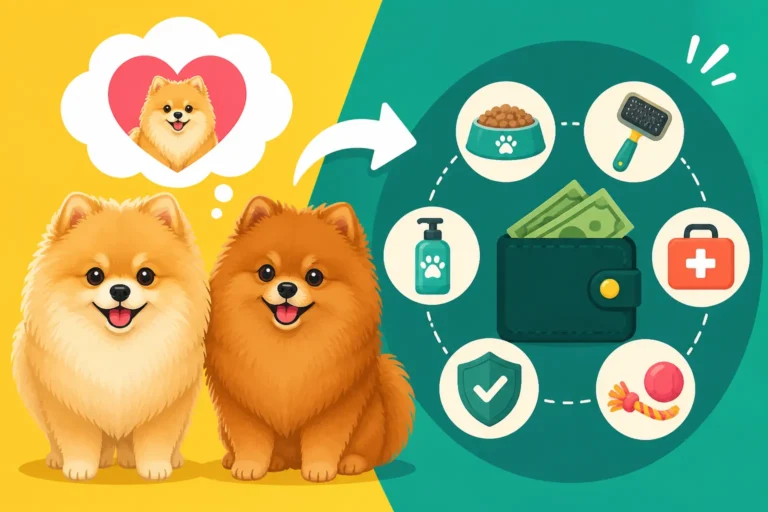
Owning a Pomeranian is a significant financial commitment, from daily food to unexpected vet bills. Prospective owners should budget for everything: high-quality small breed food (brands like Chewy or Ollie offer a variety of options for discerning palates), grooming supplies or professional grooming, training classes, and, critically, veterinary care. Setting up a dedicated savings account for pet emergencies or investing in pet insurance from providers like Healthy Paws can provide a crucial safety net when unexpected health issues, such as a collapsing trachea or luxating patellas, arise. Understanding the total eighteen thousand dollar lifetime of a Pomeranian can help set realistic expectations and prevent financial strain from leading to surrender.
| Reason for Surrender (Common at ~2 Years) | Proactive Solution | Potential Cost Investment |
|---|---|---|
| Excessive Barking | Consistent training, desensitization, management of triggers | Moderate (trainer fees) |
| Grooming Neglect/Matting | Regular brushing, professional grooming budget | Moderate to High |
| Dental Disease | Daily brushing, annual professional cleanings, appropriate chews | High (dental procedures) |
| Luxating Patellas/Tracheal Collapse | Health-tested parents, pet insurance, prompt vet care | Very High (surgery, meds) |
| Lack of House Training | Consistent potty breaks, crate training, reward-based methods | Low to Moderate |
| Separation Anxiety | Gradual independence training, enrichment, professional behaviorist | Moderate (trainer, aids) |
| Resource Guarding/Nipping | Early socialization, consistent positive reinforcement, professional help | Moderate (behaviorist) |
| Unforeseen Lifestyle Changes | Financial planning, contingency plans, support networks | Variable |
| Poor Breeding Health/Temperament | Research reputable breeders, ask for health clearances | Higher initial puppy cost |
Responsible Rehoming Options
If, despite all efforts, an owner truly cannot keep their Pomeranian, the goal should always be to ensure the dog finds a safe, loving new home. This is where responsible rehoming comes into play. Instead of posting online or giving the dog away for free, which can expose the pet to dangerous situations, reach out to breed-specific Pomeranian rescues. These organizations are dedicated to finding appropriate homes, carefully vetting potential adopters, and providing necessary medical care or rehabilitation. Many will also offer support and guidance to owners struggling with difficult decisions. Breed clubs and reputable breeders often have networks for rehoming Poms as well. While surrendering a pet is always heartbreaking, doing it responsibly ensures the best possible outcome for the dog.
Disclaimer
This article is for general informational purposes only and does not constitute professional advice. Laws, prices and regulations vary by location and change over time. Consult a qualified professional for guidance on your specific situation.