Whether Britain Calls the Pomeranian a German Spitz
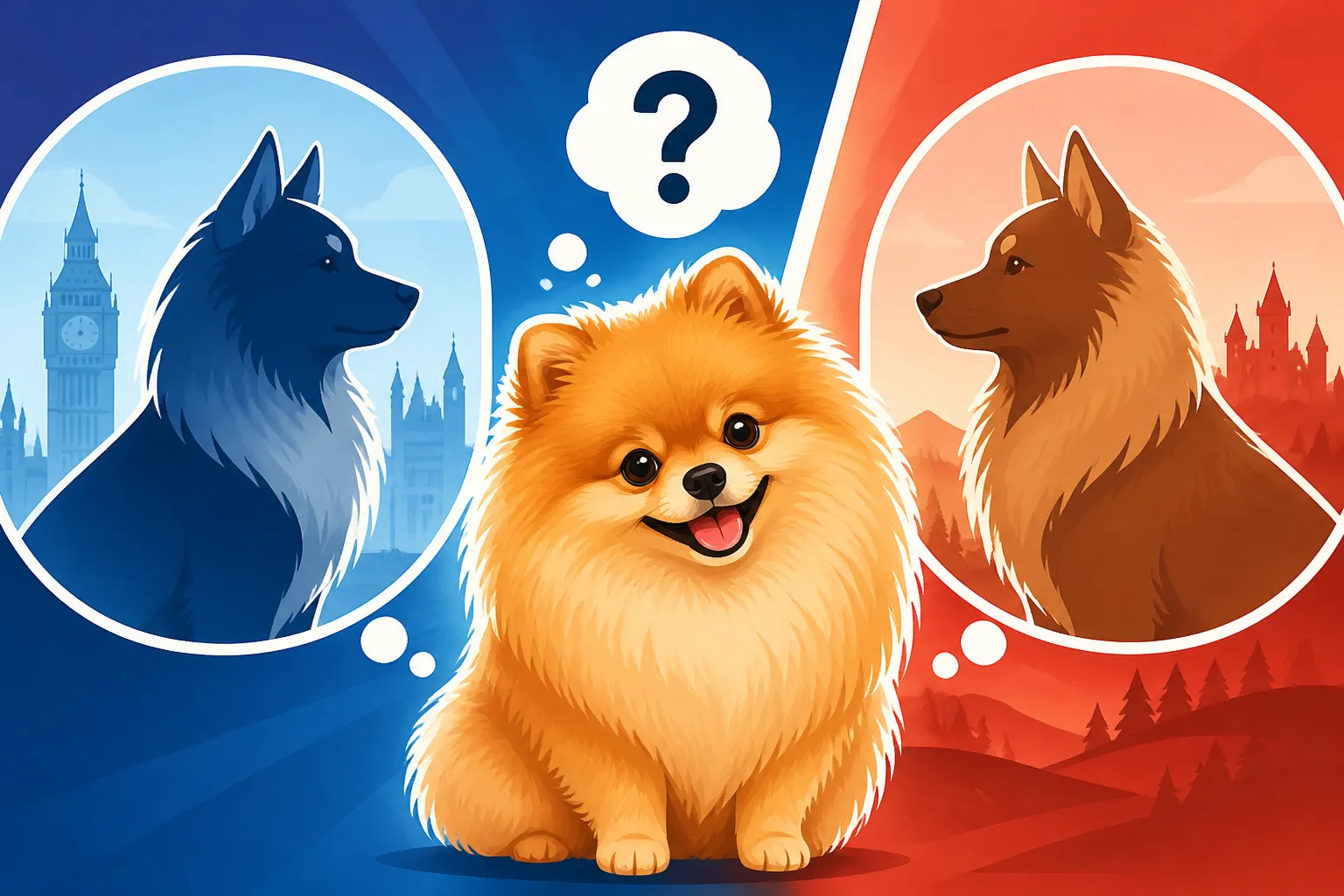
It’s a common point of confusion for Pomeranian enthusiasts, especially when you're delving into pedigrees or chatting with fellow owners from different corners of the globe: does Britain truly call our beloved Pomeranian a German Spitz? This guide will dive deep into the fascinating history and kennel club distinctions that lead to this very specific question, helping you understand the nuances of breed naming conventions and what it means for your furry family member.
The Historical Roots of the Pomeranian's Name
The journey of our modern Pomeranian, with its fluffy double coat and foxy face, is one steeped in European history and aristocratic patronage. Its very name, "Pomeranian," gives a nod to its origins, and understanding this geographical and historical context is key to grasping the later naming conventions.
From Pomerania to the World Stage
The Pomeranian breed derives its name from Pomerania, a historical region now split between modern-day Germany and Poland. This area, nestled along the Baltic Sea, was where these larger, robust Spitz-type dogs were first bred down from their sled-pulling and herding ancestors. These original Pomeranians were considerably larger than the dainty companions we know today, often weighing 20-30 pounds. They were working dogs, valued for guarding homes and livestock, a stark contrast to their current status as beloved lap dogs.
Over centuries, as dog breeding became more refined and selective, particularly in the 18th and 19th centuries, the desire for smaller, more companionable dogs grew. Breeders in Pomerania and surrounding regions began to selectively breed for smaller sizes, eventually paving the way for the toy breed we recognize. This geographical link is undeniable, giving the breed its enduring name, even as it spread far beyond its initial homeland. You might find it interesting to explore Where Pomerania Sits and Why the Breed Is Named for It to get a clearer picture of its historical map.
Queen Victoria's Influence and Breed Specialization
The Pomeranian's ascent to international fame, and ultimately its consolidation as a distinct breed with its own specific name, owes much to royal endorsement. Queen Victoria of England, captivated by the breed during a visit to Italy, brought several Pomeranians back to England. Her favorites were notably smaller than the typical Pomeranians of her era. Her passion for these smaller dogs significantly influenced breeders, encouraging them to focus on developing the miniature size and abundant coat that became the hallmark of the breed.
This royal patronage in Britain led to intense specialization and refinement within the UK. The British breeders, working with these smaller examples, solidified the "Pomeranian" as a distinct breed separate from its larger German Spitz relatives. This period marked a pivotal divergence in how the breed was perceived and classified across different regions, setting the stage for the distinct naming conventions we see today. The story of Queen Victoria, Marco and the Pomeranian really highlights this critical turning point in the breed's history.
Kennel Club Classifications: UK vs. FCI vs. AKC
The core of the "Pomeranian vs. German Spitz" debate lies in how different national and international kennel clubs classify the breed. Each organization has its own history, traditions, and standards, which dictate the names and categories dogs fall into.
The UK Kennel Club's Official Stance
In the United Kingdom, the Kennel Club (KC) officially recognizes the "Pomeranian" as its own distinct breed, classified within the Toy Group. For them, a Pomeranian is a Pomeranian – a small, fluffy companion dog with specific characteristics refined over generations in Britain. They do not classify the Pomeranian as a variety of German Spitz. While they acknowledge the Pomeranian's heritage from the larger German Spitz types, the historical separation and specialized breeding in the UK have led them to maintain its independent status.
This means that if you're looking at a dog registered with the UK Kennel Club, it will be listed simply as a Pomeranian. There's no "German Spitz (Pomeranian type)" or similar nomenclature. This straightforward classification is a direct result of the breed's development and popularity within the British Isles.
The Federation Cynologique Internationale FCI Perspective
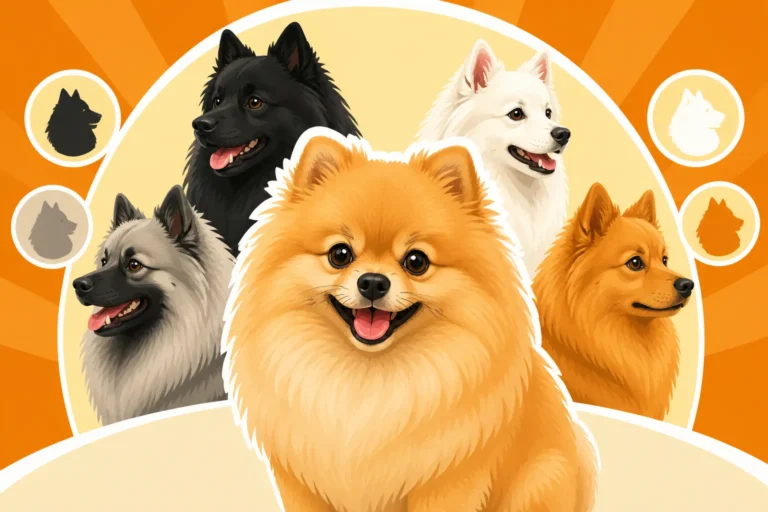
The Federation Cynologique Internationale (FCI) is the largest international canine organization, representing many European, Asian, African, and South American countries. The FCI has a very different approach. They classify the Pomeranian as the smallest variety of the "German Spitz." Under the FCI system, the German Spitz breed has several size varieties, from the large Keeshond and Giant Spitz down to the tiny Dwarf Spitz, which is what we commonly refer to as the Pomeranian.
So, for a breeder or owner in a country aligned with the FCI, their "Pomeranian" is officially known as a "German Spitz (Dwarf)." This is a key distinction and often the source of confusion for those accustomed to the UK or North American classifications. The FCI's system emphasizes the shared ancestry and morphological characteristics across the different Spitz sizes, viewing them as variations of the same fundamental breed. This is also why you might come across discussions like Why the FCI Files the Pomeranian as a German Spitz.
The American Kennel Club's Distinct Approach
Much like the UK Kennel Club, the American Kennel Club (AKC) in the United States recognizes the "Pomeranian" as a standalone breed within its Toy Group. The AKC does not use the "German Spitz" classification for the Pomeranian. For an American owner, a Pom is just a Pom, without any direct familial link to a broader German Spitz category within their registry.
This aligns more closely with the British perspective, likely due to the historical ties and the influence of British breeding lines on the development of the Pomeranian in North America. While other German Spitz varieties like the Keeshond and American Eskimo Dog (which also has German Spitz roots) are recognized by the AKC, they are treated as entirely separate breeds, not as varieties of a single "German Spitz" entity that includes the Pomeranian. For instance, you might wonder Whether an American and European Pomeranian Differ, and these classification differences are a big part of it.
Why the Name Difference Matters to Owners
While it might seem like a mere semantic distinction, the way a breed is named and classified by major kennel clubs can have real-world implications for owners, especially those interested in showing, breeding, or even just understanding their dog's lineage.
Navigating Pedigrees and Registrations
If you're buying a Pomeranian, especially from an international breeder or if you're looking into importing a dog, these classification differences become incredibly important. A dog registered as a "German Spitz (Dwarf)" in an FCI-affiliated country might need specific steps or paperwork to be recognized and registered as a "Pomeranian" by the UK Kennel Club or the AKC. This isn't usually a deal-breaker, but it requires careful attention to detail and understanding the specific requirements of each registry. For example, some kennel clubs might require additional steps to verify a foreign pedigree, ensuring that the dog meets their specific breed standard despite the different naming convention. Getting your dog registered correctly is essential if you plan to participate in events or if you ever consider breeding.
Understanding Breed Standards Across Regions
Even though they share a common ancestor, the precise breed standard for a Pomeranian can have subtle differences between the UK Kennel Club, the AKC, and the FCI's German Spitz (Dwarf) standard. These differences might pertain to ideal size, ear set, coat texture, or even acceptable colors. While the overall look and temperament are largely consistent, a dog that might excel in a British show ring might have a slight variation that makes it less competitive under an FCI judge, and vice-versa.
For example, the acceptable weight range might vary slightly, or there could be different emphasis on certain features like head shape or tail carriage. These details matter deeply to breeders and exhibitors, but even pet owners can benefit from understanding the standard their dog's lineage was bred to. Resources like Chewy often have detailed breed guides that highlight these finer points, helping you appreciate the specific characteristics of your Pom. If you're wondering about The Weight the Pomeranian Standard Requires, these differences become very relevant.
Impact on Breeding and Showing
For those involved in the fancy, these naming and classification differences have tangible impacts. A breeder in the UK or the US operates under a single, specific Pomeranian standard. Their breeding choices are guided by that singular vision of the breed. In contrast, a breeder in an FCI country might consider their "German Spitz (Dwarf)" in relation to the broader German Spitz family, potentially influencing their breeding decisions, though typically they would still specialize in the Dwarf variety.
Showing dogs also changes. A dog shown as a "Pomeranian" in the UK would be competing against other Pomeranians, judged solely on that breed's specific standard. The same dog, if shown in an FCI country, would be entered as a "German Spitz (Dwarf)" and judged against the FCI's German Spitz (Dwarf) standard. This isn't about one being "right" and the other "wrong," but simply different organizational structures and historical perspectives on breed development. Knowing these details can clarify conversations at dog shows or when discussing potential breeding lines with international contacts.
Here's a quick overview of how these major kennel clubs classify our beloved fluffy friends:
| Kennel Club | Breed Name for Pomeranian | Group/Classification | Notes |
|---|---|---|---|
| The Kennel Club (UK) | Pomeranian | Toy Group | Recognized as a distinct breed. |
| American Kennel Club (AKC) | Pomeranian | Toy Group | Recognized as a distinct breed. |
| Federation Cynologique Internationale (FCI) | German Spitz (Dwarf) | Group 5 (Spitz and Primitive Types), Section 4 (European Spitz) | Smallest variety of the German Spitz. |
The Shared Heritage: What Unites All Pomeranians/German Spitz
Despite the official naming differences, it’s crucial to remember that at their heart, all these dogs, whether called a Pomeranian or a German Spitz (Dwarf), share the same vibrant spirit and rich heritage. The underlying dog is fundamentally the same, embodying the characteristics that make the Spitz family so captivating.
Common Characteristics of the Spitz Family
The Pomeranian, regardless of its official designation, is undeniably a member of the ancient Spitz family of dogs. This family is characterized by specific traits: a dense double coat, pricked ears, a wedge-shaped head, and a tail carried up and over the back. These are not merely superficial traits but reflect a common ancestry and purpose. Members of the German Spitz family, including the varieties recognized by the FCI, share these fundamental features, differing primarily in size and color.
The lively, intelligent, and often vocal nature of the Pomeranian is also a hallmark of the Spitz group. These dogs are known for their alertness and often make excellent watchdogs, a trait passed down from their larger, guarding ancestors. Whether it's a small Pomeranian in London or a German Spitz (Dwarf) in Berlin, they will likely share these core behavioral and physical attributes. Understanding The German Spitz Family a Pomeranian Belongs To gives you a deeper appreciation for this shared lineage.
The Enduring Pomeranian Spirit
Ultimately, what truly matters to most owners is the individual dog's personality and health, not its specific kennel club nomenclature. The Pomeranian's joyful, curious, and often sassy spirit shines through regardless of what registry it hails from. These dogs are cherished for their big personalities in small packages, their fierce loyalty, and their endless capacity for love.
Whether you're calling your dog a Pomeranian, a Dwarf Spitz, or simply "Pom," the bond you share is universal. The important thing is to celebrate the unique qualities of this wonderful breed, to provide them with excellent care, nutrition (you can find great breed-specific food and toys at Chewy), and plenty of love. These naming conventions are fascinating historical and organizational quirks, but they don't change the heart of the dog that sits at your feet, demanding attention. The breed's journey from a working dog in Pomerania to a cherished companion globally is a testament to its enduring appeal and adaptability.
Disclaimer
This article is for general informational purposes only and does not constitute professional advice. Laws, prices and regulations vary by location and change over time. Consult a qualified professional for guidance on your specific situation.